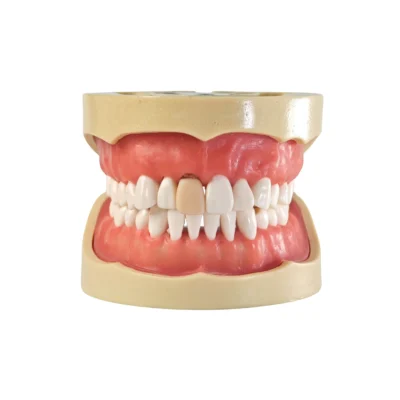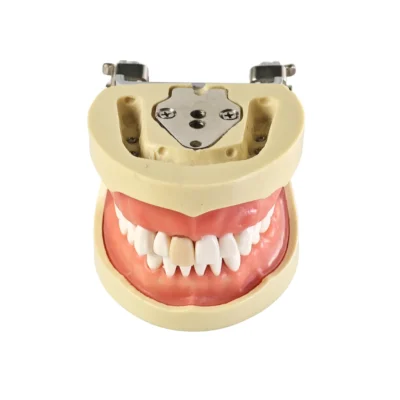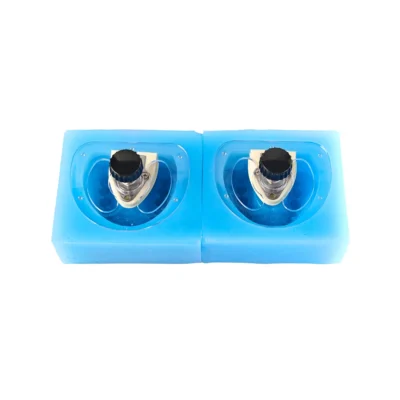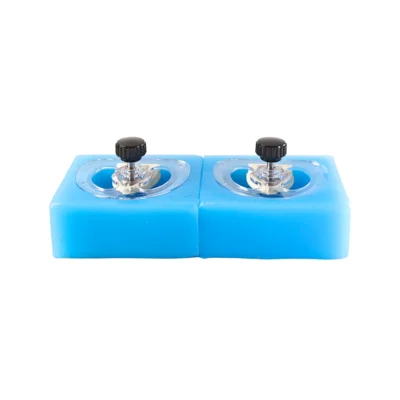
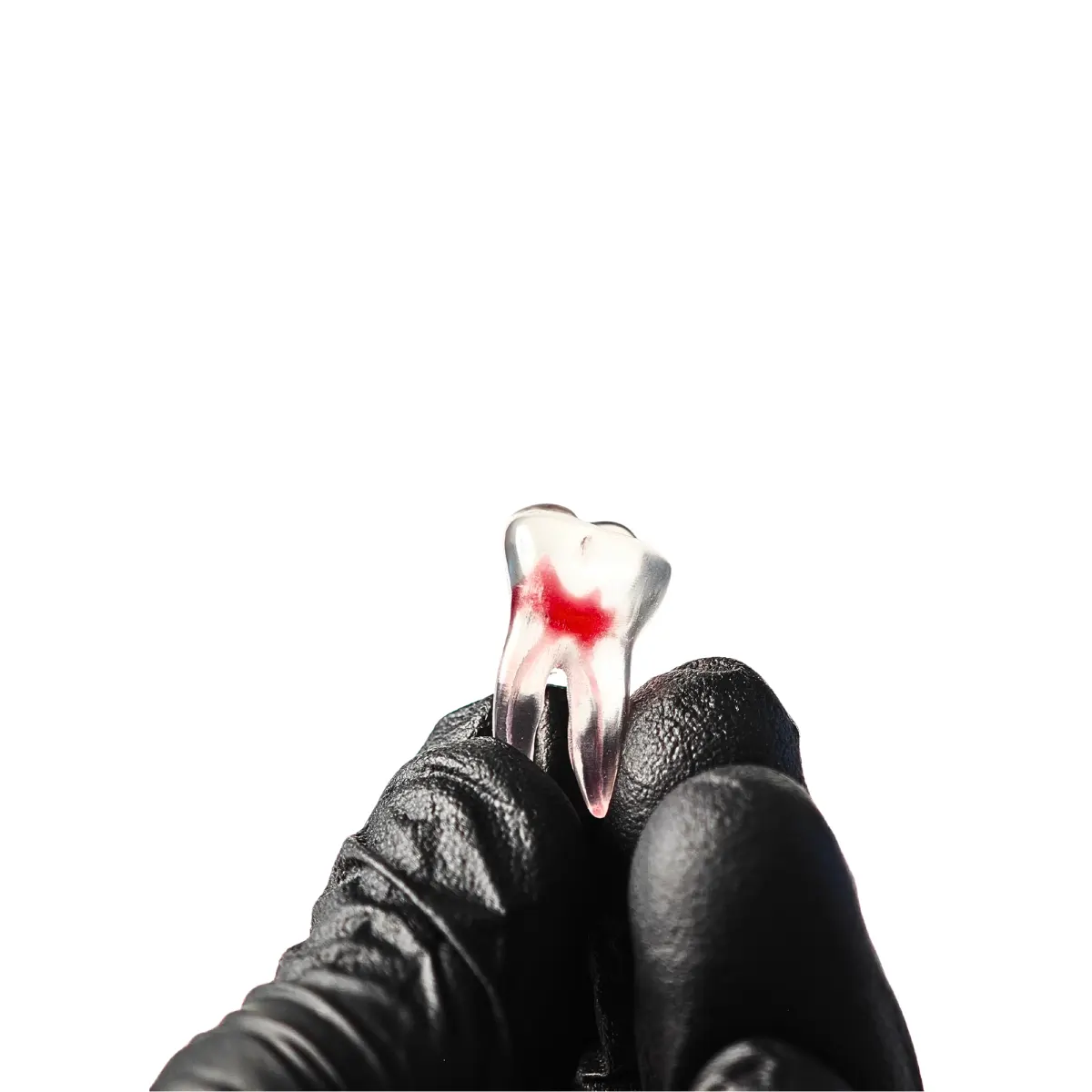
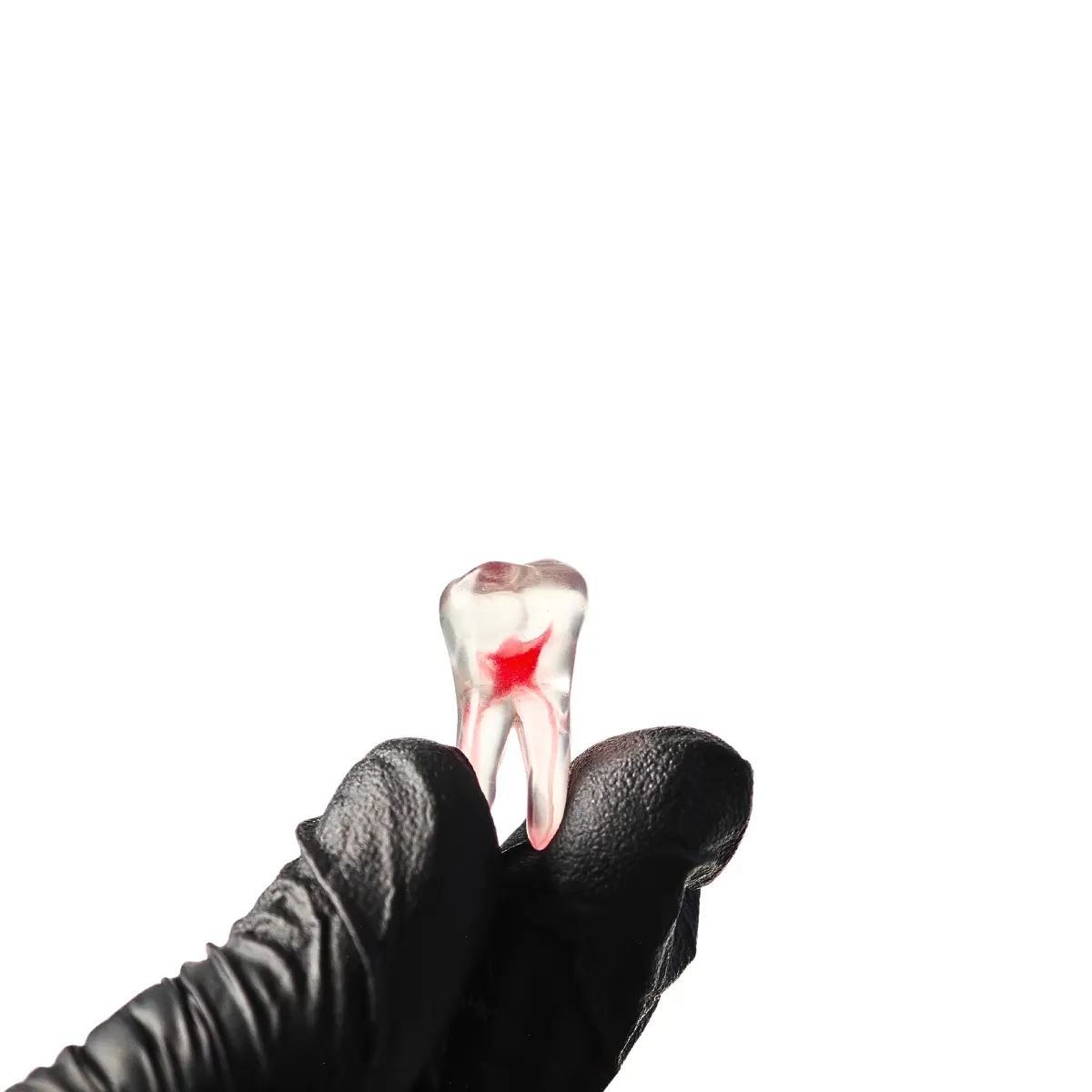
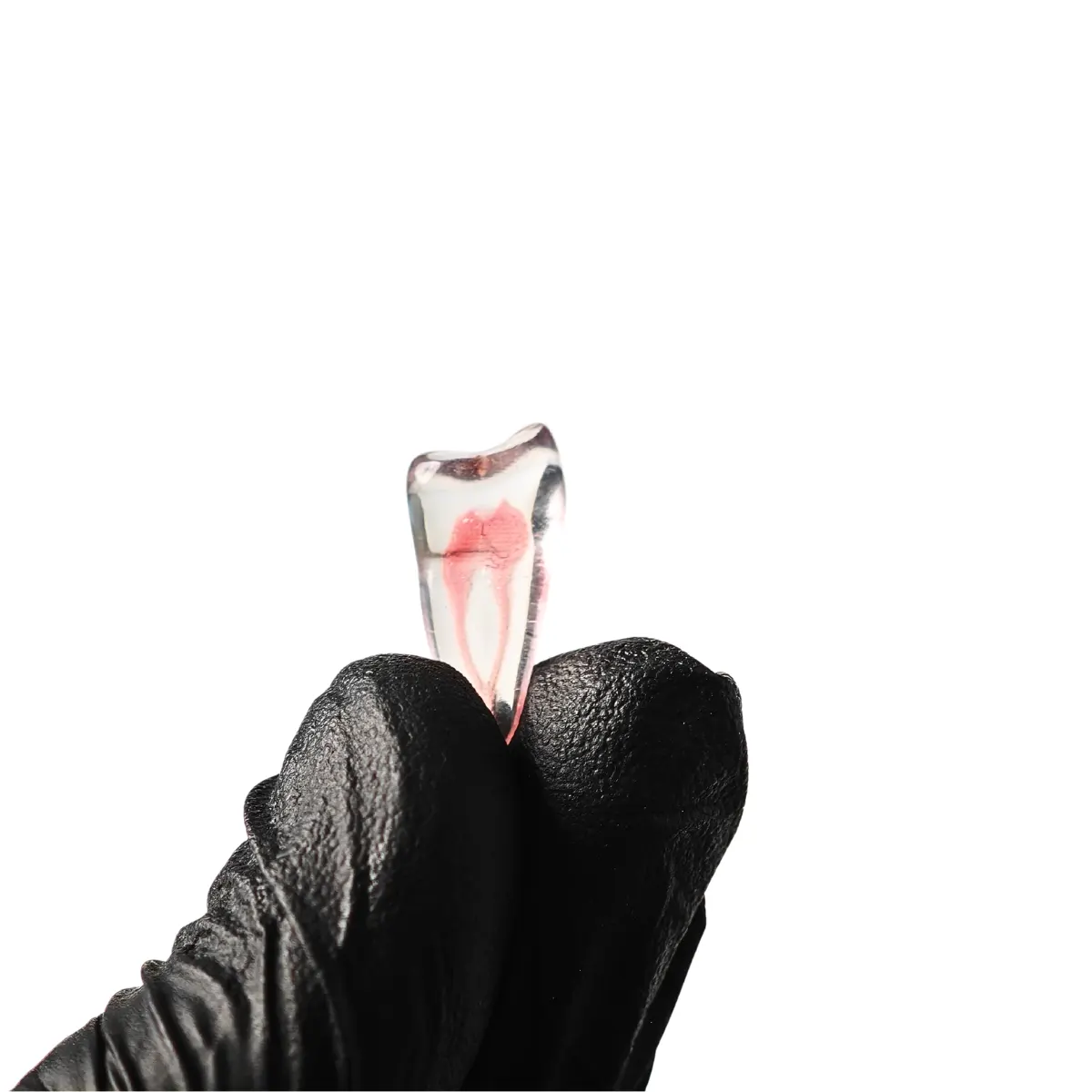
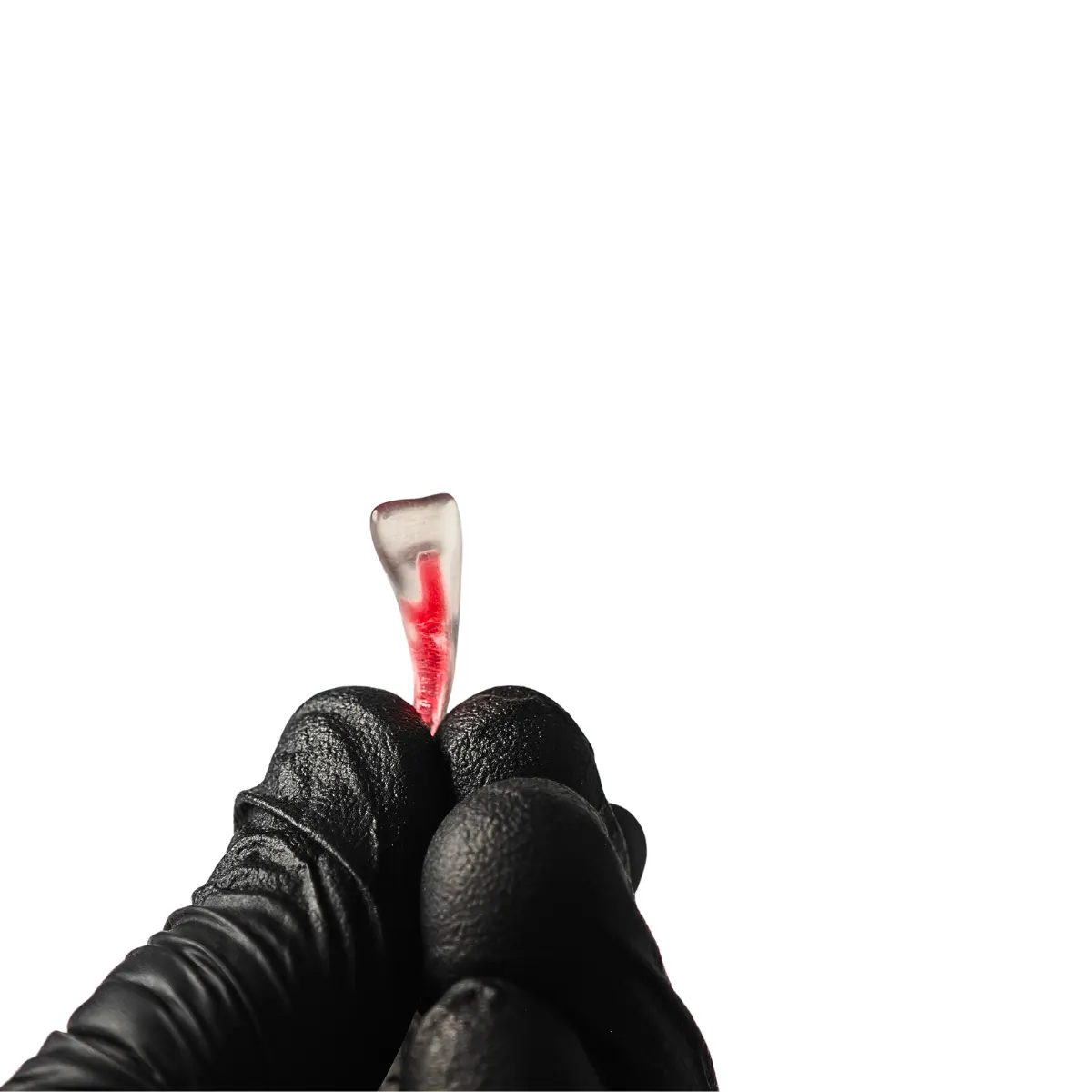
Evodent Cavity Preparation Practice Teeth, Natural Tooth Simulation, Pack of 4
Original price was: ₹6,000.00 INR.₹3,495.00 INRCurrent price is: ₹3,495.00 INR.
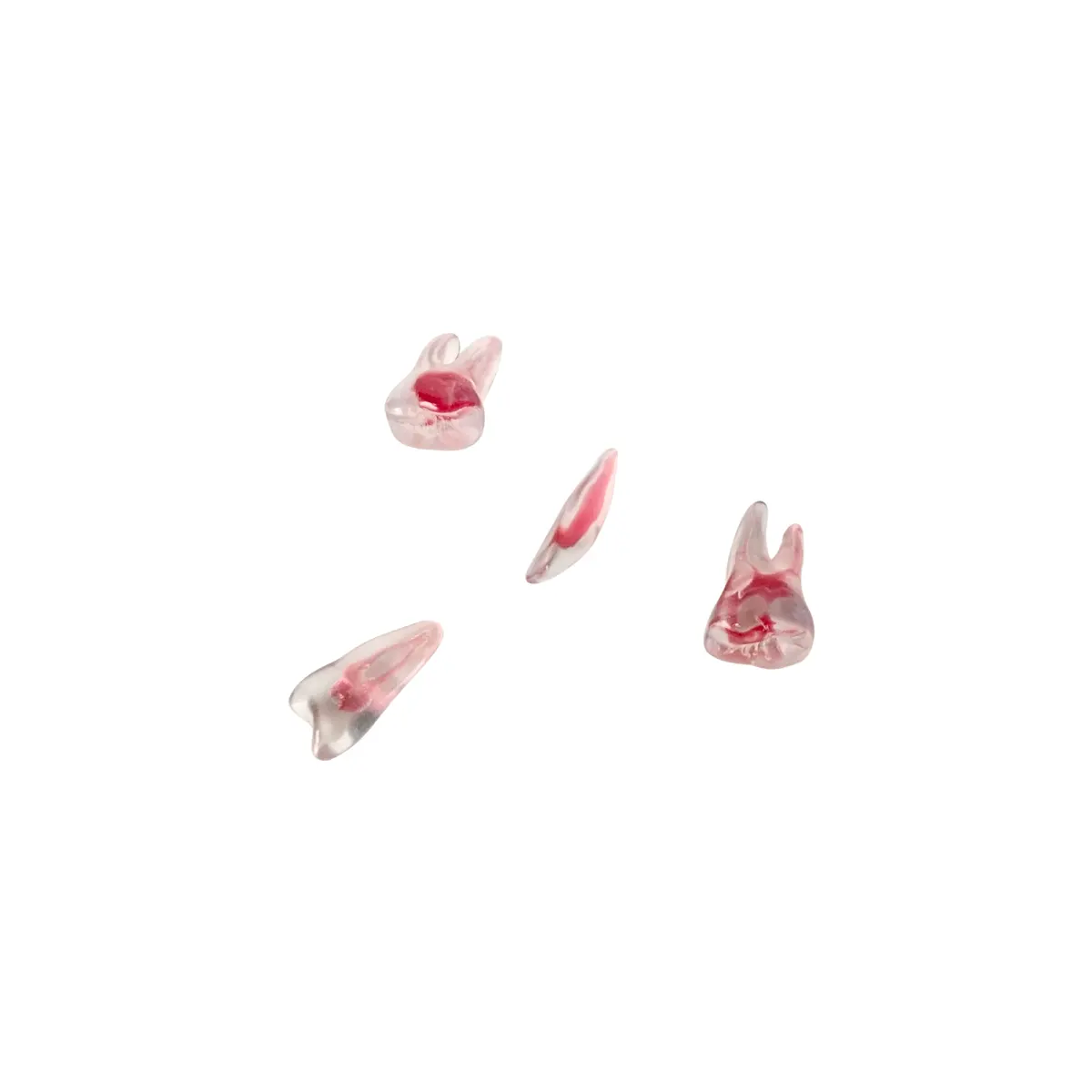
Cavity preparation practice teeth with natural-style root forms, anatomical pulp cavities and differentiated enamel-dentin cutting feel. Pack of 4 for pre-clinical dental training.
Shipping & Benefits
- International shipping available
- Tracking details shared by email
- Trusted by dental professionals worldwide
Description
The Evodent Cavity Preparation Practice Teeth are designed for pre-clinical operative and conservative dentistry training. Each tooth combines a natural-style crown and root form with an anatomical pulp cavity and a noticeable difference in cutting feel between the simulated enamel and dentin areas.
For students learning cavity preparation, this provides more useful feedback than a uniform plastic tooth. As the preparation moves from the outer surface into the deeper tooth structure, the cutting response changes, helping the student relate bur control and preparation depth to the internal anatomy of the tooth.
The pack contains 4 practice teeth in different tooth forms and can be used for cavity cutting, tooth preparation, access cavity exercises, handpiece control and faculty demonstrations.
What Are Cavity Preparation Practice Teeth?
Cavity preparation practice teeth are simulation teeth used to help dental students learn how to cut, shape and prepare a tooth before working on natural teeth or more advanced simulation models.
These Evodent practice teeth are designed with two features that make them especially useful for training:
- An anatomical pulp cavity inside the tooth
- Different cutting feel between the simulated enamel and dentin areas
The teeth are training models, so they should not be expected to reproduce every property of natural enamel and dentin. Their purpose is to give students a clearer tactile and anatomical reference while practicing.
What Can Students Practice?
The teeth can be used for a range of pre-clinical exercises depending on the selected tooth form, bur and teaching protocol.
- Cavity preparation and cavity cutting
- Operative dentistry exercises
- Conservative dentistry practice
- Outline form and preparation design
- Depth control during cutting
- Bur and handpiece control
- Understanding the transition from enamel to dentin
- Access cavity preparation
- Pulp chamber awareness
- Faculty demonstrations and practical classes
The exact preparation should follow the exercise and clinical principles being taught by the instructor.
Why Does the Enamel and Dentin Cutting Feel Matter?
One of the main challenges for students is learning how preparation changes as a bur passes through different tooth structures.
In a uniform plastic tooth, the cutting response may feel similar from the outer surface to the center. These natural tooth simulation teeth are designed to give a different cutting response in the simulated enamel and dentin areas.
This helps students pay attention to:
- How much tooth structure has been removed
- Changes in bur resistance while cutting
- Preparation depth
- Hand pressure and control
- When the preparation is approaching the pulp cavity
The aim is not to claim that the material feels identical to a natural tooth. It is designed to provide a more informative cutting experience than a single uniform material.
Anatomical Pulp Cavity for Better Training
Each practice tooth contains an internal anatomical pulp cavity rather than being completely solid. This allows students to connect the external crown form with the internal pulp space while preparing the tooth.
The anatomical pulp cavity is useful for:
- Understanding preparation depth
- Recognising the relationship between dentin and the pulp space
- Demonstrating the risk of over-preparation
- Basic access cavity exercises
- Teaching crown-to-pulp anatomy
Natural-Style Root Forms and Different Tooth Shapes
The pack contains 4 teeth with different natural-style forms. This allows students to practice on more than one crown and root configuration rather than using the same tooth shape for every exercise.
Different tooth forms also make it easier for instructors to demonstrate how access direction, preparation shape and internal anatomy can vary from one tooth type to another.
How to Use the Practice Teeth for Cavity Preparation
- Select the tooth form required for the exercise.
- Review the intended cavity or preparation design before cutting.
- Mark the outline if this forms part of the exercise.
- Use the bur and handpiece specified by the instructor.
- Begin the preparation through the simulated enamel area.
- Observe the change in cutting feel as the preparation enters simulated dentin.
- Control the depth while keeping the position of the pulp cavity in mind.
- Complete the cavity or access preparation according to the teaching objective.
- Inspect the final outline, depth, wall form and relationship to the pulp space.
- Compare the result with the instructor’s reference or preparation guidelines.
These teeth are designed for educational practice, so the cutting method should follow the bur selection, handpiece settings and preparation protocol used in the course or department.
Useful for Cavity Preparation and Access Cavity Training
The teeth are primarily useful for cavity preparation and operative dentistry practice, but the internal pulp cavity also makes them suitable for basic access cavity training.
For cavity preparation, students can focus on outline form, depth, bur control and the change in cutting feel between the simulated enamel and dentin.
For access cavity exercises, the tooth can help demonstrate how the external crown relates to the internal pulp chamber. For complete root canal instrumentation and shaping, a dedicated endodontic training tooth or root canal model is more appropriate.
Who Are These Practice Teeth For?
- Dental students
- Operative dentistry departments
- Conservative dentistry departments
- Pre-clinical dental laboratories
- Dental colleges
- Faculty demonstrations
- Hands-on dental training courses
- Students practicing handpiece and cavity preparation skills
Key Features
- Pack of 4 cavity preparation practice teeth
- Natural-style crown and root forms
- Anatomical internal pulp cavity
- Differentiated cutting feel between simulated enamel and dentin
- Designed for cavity cutting and tooth preparation practice
- Useful for operative and conservative dentistry training
- Suitable for basic access cavity exercises
- Different tooth forms for varied pre-clinical practice
- Useful for student training and faculty demonstration
Technical Specifications
- Product Type: Cavity preparation and dental practice teeth
- Pack Size: 4 teeth
- Tooth Forms: Assorted natural-style crown and root forms
- Internal Anatomy: Anatomical pulp cavity
- Simulated Tooth Structure: Enamel and dentin areas with differentiated cutting feel
- Primary Application: Cavity preparation and operative dentistry training
- Additional Applications: Conservative dentistry, tooth preparation and basic access cavity practice
- Training Skills: Cavity cutting, bur control, preparation depth, handpiece control and pulp chamber awareness
- Recommended Users: Dental students, colleges, operative dentistry departments and conservative dentistry departments
- Use Environment: Pre-clinical laboratory, classroom, workshop or individual training setup
- Intended Use: Educational and pre-clinical training
FAQs
Q. What are Evodent Cavity Preparation Practice Teeth used for?
A. They are designed for pre-clinical cavity preparation, operative dentistry and conservative dentistry training. Students can practice cutting, depth control, bur handling and tooth preparation while working with an anatomical pulp cavity and differentiated enamel-dentin cutting feel.
Q. What makes these teeth different from ordinary plastic practice teeth?
A. These teeth are not made to feel uniform throughout. The simulated enamel and dentin areas provide different cutting feedback, and each tooth contains an anatomical pulp cavity. This gives the student both tactile and anatomical reference points during preparation.
Q. Can students practice cavity preparation on these teeth?
A. Yes. Cavity preparation is one of the main uses. Students can practice outline form, cutting control, preparation depth and movement from the simulated enamel into dentin according to the exercise being taught.
Q. Can these teeth be used for access cavity preparation?
A. Yes. The anatomical pulp cavity allows the teeth to be used for basic access cavity exercises and for understanding the relationship between the external crown and the internal pulp chamber.
Q. Do the teeth feel exactly like natural enamel and dentin?
A. No. They are simulation teeth, not natural teeth. The materials are designed to provide a noticeable difference in cutting feel between the simulated enamel and dentin areas so students can recognize the transition during preparation.
Q. How many practice teeth are included?
A. The pack contains 4 practice teeth in different tooth forms, giving students several preparation situations within one set.
Q. Are these suitable for operative and conservative dentistry training?
A. Yes. They are particularly useful for pre-clinical cavity preparation, tooth cutting, bur control, preparation-depth exercises and faculty demonstrations in operative and conservative dentistry.
Q. Can these teeth be used for complete root canal practice?
A. They are useful for basic endodontic access because an anatomical pulp cavity is present. For full canal negotiation, instrumentation and shaping, a dedicated root canal training tooth or endodontic model is a better choice.
You may also like…
- Sale!

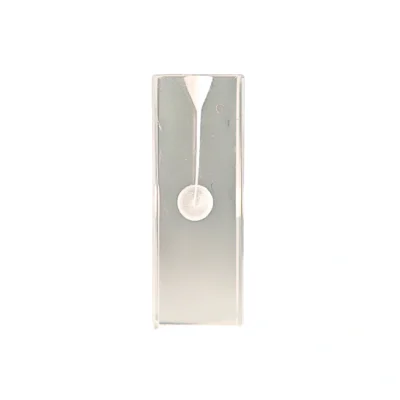
Evodent Transparent Root Canal Training Block, Endodontic Practice Model
Original price was: ₹500.00 INR.₹199.00 INRCurrent price is: ₹199.00 INR. - Sale!
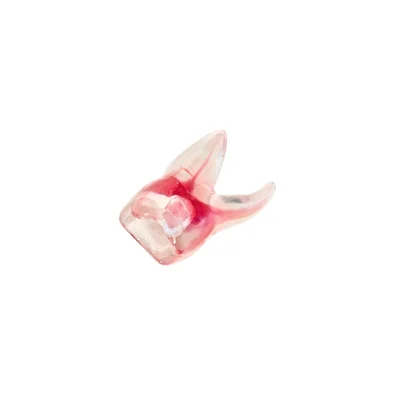
Evodent Molar Cavity Filling Practice Tooth, Pulp Chamber Training Model
Original price was: ₹1,500.00 INR.₹995.00 INRCurrent price is: ₹995.00 INR. - Sale!
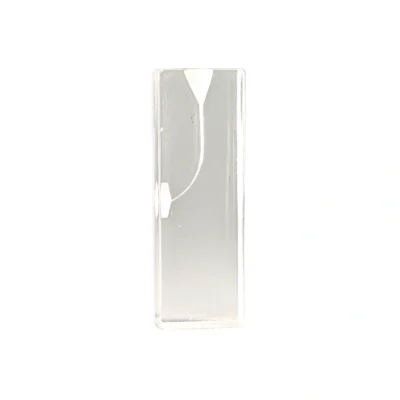
Evodent Broken File Retrieval Training Block, Endodontic Practice Model
Original price was: ₹500.00 INR.₹199.00 INRCurrent price is: ₹199.00 INR. - Sale!
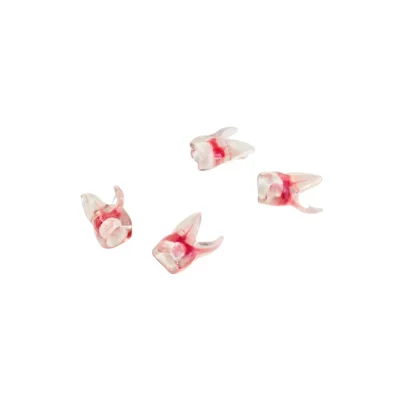
Evodent Root Canal Training Blocks with Apical Perforation Simulation, Pack of 4
Original price was: ₹500.00 INR.₹199.00 INRCurrent price is: ₹199.00 INR.
Related products
- Sale!
Evodent Signature Root Canal Model with Jaw and Removable Tooth
Original price was: ₹7,000.00 INR.₹6,490.00 INRCurrent price is: ₹6,490.00 INR. - Sale!
Evodent Edentulous Mold with Attachment, Silicone Plaster Dental Cast Mold with Phantom Head Mounting Plate
Original price was: ₹10,000.00 INR.₹3,500.00 INRCurrent price is: ₹3,500.00 INR. - Sale!
Evodent Dentulous Silicone Mold with Phantom Head Attachment, Dental Cast and Typodont Mounting Mold
Original price was: ₹8,000.00 INR.₹3,500.00 INRCurrent price is: ₹3,500.00 INR. - Sale!
Evodent Dental Phantom Head Manikin with Headrest Mount and Drainage System, Chair-Mount Dental Training Manikin for Preclinical Simulation
Original price was: ₹20,000.00 INR.₹12,995.00 INRCurrent price is: ₹12,995.00 INR.