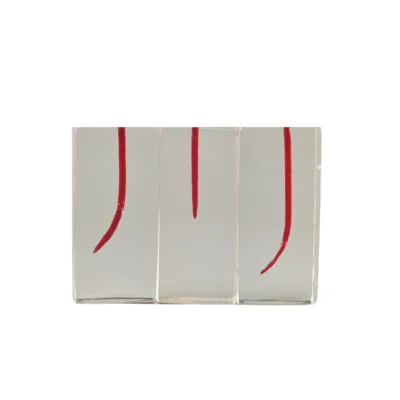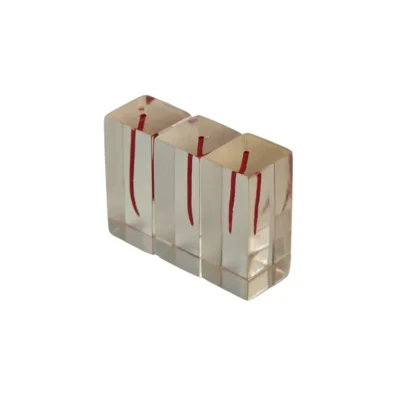
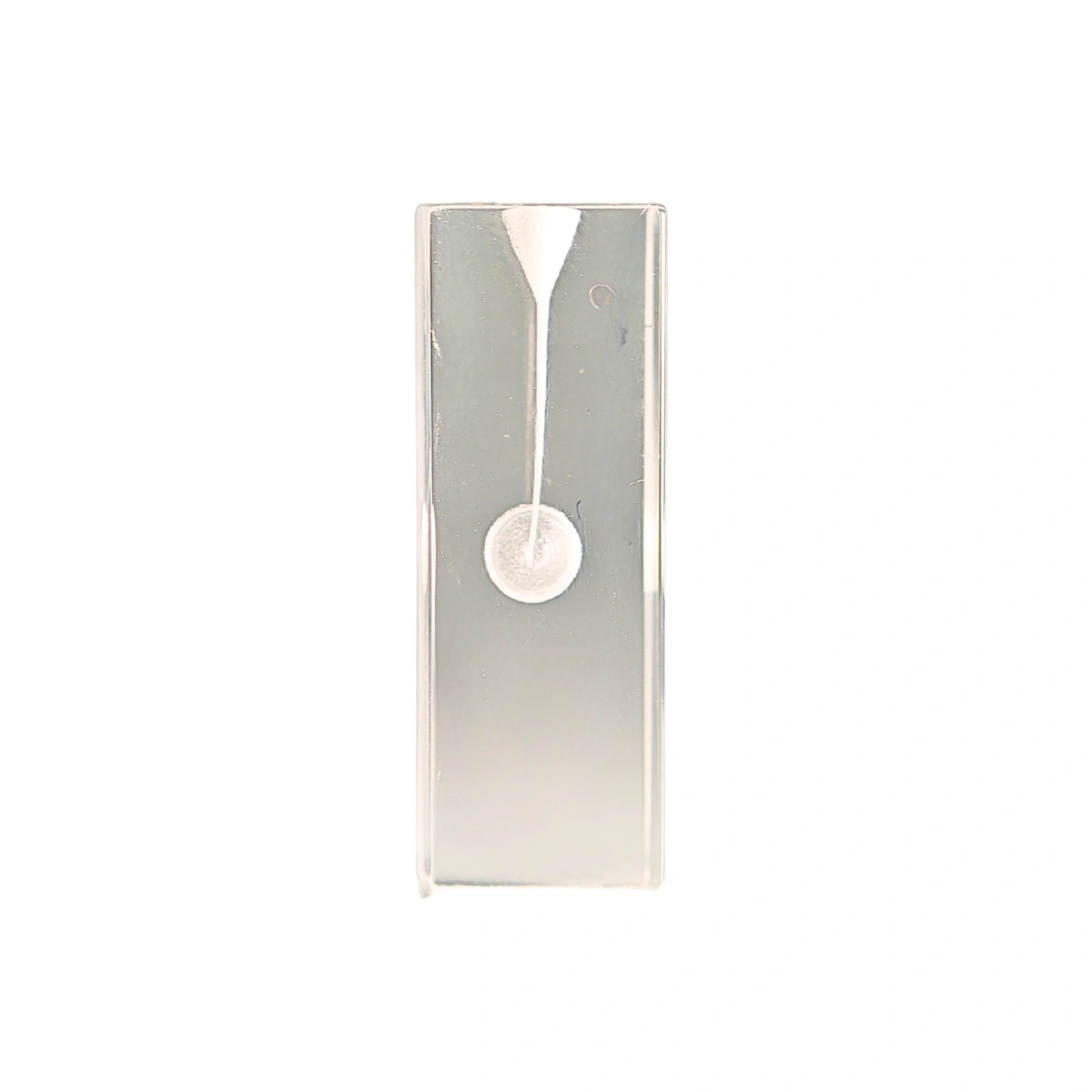
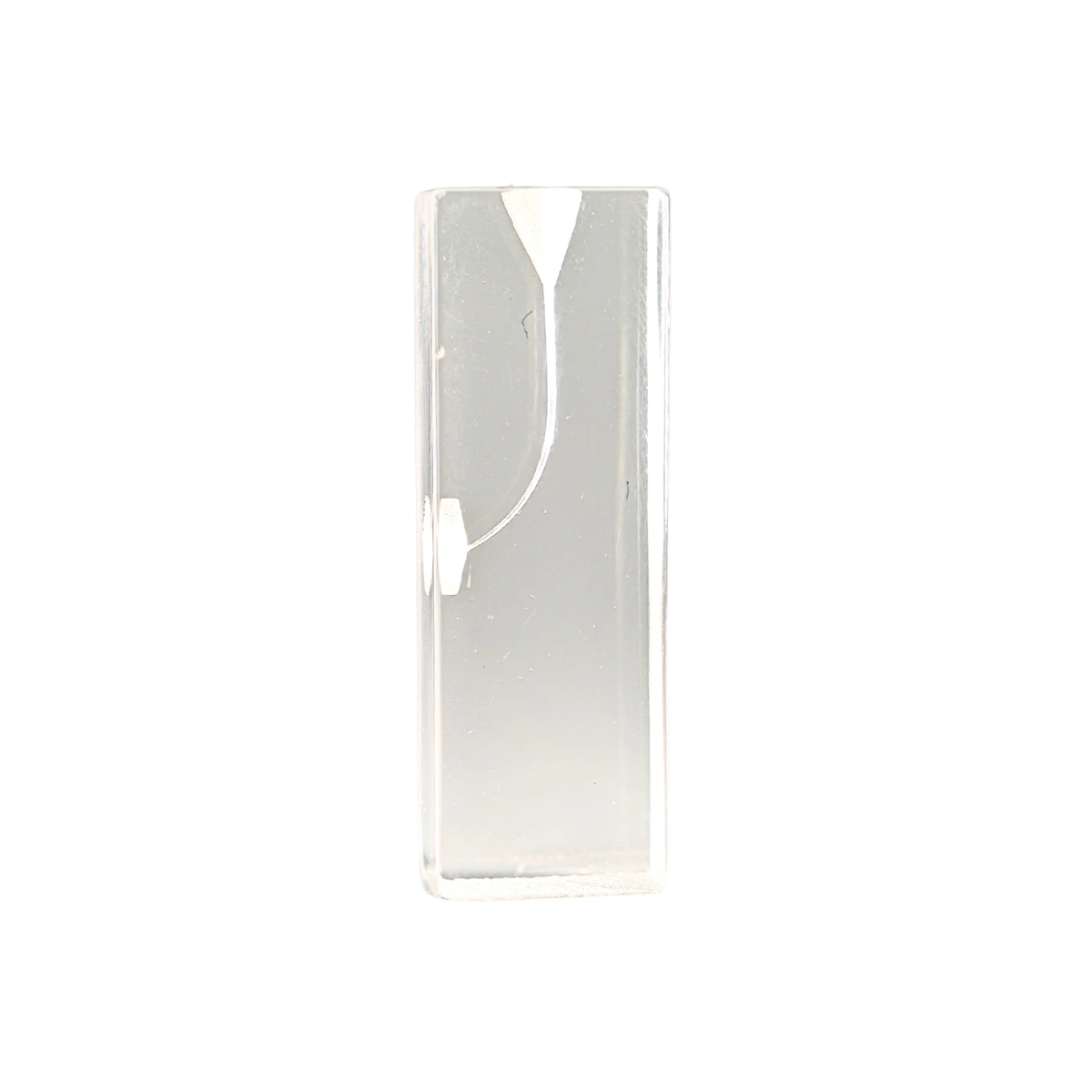
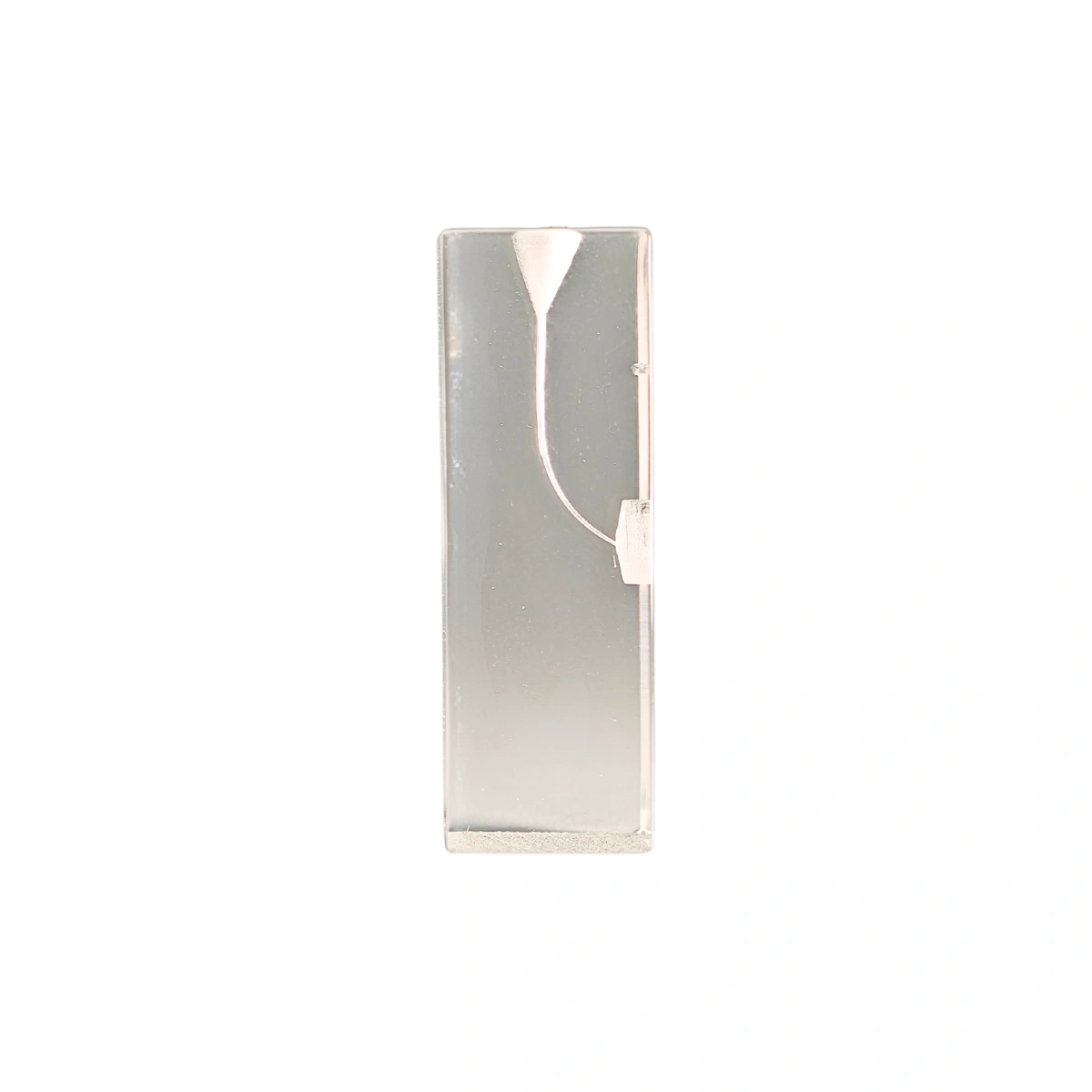
Evodent Transparent Root Canal Training Block, Endodontic Practice Model
Original price was: ₹500.00 INR.₹199.00 INRCurrent price is: ₹199.00 INR.
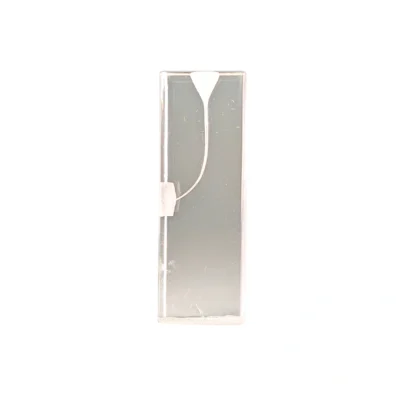
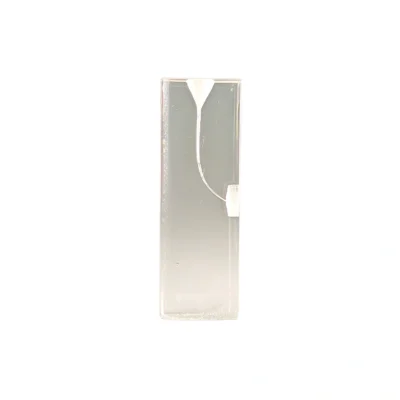
Transparent endodontic training block with a visible simulated canal pathway for pre-clinical root canal practice, instrumentation, shaping and student demonstrations.
Shipping & Benefits
- International shipping available
- Tracking details shared by email
- Trusted by dental professionals worldwide
Description
The Evodent Transparent Root Canal Training Block is a clear endodontic practice model designed for students learning the basic steps of root canal treatment in a controlled pre-clinical setup.
The simulated canal is visible through the transparent block, so students and instructors can observe the path of the canal while practicing. This makes the model useful for understanding instrument direction, canal negotiation, shaping and the effect of each step before progressing to natural teeth or more complex typodont-based training.
It is a simple model, but that is exactly its advantage. Students can focus on the canal itself without the added difficulty of working through a complete tooth or dental arch.
What Is a Root Canal Training Block?
A root canal training block is a transparent practice model containing a simulated canal pathway. It is used in pre-clinical endodontic training to help students understand how instruments move through a canal and how canal preparation changes the internal pathway.
Unlike a natural tooth, the canal can be seen from outside the block. This gives students immediate visual feedback while they are learning the sequence and mechanics of endodontic instrumentation.
What Can Students Practice on This Endodontic Training Block?
The block can be used for a range of basic endodontic exercises, depending on the teaching protocol and instruments being used.
- Understanding the direction and curvature of a simulated root canal
- Initial canal negotiation
- Instrument insertion and control
- Working through a curved canal pathway
- Canal preparation and shaping exercises
- Comparing the canal before and after instrumentation
- Practicing a step-by-step endodontic sequence
- Faculty demonstrations of file movement inside a canal
- Pre-clinical hand file and rotary instrumentation exercises where appropriate
The exact procedure should follow the file system, instrumentation sequence and teaching method selected by the instructor.
Why Use a Transparent Endodontic Practice Model?
The main advantage of a transparent block is visibility. In a natural tooth, students cannot directly see what an instrument is doing inside the canal. In this model, the simulated canal pathway remains visible during the exercise.
This can help students understand:
- How an instrument follows the canal path
- Where the canal curves
- How instrument direction changes during preparation
- How the internal shape changes after instrumentation
- Why controlled movement and file selection matter
For instructors, the same visibility also makes the block useful for demonstrations because the movement of the instrument can be explained while the student can see the canal at the same time.
How to Use the Root Canal Training Block
A basic training workflow can be kept simple:
- Inspect the simulated canal pathway before beginning the exercise.
- Review the planned instrumentation sequence and the files that will be used.
- Introduce the selected instrument into the canal entrance according to the teaching protocol.
- Advance through the canal carefully while observing the instrument path through the transparent block.
- Carry out the required negotiation, preparation or shaping exercise.
- Remove the instrument and inspect the canal pathway before continuing to the next step.
- Compare the canal form after the exercise with its original shape.
- Review the result with the instructor and identify any areas where technique can be improved.
The block should be used according to the instructions for the endodontic instruments and training system being taught.
Root Canal Training Block vs Natural Tooth Practice
A transparent endodontic block and a natural tooth teach different things.
The training block is useful when the goal is to understand the mechanics of canal negotiation and shaping because the canal is visible. It removes some of the anatomical complexity and lets the student concentrate on instrument control and canal preparation.
Natural teeth provide more realistic anatomy and variation, but the internal canal is not visible during the procedure.
For many students, a transparent block is therefore a useful early step before progressing to extracted teeth, root canal typodont teeth or full dental simulation models.
Useful for Endodontic Demonstration and Student Training
The Evodent Transparent Root Canal Training Block is suitable for:
- Dental students beginning endodontic training
- Pre-clinical endodontic laboratories
- Dental colleges
- Endodontic departments
- Faculty demonstrations
- Hands-on root canal workshops
- Training with hand files or rotary systems where appropriate
- Practice before moving to more anatomically complex models
Key Features
- Transparent root canal training block
- Visible simulated canal pathway
- Designed for pre-clinical endodontic education
- Useful for canal negotiation and instrumentation exercises
- Suitable for shaping and preparation demonstrations
- Allows visual observation of instrument movement inside the canal
- Useful for student practice and faculty teaching
- Suitable as an introductory model before natural tooth or typodont training
- Compact single-canal practice format
Technical Specifications
- Product Type: Transparent endodontic training block
- Training Category: Root canal practice and pre-clinical endodontics
- Design: Clear rectangular training block
- Canal Configuration: Single visible simulated canal pathway
- Primary Training Use: Canal negotiation, instrumentation and shaping practice
- Visualization: Canal pathway visible through the block
- Suitable Instrumentation: Hand or rotary endodontic systems as permitted by the teaching protocol
- Recommended Users: Dental students, colleges, endodontic departments and training centers
- Use Environment: Pre-clinical laboratory, classroom, workshop or individual training setup
- Intended Use: Educational and training use
FAQs
Q. What is the Evodent Transparent Root Canal Training Block used for?
A. It is used for pre-clinical endodontic training. Students can practice canal negotiation, instrumentation and shaping while directly observing the simulated canal pathway through the transparent block.
Q. Why is the block transparent?
A. The clear design allows the student and instructor to see the simulated canal and the movement of instruments inside it. This makes it easier to understand canal curvature, instrument direction and changes produced during preparation.
Q. What can students practice with this endodontic block?
A. Students can use it for basic root canal exercises such as canal negotiation, file control, instrumentation, shaping and visual comparison of the canal before and after preparation. The exact exercise depends on the instrument system and teaching protocol.
Q. Can the block be used with rotary endodontic files?
A. It can be used with suitable endodontic instrumentation when that forms part of the training protocol. Students should follow the speed, torque, file sequence and handling instructions specified for the rotary system being taught.
Q. Is this better than practicing on an extracted tooth?
A. They serve different purposes. The transparent block is useful for learning the mechanics of canal negotiation and shaping because the canal remains visible. Extracted teeth provide more realistic and variable anatomy, so they are usually more appropriate at a later stage of training.
Q. Is this suitable for beginners in endodontics?
A. Yes. The visible canal pathway makes it particularly useful for students who are learning how endodontic instruments move through a canal before progressing to more complex training models.
Q. Can instructors use this block for demonstrations?
A. Yes. The transparent design makes it useful for faculty demonstrations because students can see both the canal pathway and the instrument position while the technique is being explained.
Q. Is this a tooth-shaped model?
A. No. It is a transparent training block with a simulated canal pathway. It is designed to isolate the canal-training exercise rather than reproduce the complete external anatomy of a natural tooth.
You may also like…
- Sale!

Evodent Molar Cavity Filling Practice Tooth, Pulp Chamber Training Model
Original price was: ₹1,500.00 INR.₹995.00 INRCurrent price is: ₹995.00 INR. - Sale!
Evodent Endodontic Training Model with Crown for Root Canal Practice, Tooth 21, 24 and 26
Original price was: ₹500.00 INR.₹245.00 INRCurrent price is: ₹245.00 INR. - Sale!
Evodent Cavity Preparation Practice Teeth, Natural Tooth Simulation, Pack of 4
Original price was: ₹6,000.00 INR.₹3,495.00 INRCurrent price is: ₹3,495.00 INR. - Sale!
Evodent Broken File Retrieval Training Block, Endodontic Practice Model
Original price was: ₹500.00 INR.₹199.00 INRCurrent price is: ₹199.00 INR.
Related products
- Sale!
Evodent Root Canal Curvature Training Blocks (Pack of 3) – Straight, Moderate & Severe Curved Canal Models for Endodontic Practice
Original price was: ₹2,000.00 INR.₹995.00 INRCurrent price is: ₹995.00 INR. - Sale!
Evodent FE Articulator for 200 PRO HG / SG and 200 CORE HG / SG Models
Original price was: ₹1,000.00 INR.₹495.00 INRCurrent price is: ₹495.00 INR. - Sale!
Evodent Screw Type Dental Phantom Head Manikin with Table Mount and Drain for Dental Training
Original price was: ₹15,000.00 INR.₹12,990.00 INRCurrent price is: ₹12,990.00 INR. - Sale!
Evodent 200 PRO SG TN Dental Typodont Model with Tooth Number – 32 Teeth, Soft Gingiva, Nissin 200 Compatible Training Typodont
Original price was: ₹5,000.00 INR.₹2,500.00 INRCurrent price is: ₹2,500.00 INR.