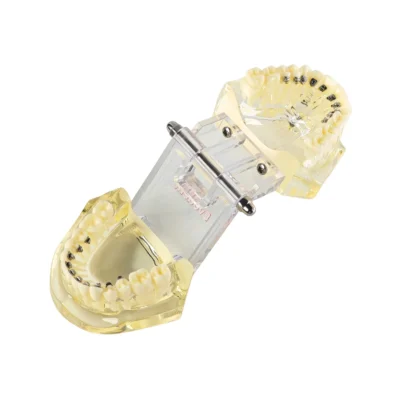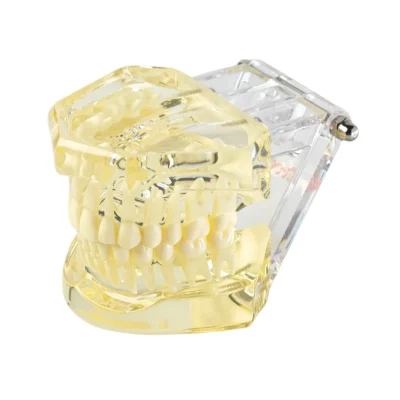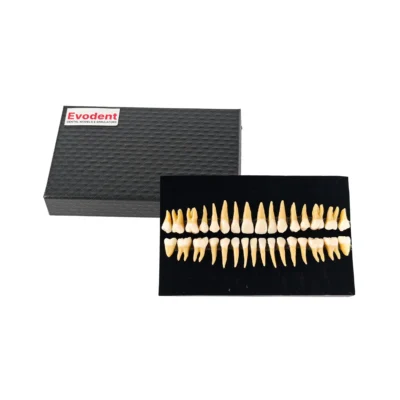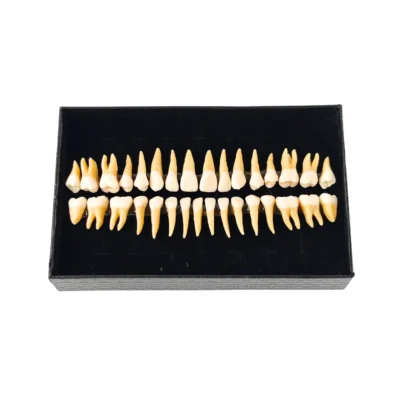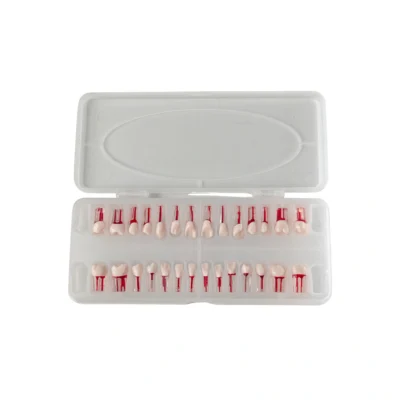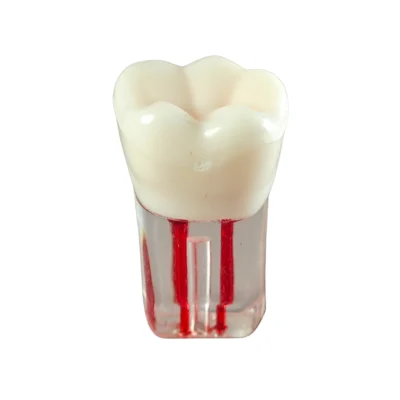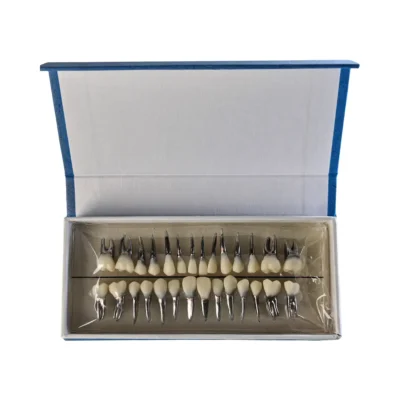
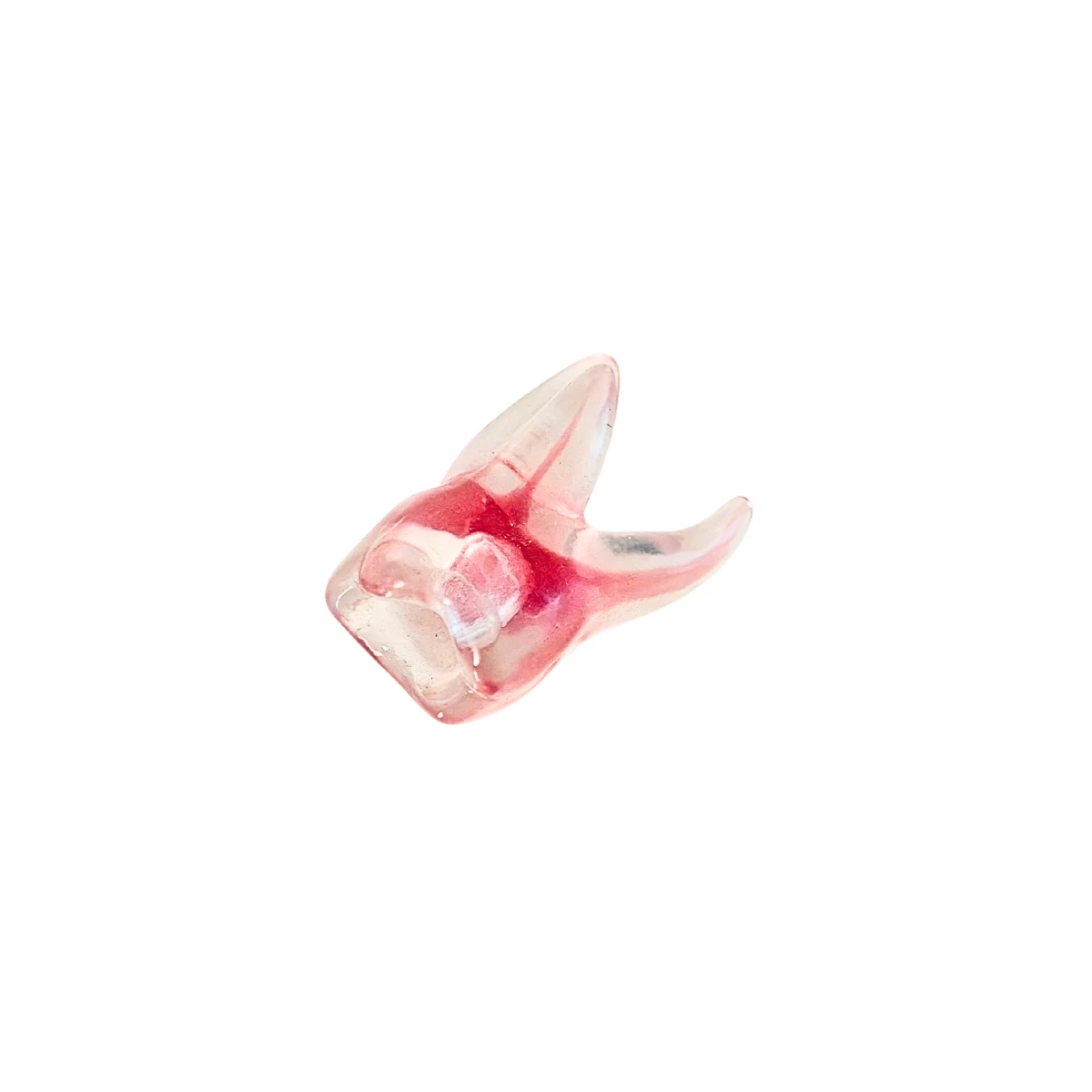
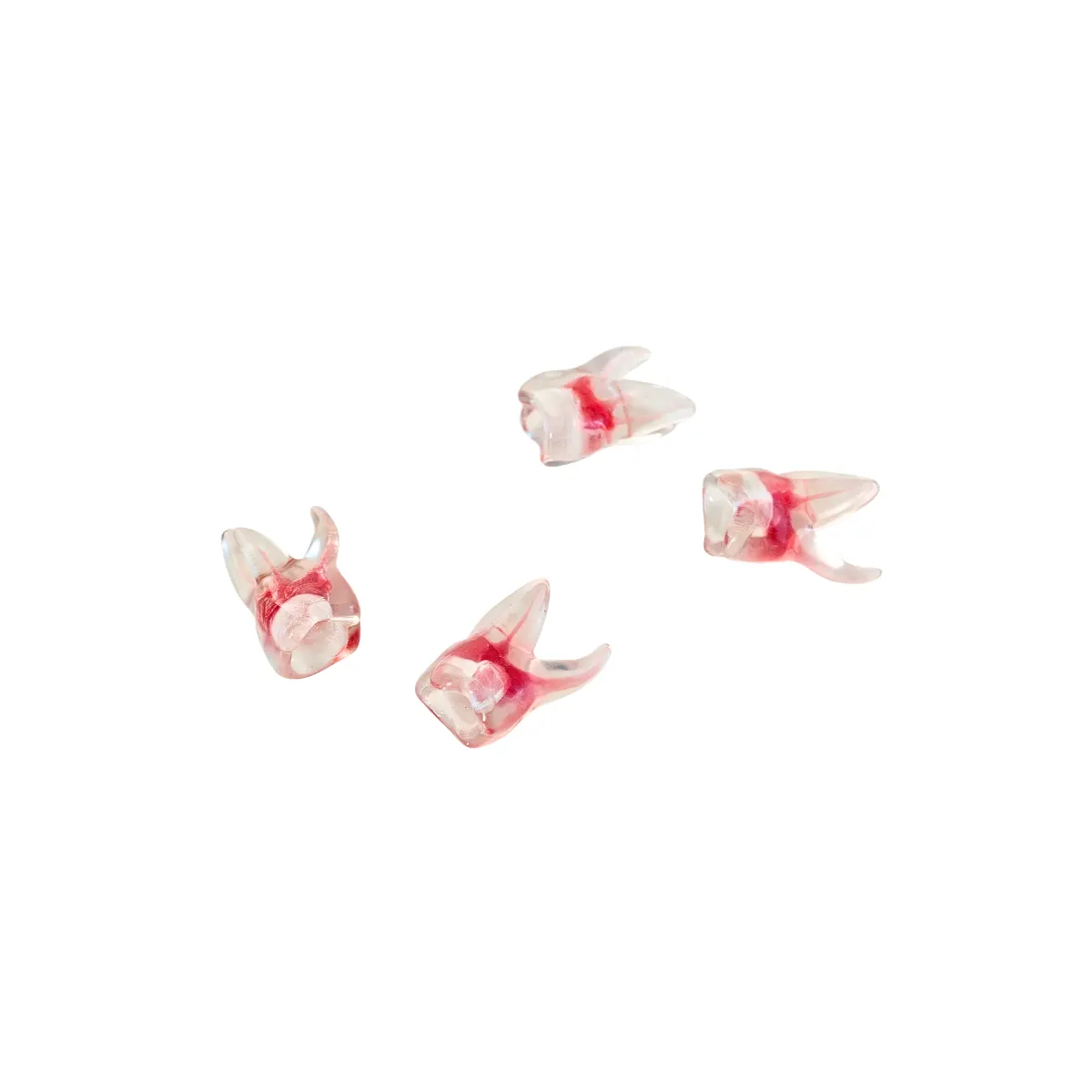
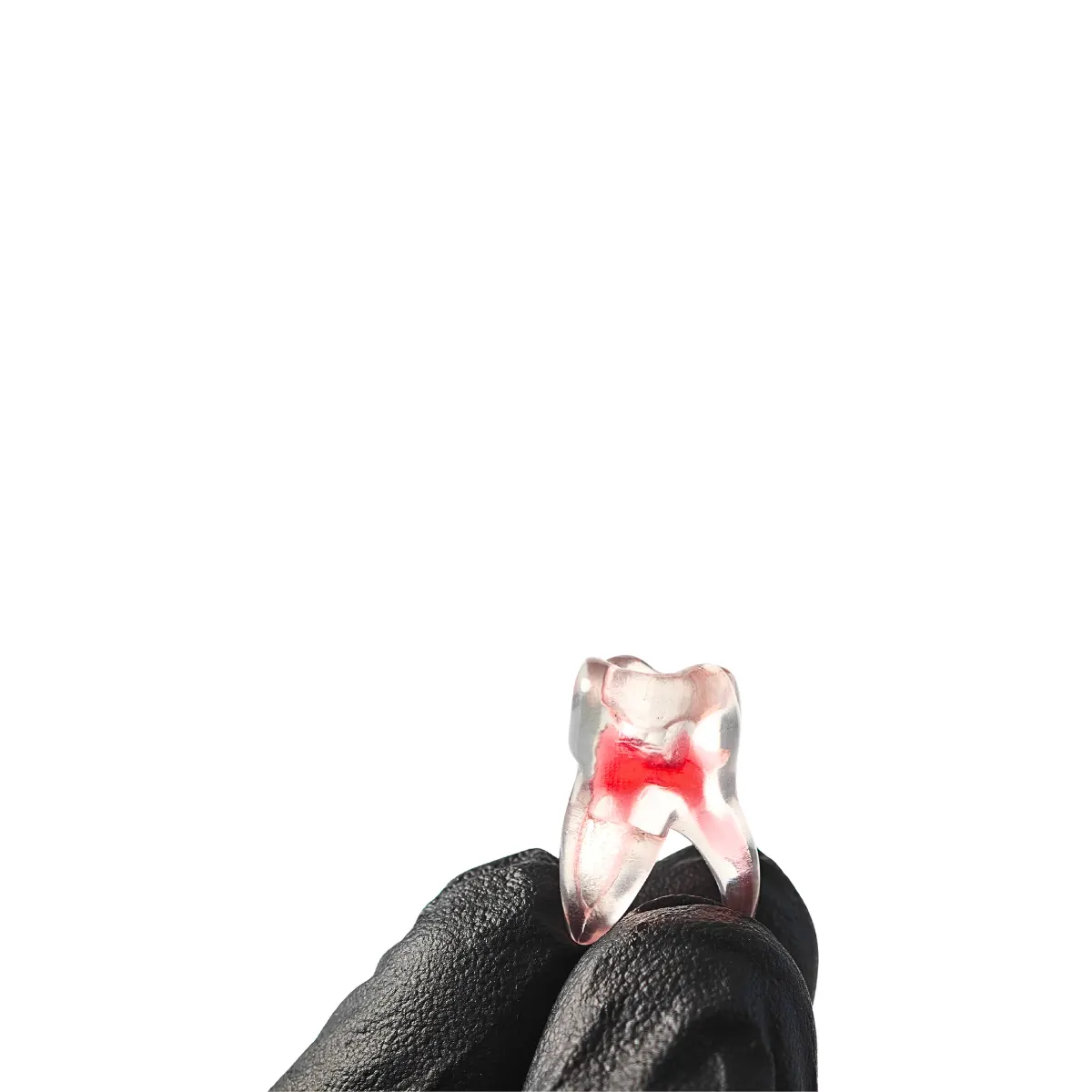
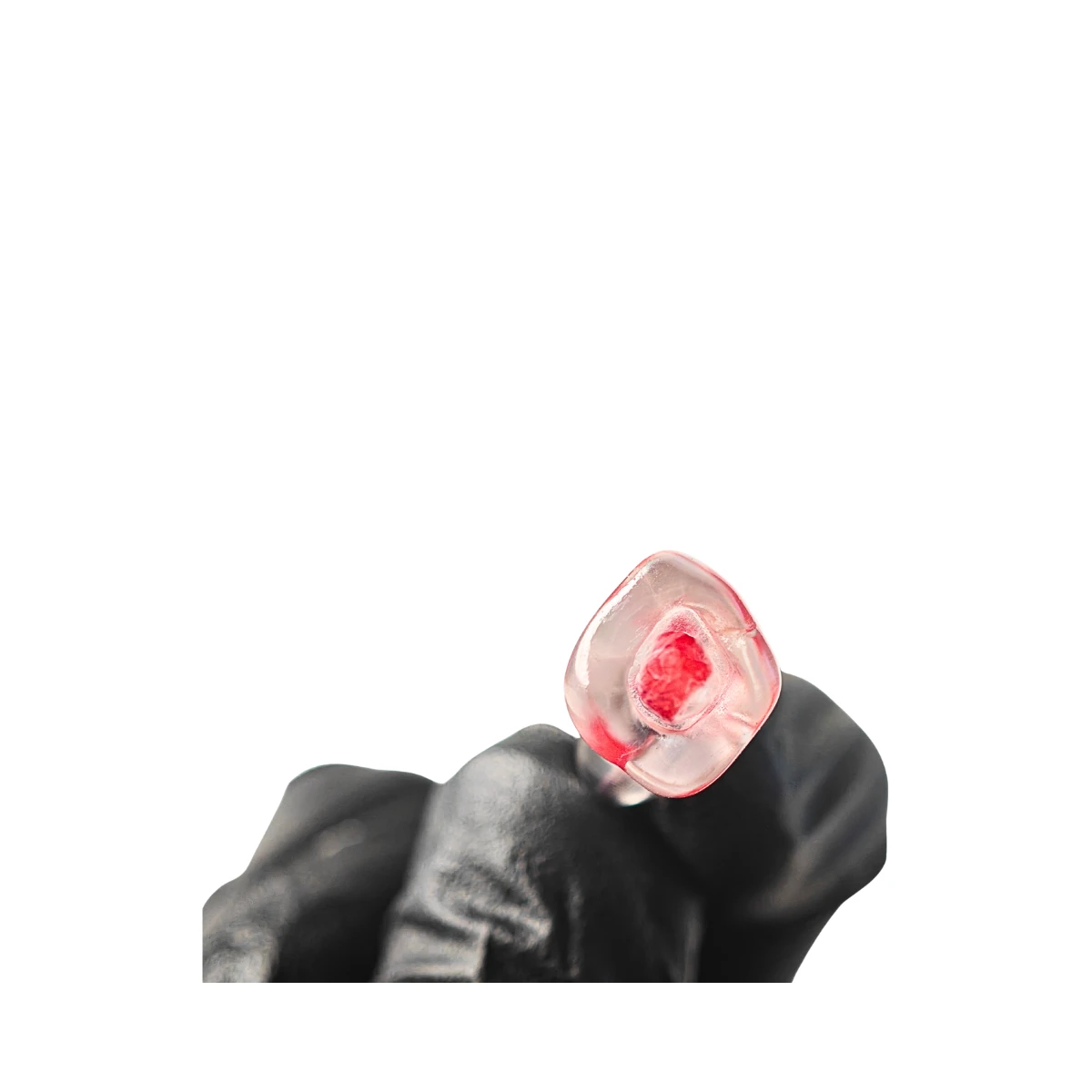
Evodent Molar Cavity Filling Practice Tooth, Pulp Chamber Training Model
Original price was: ₹1,500.00 INR.₹995.00 INRCurrent price is: ₹995.00 INR.
Molar practice tooth for cavity filling, pulp chamber exercises and pre-clinical restorative training. Designed for dental students, colleges and hands-on demonstrations.
Shipping & Benefits
- International shipping available
- Tracking details shared by email
- Trusted by dental professionals worldwide
Description
The Evodent Molar Cavity Filling Practice Tooth is a single-tooth training model for students learning cavity filling, restorative material placement and pulp chamber-related procedures in a pre-clinical setting.
Because the exercise is focused on one molar rather than a complete typodont, students can concentrate on the details that matter during a restoration: where the material is placed, how well it adapts to the cavity, how the cavity is filled and how the final restoration is shaped and reviewed.
The model is useful for operative dentistry, conservative dentistry and basic endodontic teaching. It can be used by individual students, dental colleges, pre-clinical laboratories and instructors running hands-on demonstrations.
What Is a Molar Cavity Filling Practice Tooth?
A molar cavity filling practice tooth is a dental training model used to practice restorative procedures on a posterior tooth form before working in a more complex simulation setup.
This model is intended to help students understand the working space inside a molar cavity and the relationship between the prepared cavity and the pulp chamber area. It is especially useful when the learning objective is material placement and cavity management rather than full root canal instrumentation.
In practical terms, it gives the student a dedicated tooth on which to slow down, examine each step and review the final result without the distractions of working on an entire dental arch.
What Can Students Practice?
The exact exercise depends on the material and protocol chosen by the instructor, but the model can be used for:
- Cavity filling practice
- Restorative material placement
- Adapting material to internal cavity walls and the floor
- Incremental placement techniques where appropriate
- Contouring and shaping the final restoration
- Finishing practice where included in the exercise
- Pulp chamber demonstrations
- Basic access cavity exercises
- Understanding cavity depth and internal coronal space
- Faculty demonstrations in operative and conservative dentistry
This makes the tooth useful for students who want a focused restorative dentistry practice model rather than a general demonstration tooth.
Why Practice on a Molar Tooth?
Molar restorations give students a useful introduction to working inside a larger posterior crown with a more substantial occlusal surface and internal cavity space. During practice, students can pay attention to:
- How the material is carried into the cavity
- Whether material reaches the required areas
- How well it adapts to the cavity walls
- How much material is placed at each stage
- How the occlusal form is rebuilt or contoured
- Whether the final fill contains obvious voids or poorly adapted areas
The single-tooth format is particularly useful when an instructor wants students to focus on technique before moving to a typodont, phantom head or more complete simulation exercise.
How to Use the Molar Cavity Filling Practice Tooth
A simple training sequence can be used for most cavity filling exercises:
- Inspect the cavity and identify the areas that need to be filled.
- Review the objective of the exercise before placing any material.
- Select and prepare the restorative or training material specified by the instructor.
- Introduce the material into the cavity using the placement technique being taught.
- Adapt the material carefully to the internal walls and floor where required.
- Continue filling the cavity according to the selected technique.
- Shape or contour the material to reproduce the intended molar form.
- Finish the restoration if finishing is included in the exercise.
- Inspect the completed work for adaptation, contour, voids and overall form.
- Compare the result with the instructor’s reference or evaluation criteria.
The tooth should be used with the instruments, materials and curing or setting protocol specified for the training session.
What Should Students Check After Filling the Cavity?
The value of the exercise is not only in placing the material. Students should also learn how to assess the result. After completing the fill, review:
- Adaptation of the material to the cavity
- Presence of visible gaps or voids
- Overall cavity fill and completeness
- Contour of the restored surface
- Excess material outside the intended area
- Whether the result matches the preparation and training objective
This review step turns a simple filling exercise into a more useful learning process because students can identify what they would change on the next attempt.
Pulp Chamber and Access Cavity Training
The model can also be used for basic pulp chamber and access-related teaching. Students can use the tooth to discuss or demonstrate:
- The position of the pulp chamber within a molar crown
- The relationship between a coronal cavity and the internal chamber
- Basic access cavity orientation
- Working depth and internal space awareness
- How excessive cutting may affect the internal tooth structure
This is not intended to replace a dedicated root canal training tooth. If the objective is canal negotiation, working-length exercises, instrumentation or shaping, a purpose-built endodontic model is the better choice.
Cavity Filling Practice Tooth vs a Complete Typodont
A single practice tooth and a typodont serve different training purposes.
Use this molar practice tooth when the main goal is to concentrate on the restoration itself, material placement or pulp chamber-related teaching. The student can hold, inspect and evaluate the tooth closely without working around adjacent teeth.
A typodont becomes more useful when the exercise needs the context of neighbouring teeth, proximal contacts, arch position, operator access or a more complete simulation setup.
Students may therefore use the single tooth for focused technique training and progress to a typodont when they are ready to practice the same concepts in a dental arch.
Useful for Operative and Conservative Dentistry Training
The Evodent Molar Cavity Filling Practice Tooth can be used in:
- Dental colleges
- Operative dentistry practical classes
- Conservative dentistry departments
- Pre-clinical dental laboratories
- Restorative dentistry demonstrations
- Faculty-led practical sessions
- Hands-on dental training courses
- Basic pulp chamber and access cavity teaching
For individual students, it is a convenient way to work on one specific skill at a time. For instructors, it provides a simple model for demonstrating filling technique and evaluating student work.
Key Features
- Molar cavity filling practice tooth
- Single-tooth pre-clinical training model
- Designed for cavity filling and restorative material placement
- Useful for material adaptation and contouring exercises
- Suitable for operative and conservative dentistry training
- Supports pulp chamber and basic access cavity teaching
- Useful for focused practice before typodont-based training
- Suitable for students, colleges and faculty demonstrations
- Pack contains 1 molar practice tooth
Technical Specifications
- Product Type: Molar cavity filling and pulp chamber practice tooth
- Tooth Type: Molar
- Pack Size: 1 tooth
- Training Category: Operative, conservative and restorative dentistry
- Primary Application: Cavity filling and restorative material placement
- Additional Application: Pulp chamber and basic access cavity training
- Training Skills: Material placement, adaptation, cavity filling, contouring, finishing and result evaluation
- Recommended Users: Dental students, dental colleges, operative dentistry departments, conservative dentistry departments and training centres
- Use Environment: Pre-clinical laboratory, classroom, workshop or individual training setup
- Intended Use: Educational and pre-clinical dental training
FAQs
Q. What is the Evodent Molar Cavity Filling Practice Tooth used for?
A. It is a pre-clinical training tooth for cavity filling, restorative material placement, adaptation and contouring exercises. It can also support pulp chamber demonstrations and basic access cavity teaching.
Q. What can a dental student practice on this molar tooth?
A. Students can practice placing restorative or training material into a cavity, adapting it to the internal surfaces, building the fill, contouring the restoration and evaluating the final result. The exact procedure depends on the material and teaching protocol.
Q. Can this tooth be used to practice cavity filling with restorative materials?
A. Yes. Cavity filling is the main purpose of the model. The restorative or training material should be selected by the instructor according to the exercise and the material’s own handling instructions.
Q. What should students evaluate after completing a filling exercise?
A. Students can review material adaptation, visible gaps or voids, completeness of the fill, contour, excess material and whether the finished restoration matches the objective of the exercise.
Q. Can the model be used for pulp chamber or access cavity training?
A. Yes. It can support basic pulp chamber and access-related exercises, particularly for understanding the internal coronal space of a molar. For complete canal negotiation, instrumentation or shaping, a dedicated root canal training model is more appropriate.
Q. Is a single practice tooth useful if I already have a typodont?
A. Yes. A single tooth is useful when you want to focus closely on material placement, cavity filling or the internal chamber without the surrounding arch. A typodont is better when you need adjacent teeth, arch position or more complete simulation.
Q. Is this model suitable for operative and conservative dentistry training?
A. Yes. It is designed for pre-clinical restorative, operative and conservative dentistry exercises and can be used by students, colleges and instructors during practical demonstrations.
Q. How many practice teeth are included?
A. The product contains 1 molar practice tooth.
You may also like…
- Sale!

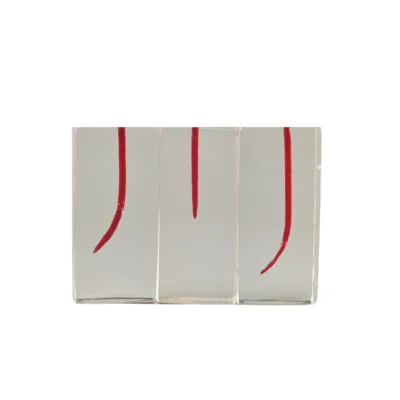
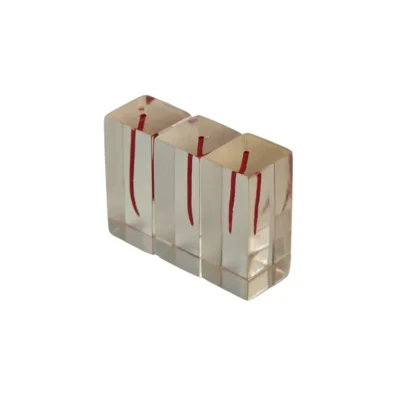
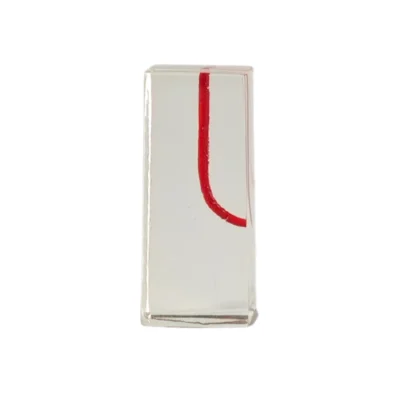
Evodent Root Canal Curvature Training Blocks (Pack of 3) – Straight, Moderate & Severe Curved Canal Models for Endodontic Practice
Original price was: ₹2,000.00 INR.₹995.00 INRCurrent price is: ₹995.00 INR. - Sale!
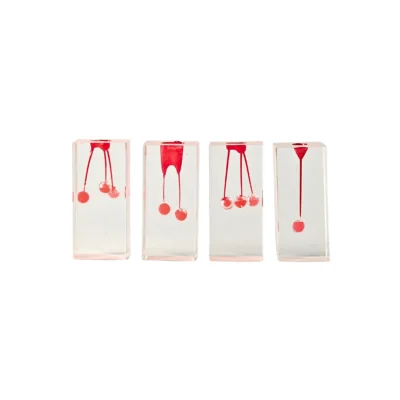
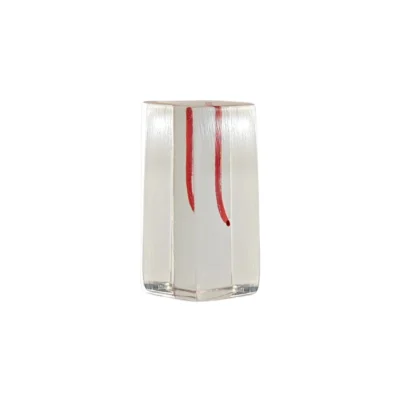
Evodent Root Canal Training Blocks with Apical Perforation Simulation, Pack of 4
Original price was: ₹500.00 INR.₹199.00 INRCurrent price is: ₹199.00 INR. - Sale!
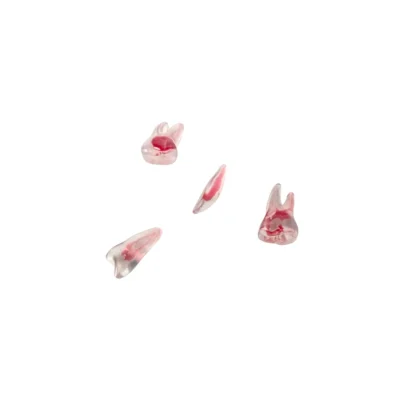
Evodent Cavity Preparation Practice Teeth, Natural Tooth Simulation, Pack of 4
Original price was: ₹6,000.00 INR.₹3,495.00 INRCurrent price is: ₹3,495.00 INR. - Sale!
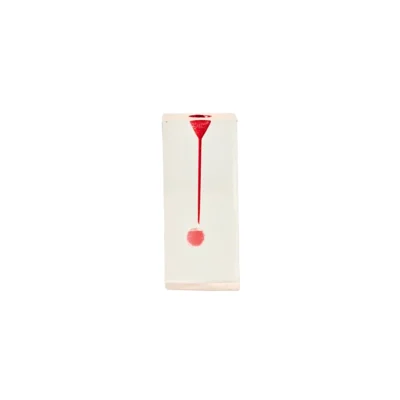
Evodent Endodontic Root Canal Practice Training Block, RCT Block For Students and Workshops
Original price was: ₹500.00 INR.₹385.00 INRCurrent price is: ₹385.00 INR.
Related products
- Sale!
Evodent Lingual Bracket Orthodontic Model Lingual Orthodontic Demonstration Model for Patient Education
Original price was: ₹10,000.00 INR.₹3,495.00 INRCurrent price is: ₹3,495.00 INR. - Sale!
Evodent Plastic Teeth Set for Orthodontic Practice and Training
Original price was: ₹8,000.00 INR.₹1,995.00 INRCurrent price is: ₹1,995.00 INR. - Sale!
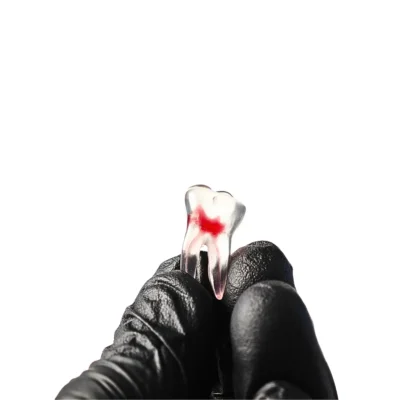
Evodent 200 CORE Transparent Root Canal Teeth for Endodontic Training
Price range: ₹200.00 INR through ₹6,000.00 INR - Sale!
Evodent Signature Orthodontic Bracket Bonding Training Teeth, Typodont Teeth with Metal Root and Tooth Color Crown, Set of 28
Original price was: ₹40,000.00 INR.₹24,990.00 INRCurrent price is: ₹24,990.00 INR.