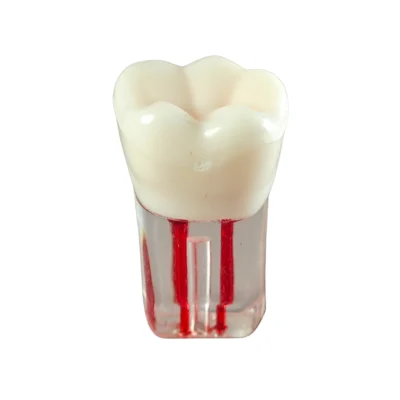
Evodent Root Canal Training Blocks with Apical Perforation Simulation, Pack of 4
Original price was: ₹500.00 INR.₹199.00 INRCurrent price is: ₹199.00 INR.
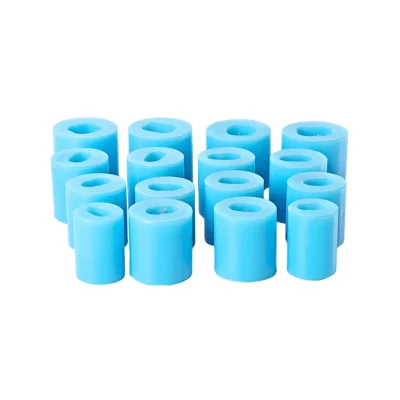
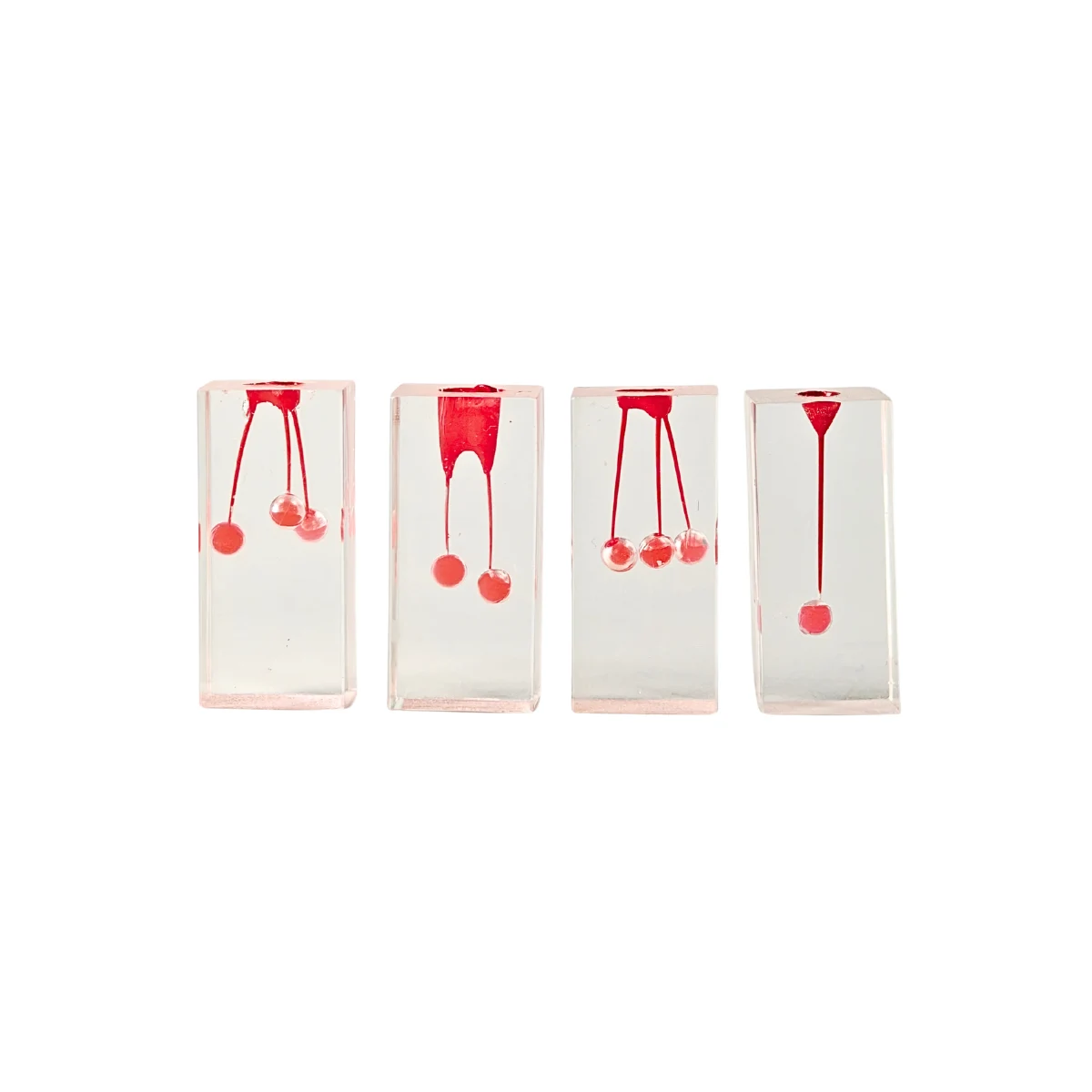
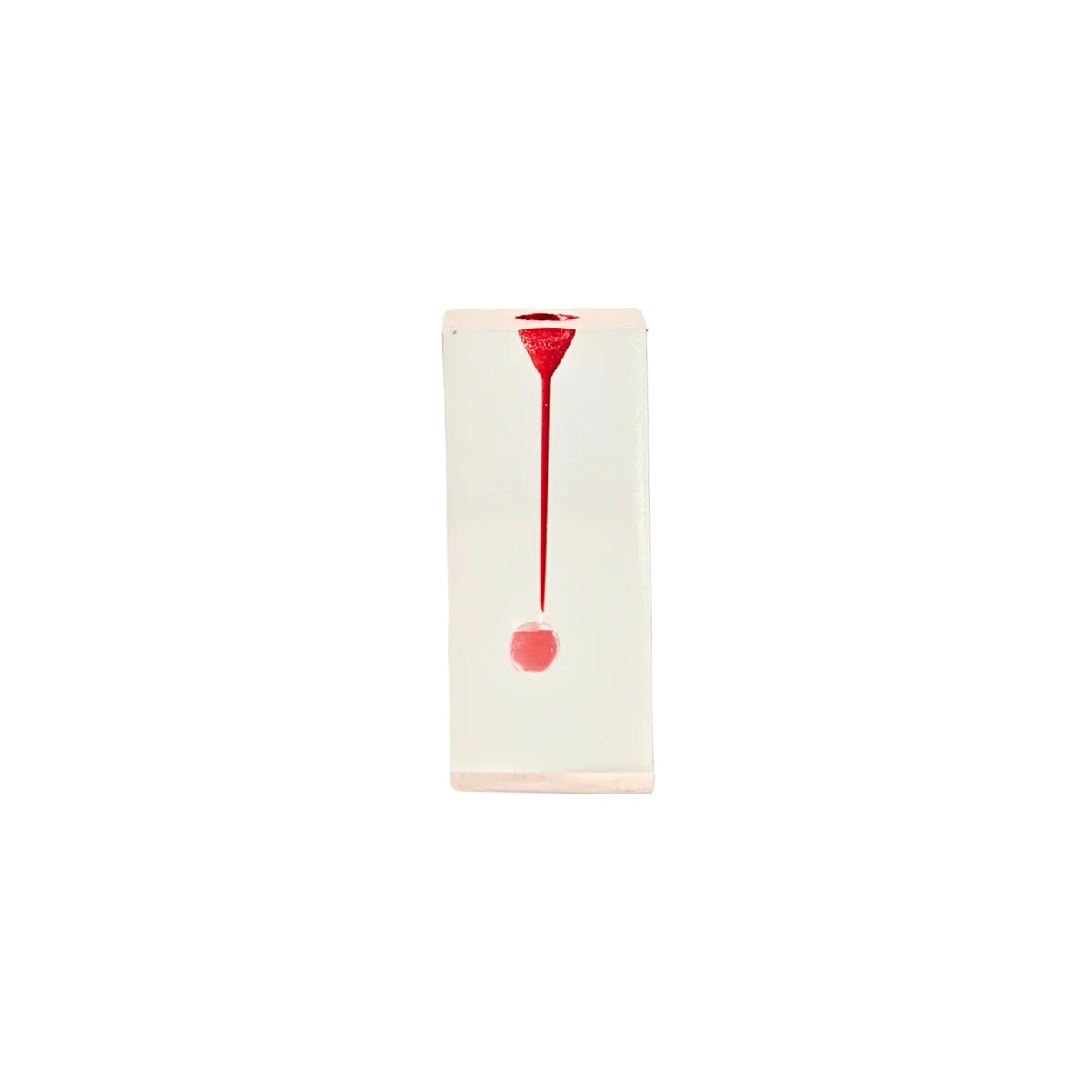
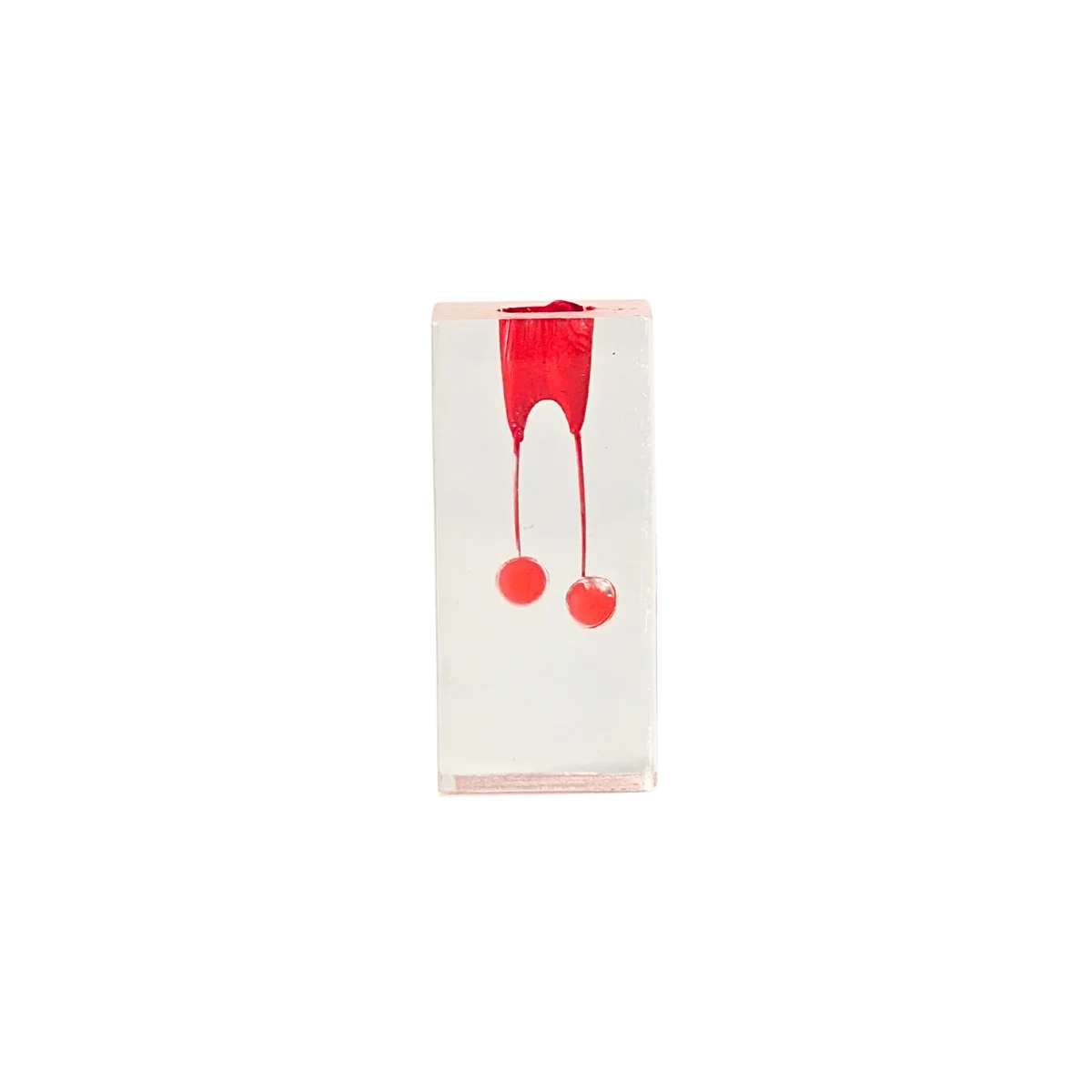
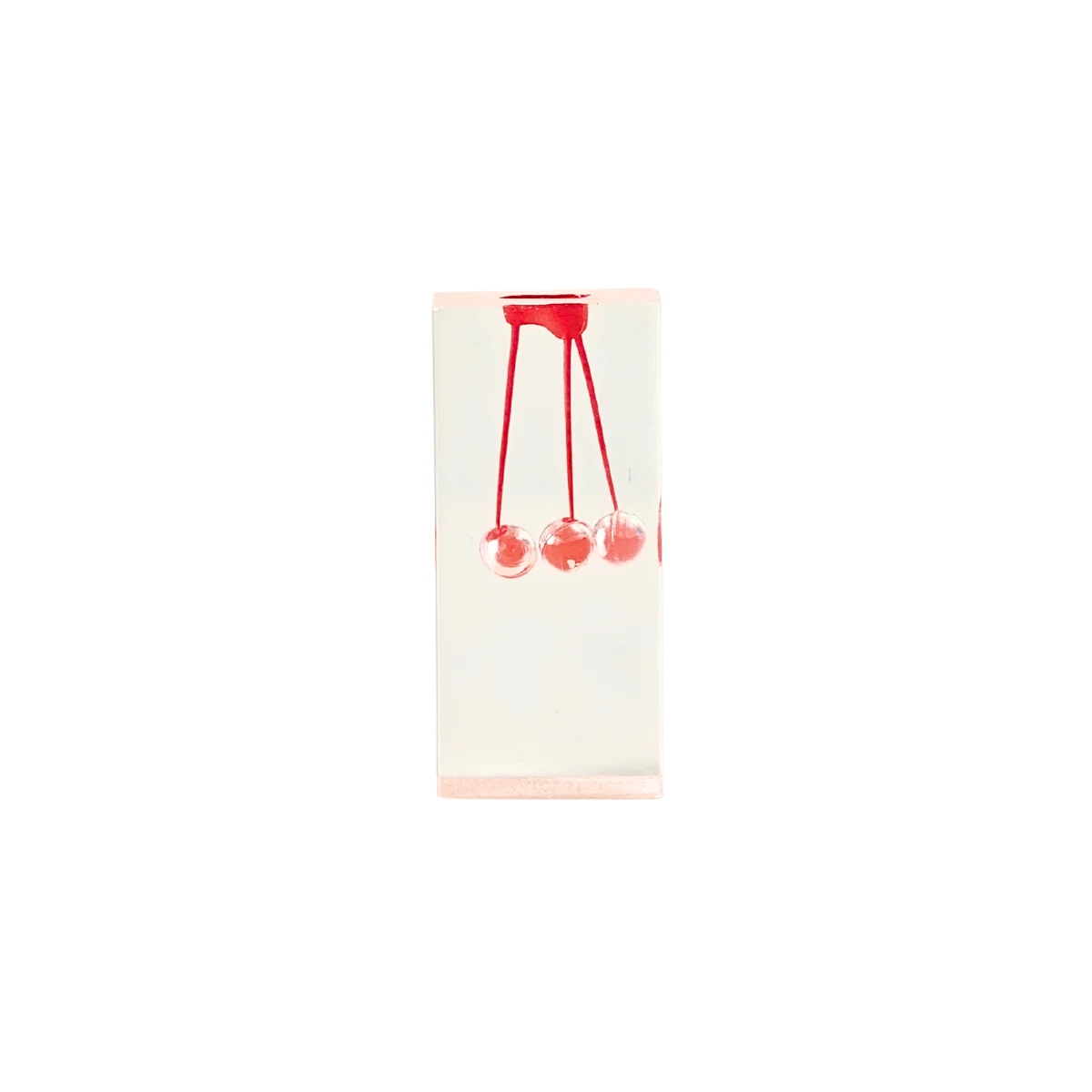
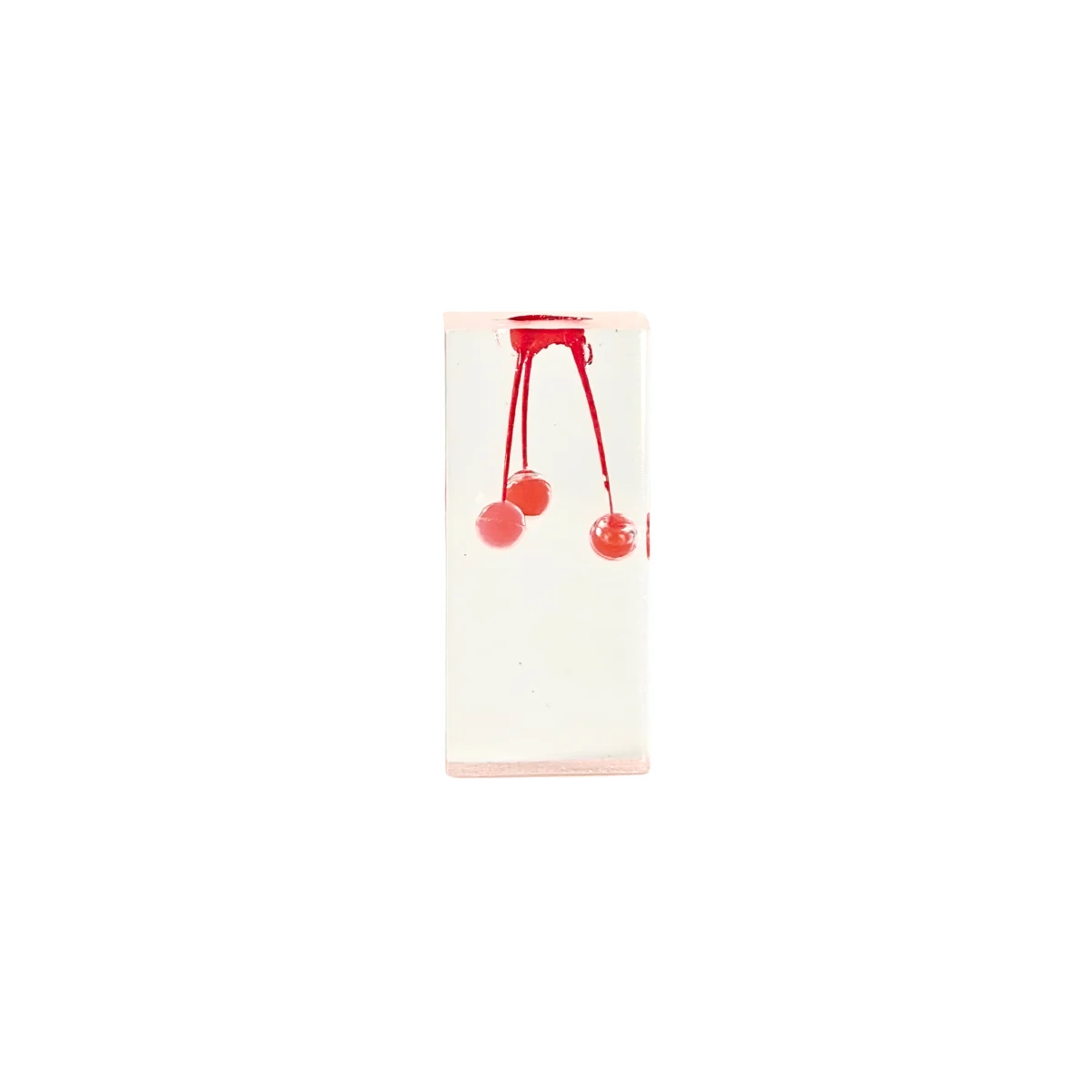
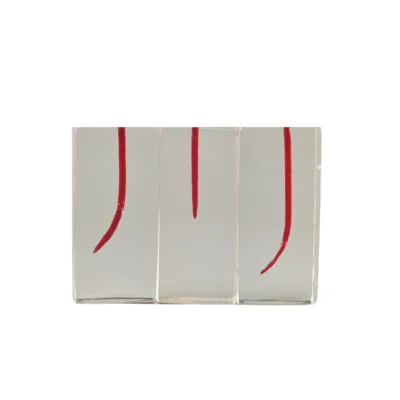
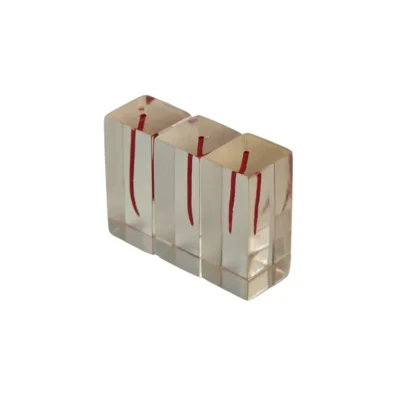
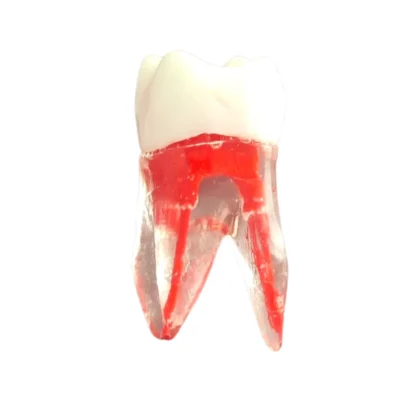
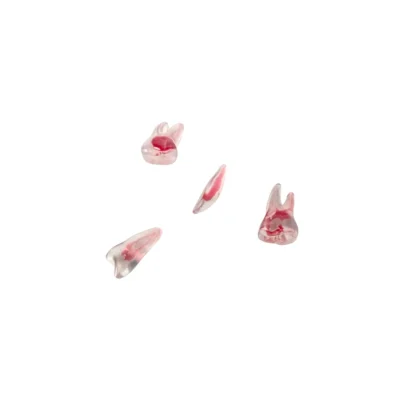
Pack of 4 transparent endodontic training blocks with different canal configurations and silicone balls at the apical foramina to provide tactile feedback during apical perforation and working-length training.
Shipping & Benefits
- International shipping available
- Tracking details shared by email
- Trusted by dental professionals worldwide
Description
The Evodent Root Canal Training Blocks are a set of 4 transparent endodontic practice models designed to help students understand root canal instrumentation, working length and apical control in a simple, visible training setup.
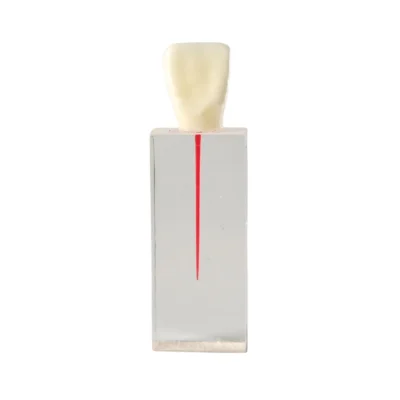
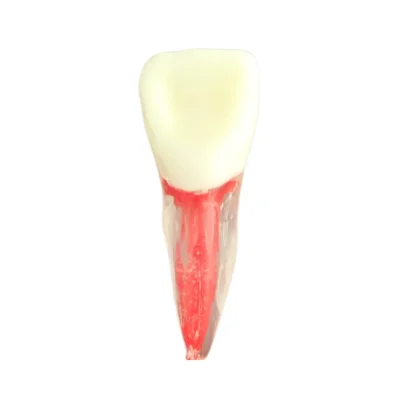
Each block contains a clearly visible simulated pulp chamber and root canal pathway. The set includes different canal configurations, including single and multi-canal designs, so students can work with more than one type of internal anatomy.
An important feature is the silicone ball positioned beyond each apical foramen. It is there to give the student a tactile cue when an instrument passes through the end of the simulated canal. This makes the model particularly useful for teaching apical perforation, over-instrumentation and the importance of controlling working length.
What Are Root Canal Training Blocks?
Root canal training blocks are transparent simulation models used in pre-clinical endodontics. They allow students to see the canal pathway while files and other instruments are being introduced into it. That visibility is useful early in training because the student can connect what they feel through the instrument with what is actually happening inside the canal.
These blocks can help students understand:
- Canal direction and anatomy
- Instrument movement inside the canal
- Working-length control
- Canal negotiation
- Root canal enlargement and shaping
- Apical control
- What happens when an instrument passes beyond the apical foramen
- Basic root canal filling and sealing concepts where included in the teaching exercise
What Does the Silicone Ball at the Apex Do?
The silicone ball is one of the most useful parts of this model. It is positioned beyond the apical foramen so that when a file or instrument passes out of the simulated canal, the student encounters a change in tactile sensation.
In practical terms, it helps demonstrate the moment an instrument has gone beyond the intended canal length. This can be used to teach:
- Why working length matters
- How over-instrumentation can occur
- How the apical foramen relates to the prepared canal
- The importance of controlled file advancement
- Why students should not rely only on how far an instrument appears to have entered
The silicone ball is a training aid. It does not reproduce every property of the tissues surrounding a natural tooth, but it gives students a useful tactile reference that a plain plastic canal block does not provide.
Apical Perforation vs Working-Length Control
In this model, apical perforation refers to an instrument passing through the apical foramen and beyond the end of the simulated root canal.
That is different from a lateral root perforation. The purpose of the silicone apical feature is to help students recognise and discuss what happens when instrumentation extends beyond the intended working length.
This makes the model especially valuable when an instructor is teaching working-length discipline alongside basic canal shaping.
Four Different Root Canal Training Blocks
The pack contains 4 transparent blocks with different simulated canal configurations. The value of having several blocks is that students are not limited to one straight, single-canal pathway. The set introduces different internal layouts, including single and multi-canal designs, so the approach to negotiation and instrumentation can vary from block to block.
This can help students think about:
- How instrument access changes with canal configuration
- How multiple canals need to be identified and approached separately
- How working length must be considered for each canal
- Why one instrumentation approach may not suit every canal shape
What Can Students Practice?
Depending on the instruments and teaching protocol, the blocks can be used for:
- Root canal negotiation
- Working-length exercises
- Hand-file control
- Rotary instrumentation where appropriate
- Canal enlargement and shaping
- Apical control
- Recognition of over-instrumentation
- Understanding apical perforation through the foramen
- Comparing single and multi-canal configurations
- Root canal filling or sealing demonstrations where appropriate
- Faculty demonstrations in pre-clinical endodontics
The exact exercise should follow the endodontic system, file sequence and protocol being taught.
How to Use the Root Canal Training Blocks
- Select the canal block that matches the exercise planned by the instructor.
- Inspect the canal configuration before introducing an instrument.
- Identify the canal entrance or entrances and review the expected path.
- Introduce the selected file according to the training protocol.
- Advance carefully while observing the instrument through the transparent block.
- Establish and maintain the working length required for the exercise.
- Carry out canal negotiation, enlargement or shaping as instructed.
- Pay attention to the tactile change if the instrument passes through the apical foramen and enters the silicone ball.
- Remove the instrument and inspect how the prepared canal relates to the original canal shape.
- Review the result with the instructor before moving to the next block or technique.
Students should use the speed, torque, file sequence and handling instructions specified for the instrumentation system being taught.
Why Transparency Matters in Endodontic Training
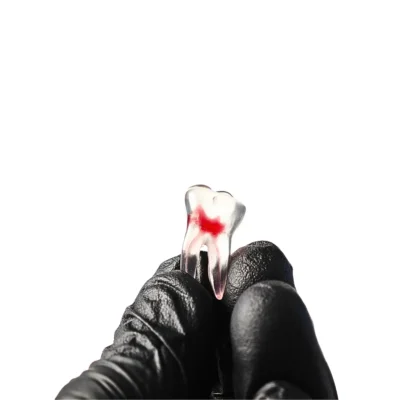
In a natural tooth, students cannot directly watch the file move through the entire root canal while they are working. With a transparent training block, they can see:
- Where the file is positioned
- How closely it follows the canal pathway
- Whether it is approaching the apical area
- How the canal changes during preparation
- What happens when an instrument extends beyond the canal
This makes the blocks useful for learning the basic mechanics of endodontic instrumentation before moving to more anatomically complex training teeth, typodonts or natural teeth.
Root Canal Training Block vs Natural Tooth Practice
The two types of training serve different purposes.
Transparent blocks are useful when the student needs to see the relationship between the instrument and the canal. They simplify the anatomy and make technique easier to observe and discuss.
Natural teeth provide greater anatomical variation but do not provide the same direct visibility during instrumentation.
A sensible training progression is to understand the mechanics on transparent blocks first, then move to tooth-shaped endodontic models and more advanced simulation once the student is comfortable with basic file control and working-length concepts.
Who Is This Endodontic Training Set For?
- Dental students
- Dental colleges
- Endodontic departments
- Pre-clinical laboratories
- Faculty demonstrations
- Hands-on endodontic workshops
- Students learning working length and canal shaping
- Training centres teaching root canal instrumentation
Key Features
- Pack of 4 transparent root canal training blocks
- Different simulated canal configurations
- Single and multi-canal training designs
- Visible pulp chamber and canal pathways
- Silicone ball positioned beyond the apical foramen
- Tactile feedback when an instrument passes through the apical foramen
- Useful for working-length and apical-control training
- Suitable for canal negotiation, enlargement and shaping exercises
- Useful for pre-clinical endodontic teaching
- Suitable for students, colleges and faculty demonstrations
Technical Specifications
- Product Type: Transparent root canal training blocks
- Pack Size: 4 blocks
- Training Category: Pre-clinical endodontics
- Canal Design: Different simulated single and multi-canal configurations
- Canal Visibility: Transparent block with visible stained canal pathways
- Apical Feature: Silicone ball positioned beyond the apical foramen
- Primary Training Use: Root canal instrumentation, working length and apical control
- Additional Training Use: Canal negotiation, enlargement, shaping, filling and sealing demonstrations where appropriate
- Recommended Users: Dental students, dental colleges, endodontic departments and training centres
- Use Environment: Pre-clinical laboratory, classroom, workshop or individual training setup
- Intended Use: Educational and endodontic training
FAQs
Q. What are the Evodent Root Canal Training Blocks used for?
A. They are transparent endodontic practice blocks used for canal negotiation, instrumentation, shaping, working-length training and apical-control exercises. The visible canal pathways help students understand what their instruments are doing inside the simulated canal.
Q. What is the silicone ball at the end of the root canal for?
A. The silicone ball is positioned beyond the apical foramen to provide a tactile cue when an instrument passes out of the simulated canal. It helps students understand the sensation associated with going beyond the intended canal length and reinforces the importance of working-length control.
Q. Does the silicone ball simulate apical perforation?
A. Yes. It is designed to help the student recognize the tactile change when an instrument passes through the apical foramen. In this context, the exercise is about apical over-extension rather than a lateral root perforation.
Q. How many root canal blocks are included?
A. The set contains 4 transparent endodontic training blocks with different simulated canal configurations.
Q. Why are the root canals visible?
A. The transparent design allows students and instructors to see the canal pathway, instrument position and apical area during training. This makes it easier to connect tactile feedback with what is happening inside the canal.
Q. Can the blocks be used for working-length practice?
A. Yes. Working-length control is one of the most useful applications of the set. Students can observe the instrument position and also experience the tactile cue created when the instrument passes beyond the apical foramen.
Q. Can students practice canal shaping with these blocks?
A. Yes. The blocks can be used for canal negotiation, enlargement and shaping according to the file system and teaching protocol selected by the instructor.
Q. Are these suitable for rotary endodontic files?
A. They can be used with suitable instrumentation when rotary training forms part of the teaching protocol. Students should always follow the speed, torque and file sequence specified for the system being taught.
Q. Should students use these instead of natural teeth?
A. They serve a different purpose. Transparent blocks are particularly useful for understanding instrument movement, working length and apical control because the canal is visible. Natural teeth provide more complex anatomy and are useful at a later stage of training.
You may also like…
- Sale!

Evodent Root Canal Curvature Training Blocks (Pack of 3) – Straight, Moderate & Severe Curved Canal Models for Endodontic Practice
Original price was: ₹2,000.00 INR.₹995.00 INRCurrent price is: ₹995.00 INR. - Sale!
Evodent Root Canal Training Block with Crown, Endodontic Tooth Model – 14, 21, 26, Clear Resin Canal Anatomy for RCT Practice – 14
Original price was: ₹700.00 INR.₹295.00 INRCurrent price is: ₹295.00 INR. - Sale!
Evodent Anatomical Dental Tooth Model with Root & Pulp, Individual Tooth
Original price was: ₹500.00 INR.₹295.00 INRCurrent price is: ₹295.00 INR. - Sale!
Evodent Cavity Preparation Practice Teeth, Natural Tooth Simulation, Pack of 4
Original price was: ₹6,000.00 INR.₹3,495.00 INRCurrent price is: ₹3,495.00 INR.
Related products
- Sale!
Evodent Dental Phantom Head Manikin with Headrest Mount and Drainage System, Chair-Mount Dental Training Manikin for Preclinical Simulation
Original price was: ₹20,000.00 INR.₹12,995.00 INRCurrent price is: ₹12,995.00 INR. - Sale!
Evodent Three Times Silicone Plaster Mold for Crown, Tooth-Specific Crown Making Mold
Original price was: ₹1,500.00 INR.₹895.00 INRCurrent price is: ₹895.00 INR. - Sale!
Evodent 200 CORE Transparent Root Canal Teeth for Endodontic Training
Price range: ₹200.00 INR through ₹6,000.00 INR - Sale!
Evodent Edentulous Mold with Attachment, Silicone Plaster Dental Cast Mold with Phantom Head Mounting Plate
Original price was: ₹10,000.00 INR.₹3,500.00 INRCurrent price is: ₹3,500.00 INR.