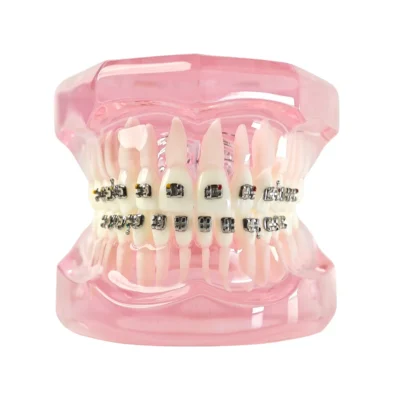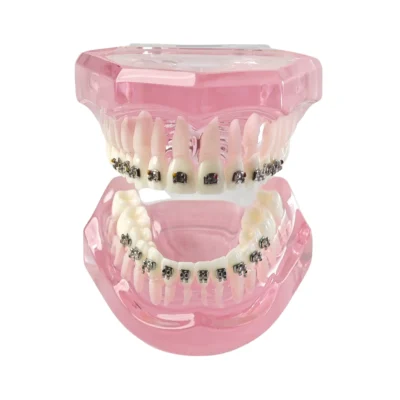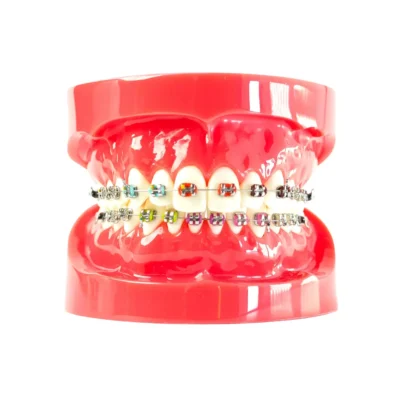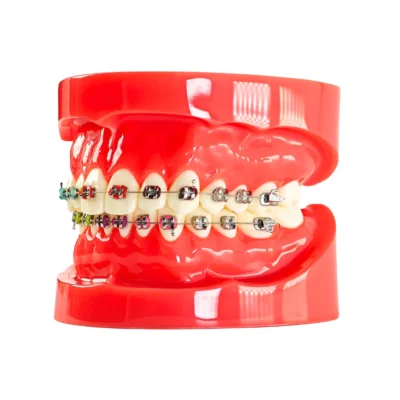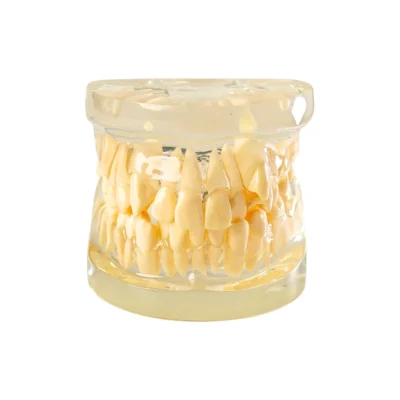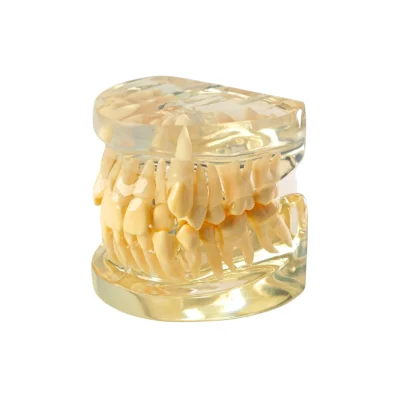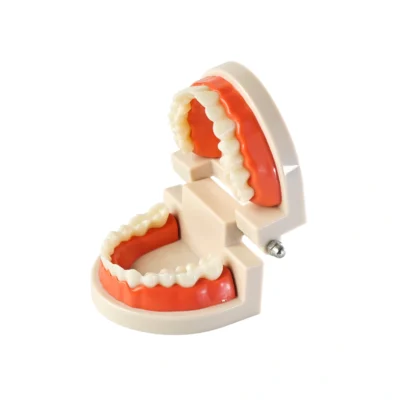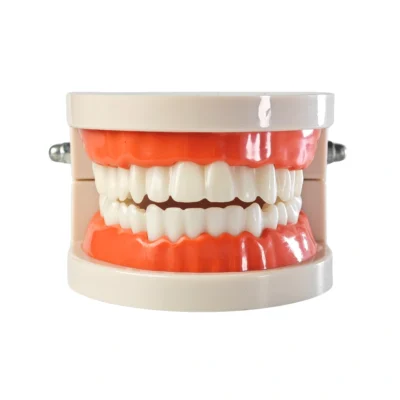
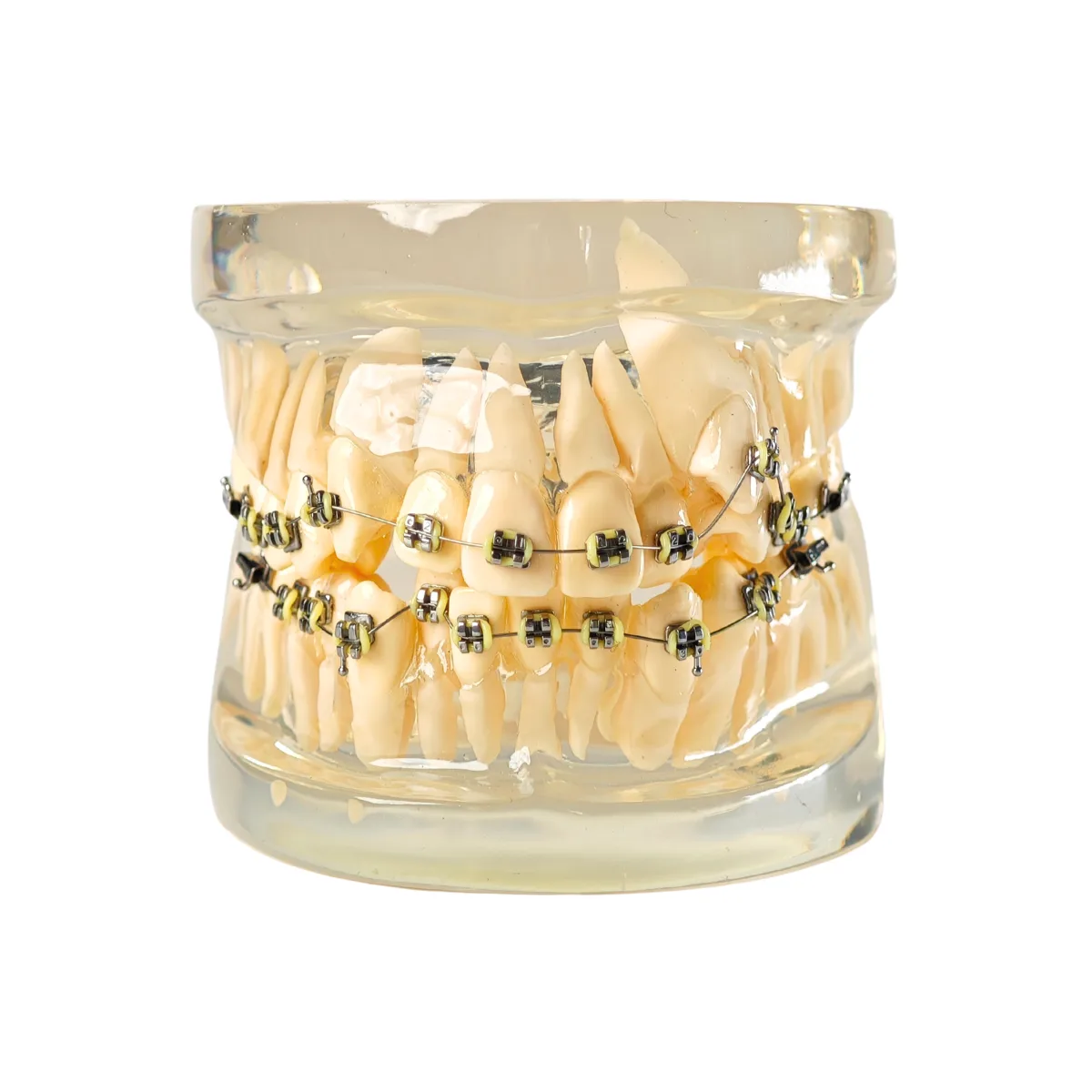
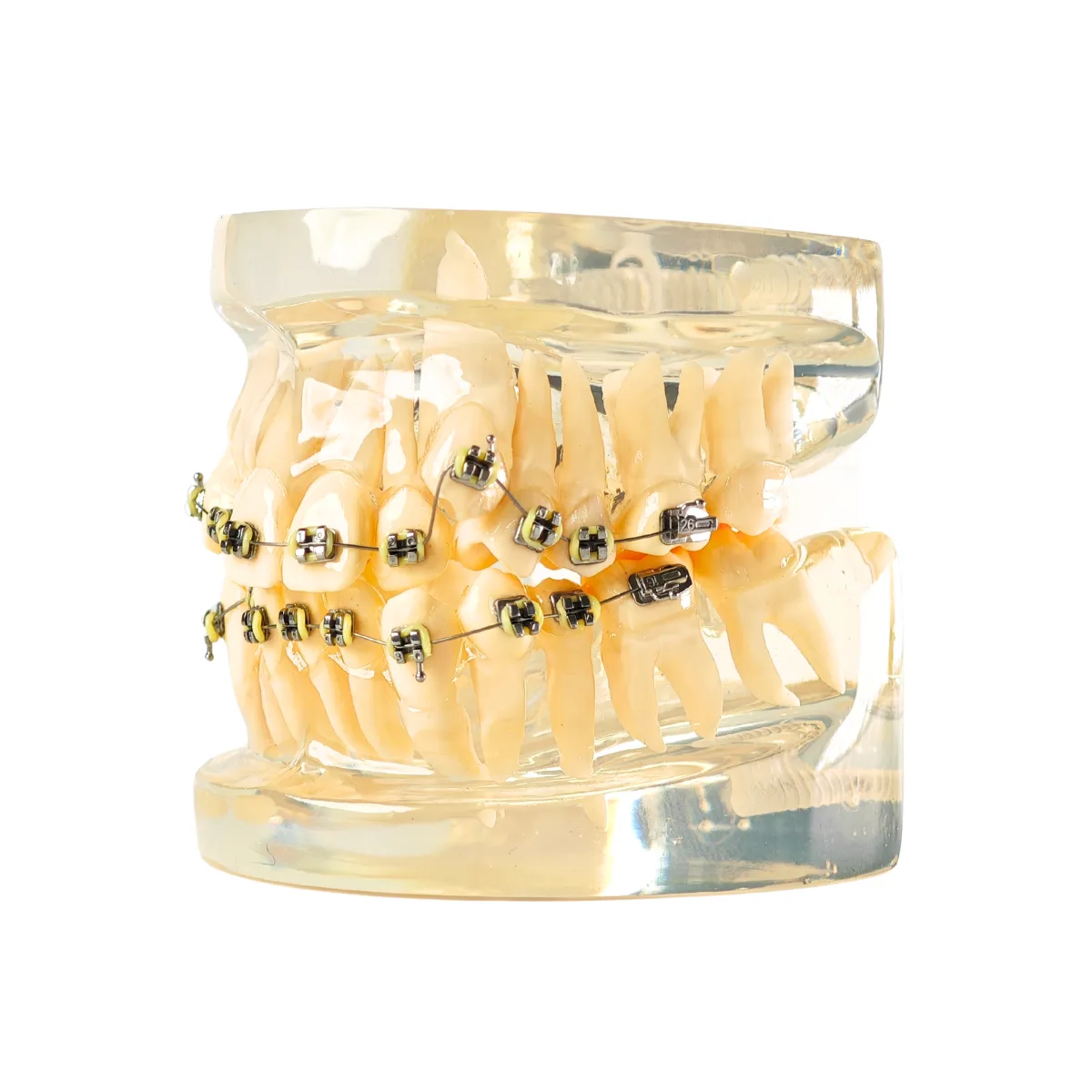
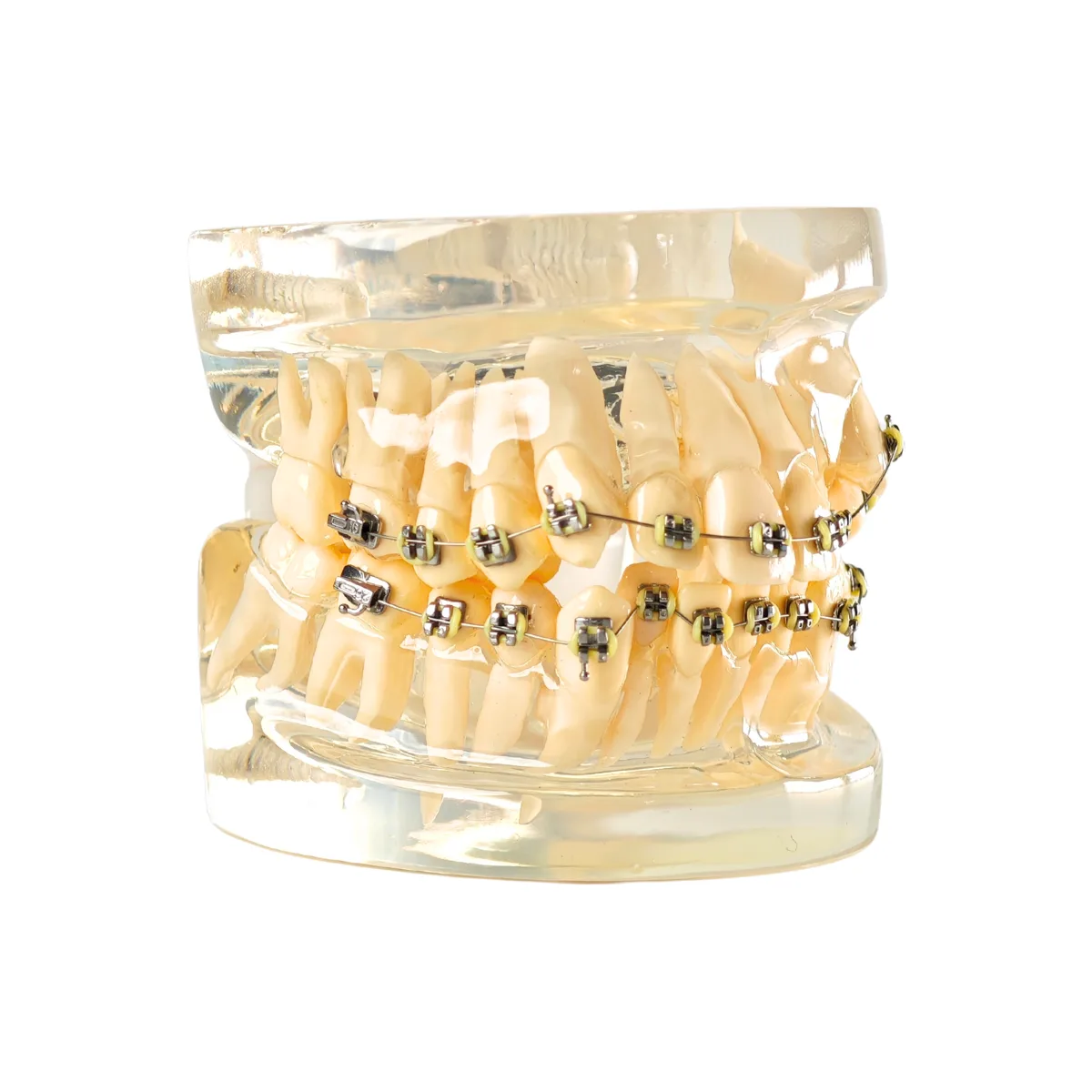
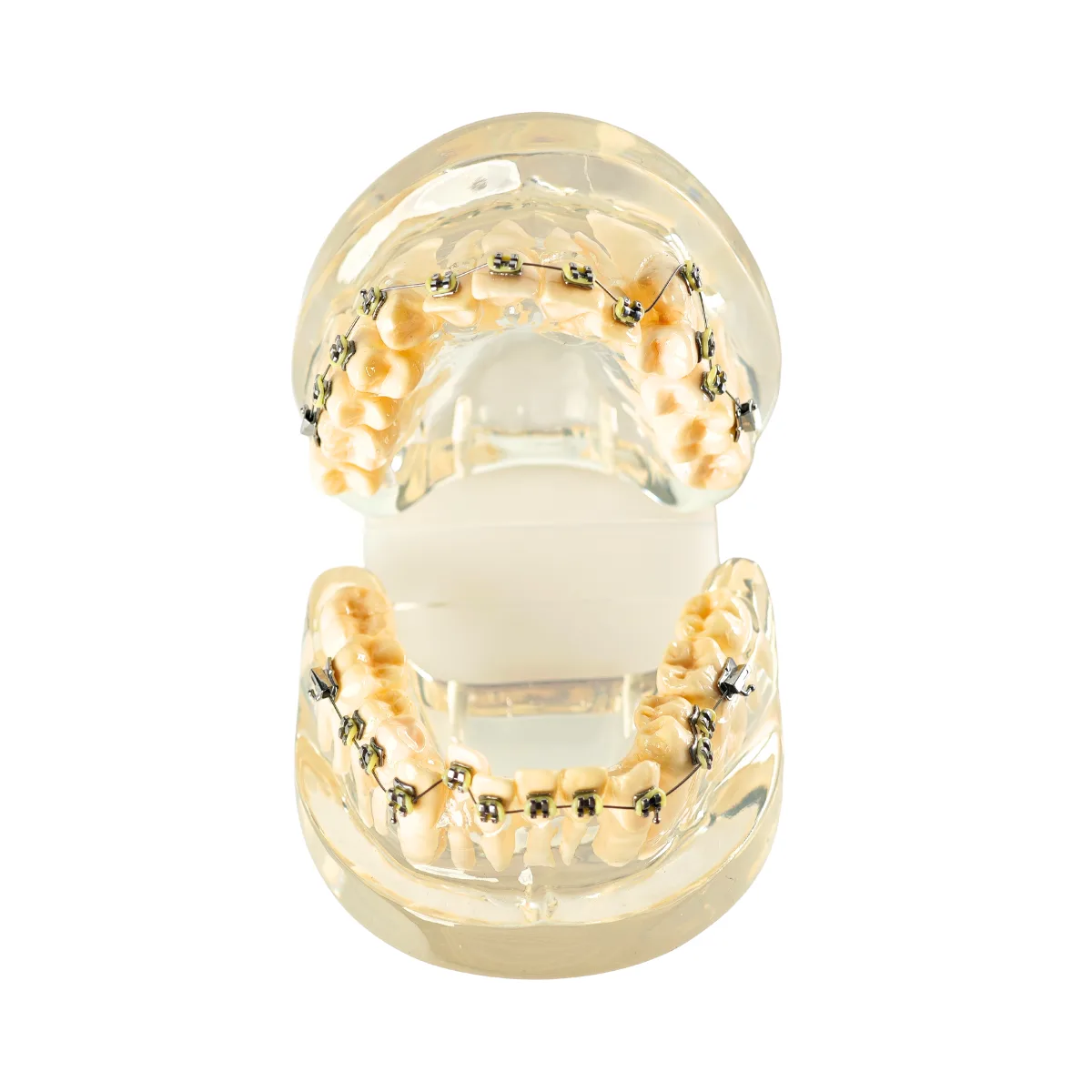
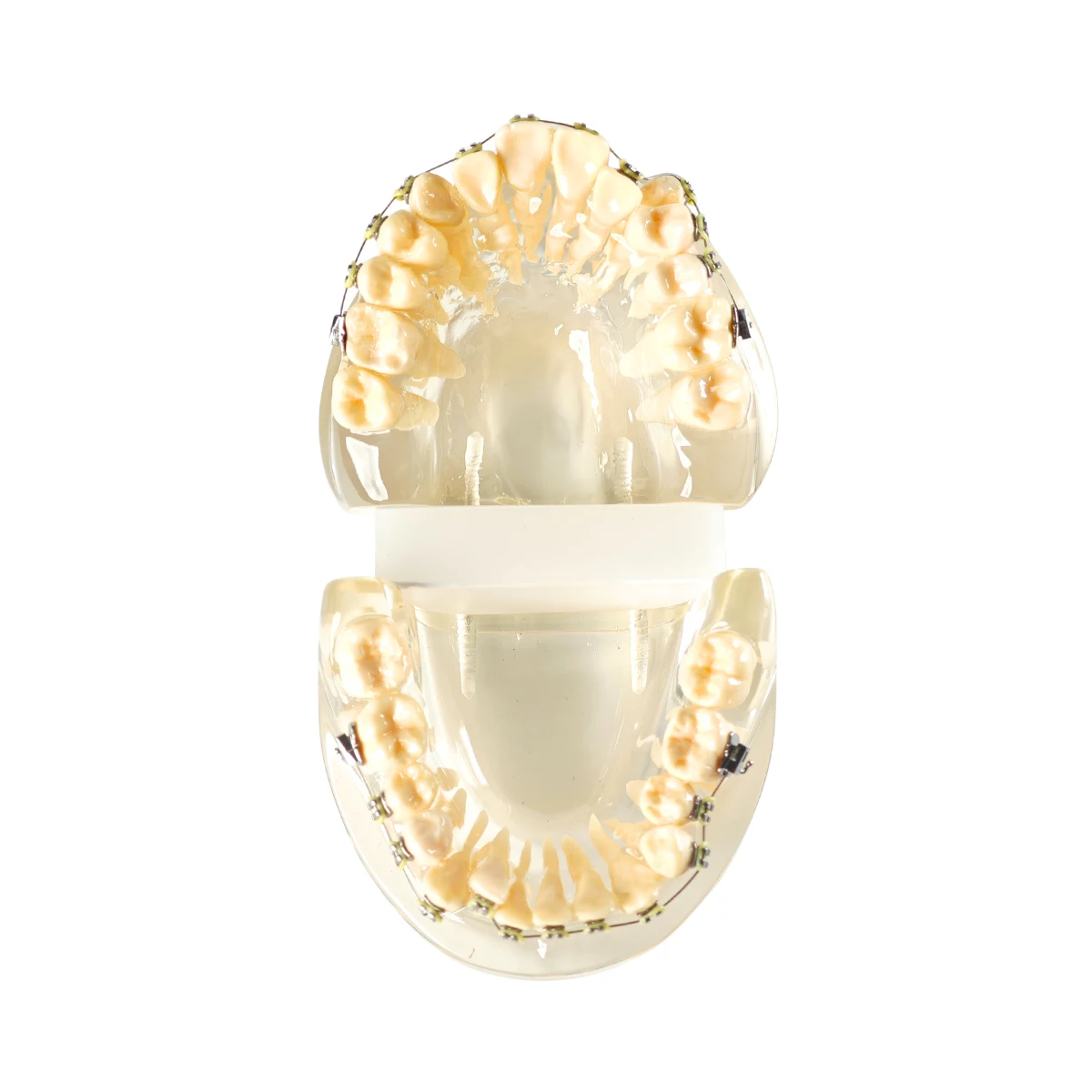
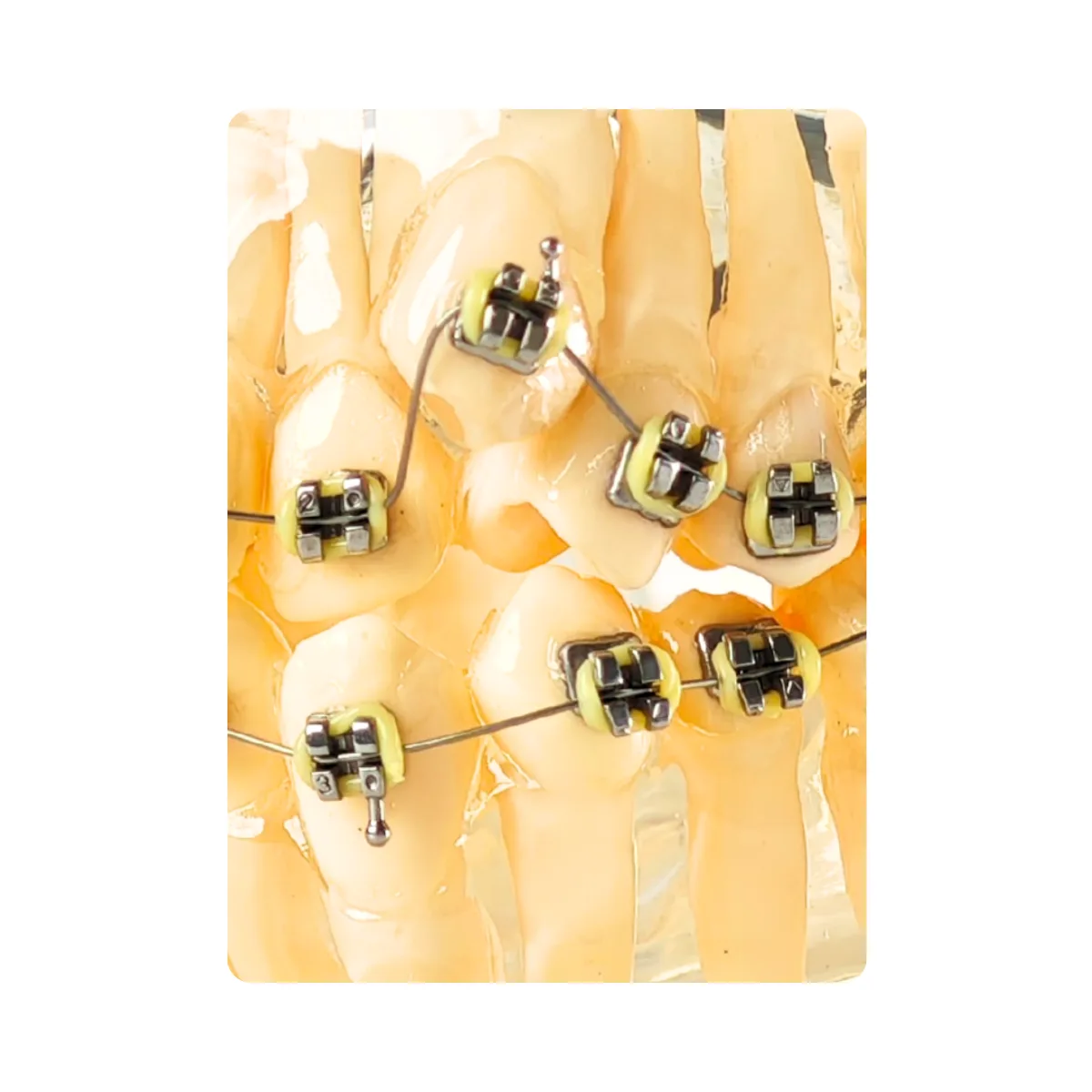
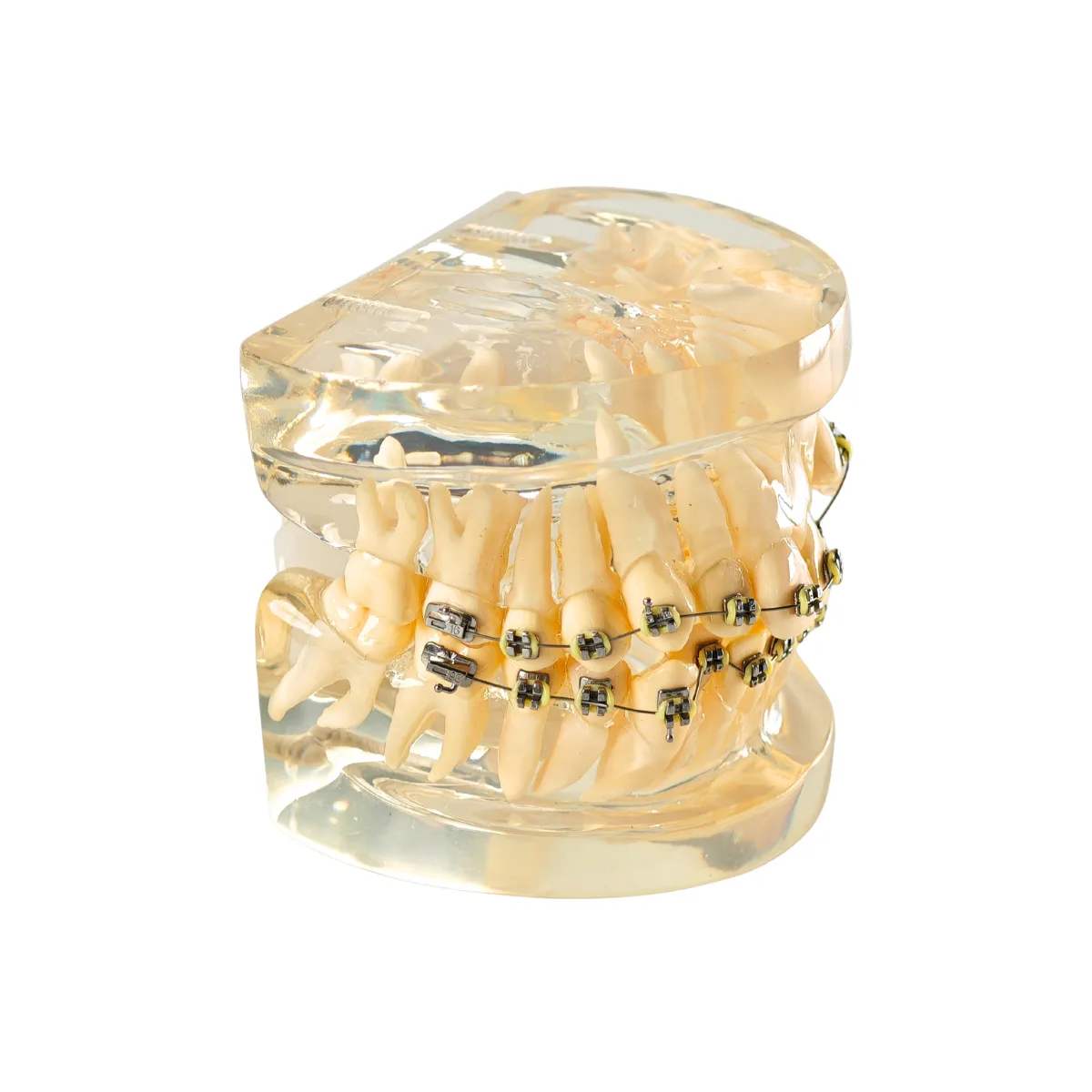
Evodent Signature Dental Malocculation Model with Metal Bracket, Patient Education Model
Original price was: ₹6,000.00 INR.₹3,495.00 INRCurrent price is: ₹3,495.00 INR.
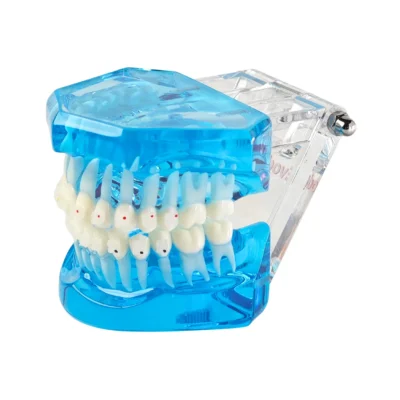
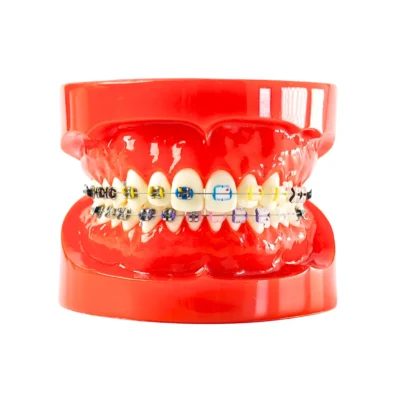
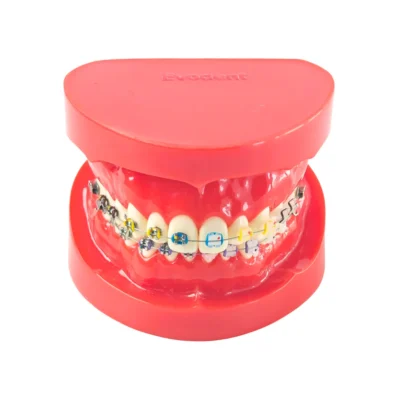
A clear Orthodontic Malocculation Model with Metal Bracket to explain malocclusion, bite problems, and treatment plans visually in seconds.
Shipping & Benefits
- International shipping available
- Tracking details shared by email
- Trusted by dental professionals worldwide
Description
Explaining malocclusion to patients is harder than it should be. You say “crowding”, “bite problem”, “alignment”… They nod – but they don’t really understand. And when they don’t understand, they don’t say yes.
The Evodent Signature Dental Malocclusion Model with Metal Brackets fixes that instantly. It lets you show the problem, not just explain it, making patients clearly see what’s wrong and why braces are needed.
The Evodent Signature Dental Malocculation Model with Metal Bracket is a chairside orthodontic patient education model designed to help dentists explain crowding, bite problems, malocclusion, and the role of braces in a way patients can understand immediately.
In real consultations, patients often hear words like alignment, bite issue or malocclusion without fully understanding what those terms mean for their own teeth. This model solves that problem by showing the condition visually. Instead of relying only on verbal explanation, the dentist can use a physical model to demonstrate what is wrong, why braces may be needed, and how orthodontic treatment helps improve alignment.
Because this model already includes metal brackets on a malocclusion setup, it is especially useful when discussing braces-based correction, patient concerns about treatment, and expected improvement from orthodontic care.
Why dentists use a malocclusion model during consultation?
Malocclusion is easier to diagnose than it is to explain. Many patients do not clearly understand:
- Why their teeth are crowded or irregular,
- Why their bite is not ideal,
- Why braces are being recommended,
- Or how treatment will improve the situation.
That gap in understanding often leads to hesitation, repeated questions and lower treatment acceptance. This model helps bridge that gap. It gives the dentist a simple way to move from abstract terms to a clear visual explanation, so the patient can see the problem rather than just hear about it.
What this malocclusion model shows?
This model is designed to visually demonstrate:
- Crowded and irregular tooth alignment
- Basic malocclusion and bite problems
- Metal bracket placement
- How braces are used in orthodontic correction
- The difference between a problematic starting position and the need for alignment correction
This makes it useful not only for explaining the condition itself, but also for helping patients understand why orthodontic treatment is being recommended.
What kinds of orthodontic problems can this help explain?
This model is most useful for explaining common orthodontic issues such as:
- Crowding
- Irregular tooth alignment
- Spacing problems
- Basic bite irregularities
- Why teeth may require bracket-based correction
It is best used as a general malocclusion explanation model, not as a detailed classification model for advanced orthodontic teaching. That distinction matters, because it helps the dentist set the right level of explanation for the patient.
When this model is most useful in clinic?
This model is most useful when the goal is to help a patient quickly understand why orthodontic treatment is being suggested.
Dentists commonly use it during:
- First-time orthodontic consultations,
- Braces discussions with new patients,
- Parent consultations for children or teenagers,
- Treatment planning conversations,
- And case presentation where acceptance depends on better understanding.
It is particularly useful when the patient is unsure whether the problem is serious enough to justify treatment.
Who this model is for?
This model is best suited for:
- General dentists who want to explain orthodontic problems more clearly
- Orthodontists discussing braces-based treatment
- Treatment coordinators involved in case presentation
- Clinics with frequent orthodontic consultations
- Practices that want a simple visual aid for improving patient understanding
Because it is a patient education model, it works best in settings where explanation and communication matter more than technical simulation.
Who should NOT buy this model?
This model is not the right choice for users looking for:
- A procedural orthodontic training model
- A typodont for bracket bonding practice
- A model for wire bending or hands-on simulation
- A removable teeth training setup
- A detailed academic model for full orthodontic classification teaching
In other words, this is a consultation model, not a pre-clinical training model.
Why this model works well for patient education?
What makes this model useful is not just that it shows braces. It shows braces in the context of a visible orthodontic problem. That matters because patients do not usually accept treatment just because they see brackets. They accept treatment when they understand:
- What the problem is,
- Why treatment is needed,
- And what braces are meant to correct.
This model helps with exactly that. Key practical benefits include:
- Faster explanation during consultation,
- Better patient understanding of malocclusion,
- Stronger support for braces discussions,
- Easier communication with parents and first-time orthodontic patients,
- And repeated daily use in clinic without complicated setup.
How this model is actually used in practice?
In a real clinic setting, this model is commonly used to:
- Show a patient what crowding or irregular alignment looks like
- Explain why braces may be needed
- Support treatment plan discussions with a visual reference
- Compare the patient’s current situation with a more ideal alignment outcome
- Make orthodontic case presentation feel easier and more convincing
That’s why models like this are not just educational tools they are part of the case presentation itself.
Technical Specifications
- Product Type: Orthodontic demonstration model
- Model Category: Dental malocclusion demonstration model
- Primary Use: Chairside explanation of crowding, bite issues, and braces-based orthodontic treatment
- Dentition Format: Full arch representation
- Brackets: Pre-fixed metal brackets
- Use Setting: Dental clinic / orthodontic consultation / patient education
- Training Use: Not intended for procedural training or bracket bonding practice
- Usage: Patient education (non-procedural)
- Reusability: Yes
FAQs – Evodent Malocclusion Dental Model
Q. What is a dental malocclusion model used for?
A. A dental malocclusion model is used to explain how teeth are crowded, irregular or not biting in the ideal way. It helps patients understand what the orthodontic problem is and why braces may be recommended.
Q. Why is this model useful during braces consultation?
A. During braces consultation, patients often do not fully understand why treatment is needed. This model helps the dentist visually demonstrate the problem and show how braces relate to correcting it, which makes the discussion easier to follow.
Q. Does this model show real braces placement?
A. Yes. This model includes metal brackets placed on the teeth, so it can be used to explain braces-based orthodontic treatment in a realistic visual way.
Q. Can this model be used to explain crowding and bite problems?
A. Yes. It is especially useful for explaining crowding, irregular alignment, and basic bite-related orthodontic concerns that patients may not understand from verbal explanation alone.
Q. Is this model for patient education or student training?
A. This model is primarily for patient education. It is made for consultations and treatment explanation, not for procedural orthodontic training.
Q. Who is this model most useful for?
A. It is most useful for dentists, orthodontists, and treatment coordinators who regularly discuss braces, crowding, and malocclusion with patients.
Q. Can this model help improve treatment acceptance?
A. It helps by making the problem visible. When patients clearly see what is wrong and how braces fix it, they are far more confident in proceeding with treatment. When patients clearly see what is wrong and why braces are being recommended, they are usually more confident in making a treatment decision.
Q. Is this a typodont?
A. No. This is a demonstration model for patient explanation. It is not a hands-on orthodontic practice typodont.
You may also like…
- Sale!

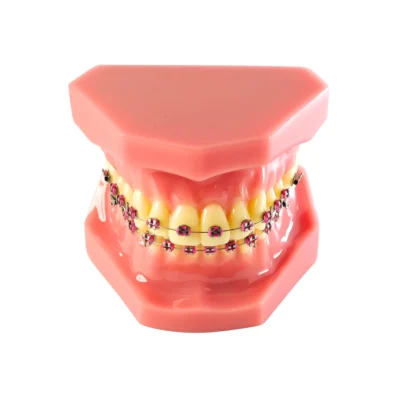
Evodent Orthodontic Model with Metal Braces and Pink Ligatures – Dental Braces Patient Education Model
Original price was: ₹6,000.00 INR.₹3,495.00 INRCurrent price is: ₹3,495.00 INR. - Sale!
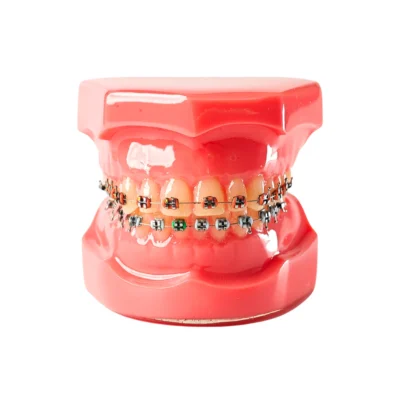
Evodent Orthodontic Model with Metal Brackets, Dental Braces Demonstration Model for Patient Education, Pink
Original price was: ₹6,000.00 INR.₹2,995.00 INRCurrent price is: ₹2,995.00 INR. - Sale!
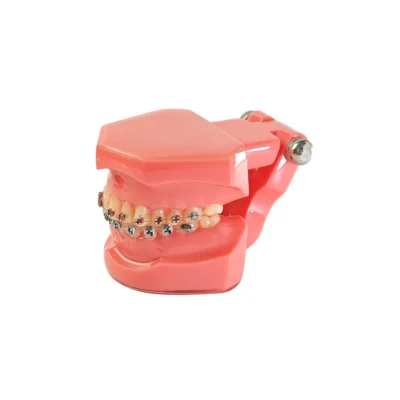
Evodent Orthodontic Model with Ceramic Brackets for Patient Education Model
Original price was: ₹5,000.00 INR.₹2,495.00 INRCurrent price is: ₹2,495.00 INR. - Sale!
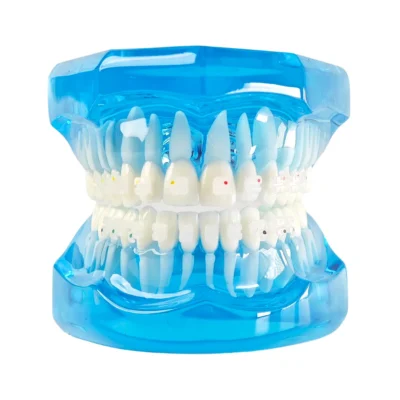
Evodent Metal vs Ceramic Brackets Comparison Model for Patient Education, Orthodontic Model with Half Meta and Half Ceramic Brackets
Original price was: ₹4,000.00 INR.₹2,495.00 INRCurrent price is: ₹2,495.00 INR.
Related products
- Sale!
Evodent Orthodontic Patient Education Model with Metal Braces – Pink for Treatment Explanation
Original price was: ₹5,000.00 INR.₹2,495.00 INRCurrent price is: ₹2,495.00 INR. - Sale!
Evodent Orthodontic Model with Metal Braces – Dental Braces Demonstration Model for Orthodontic Treatment Explanation, Red
Original price was: ₹4,000.00 INR.₹1,995.00 INRCurrent price is: ₹1,995.00 INR. - Sale!
Evodent Class I Malocclusion Dental Model ? Orthodontic Occlusion Demonstration Model for Patient Education
Original price was: ₹5,000.00 INR.₹2,775.00 INRCurrent price is: ₹2,775.00 INR. - Sale!
Evodent Ideal Dental Model, For Patient Education – Full Mouth Demonstration Model
Original price was: ₹750.00 INR.₹299.00 INRCurrent price is: ₹299.00 INR.