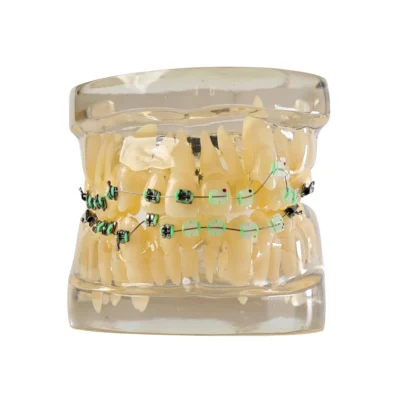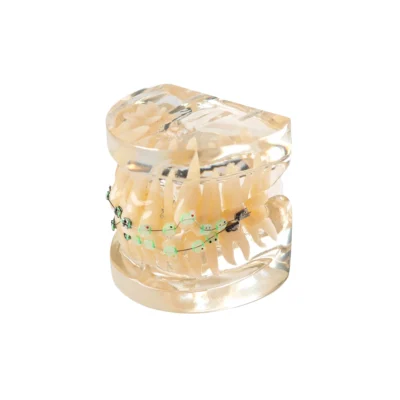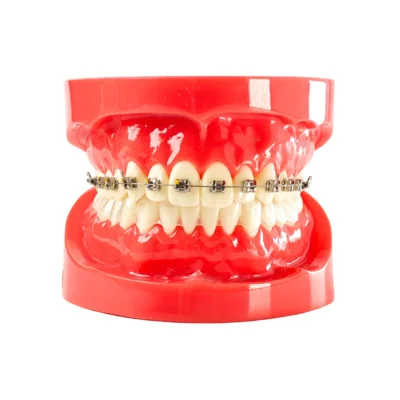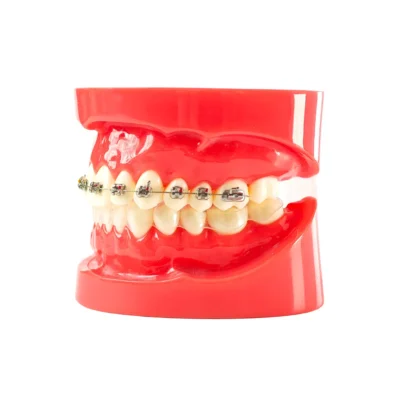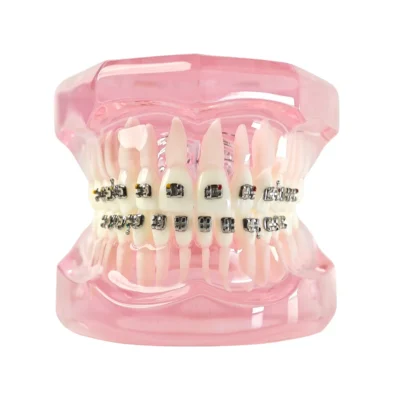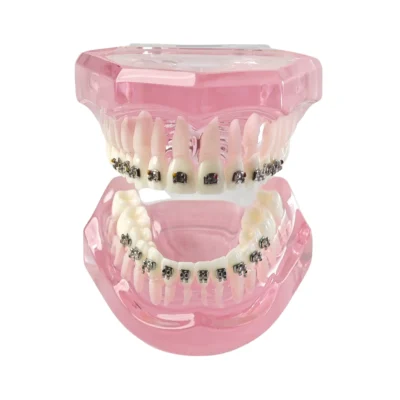
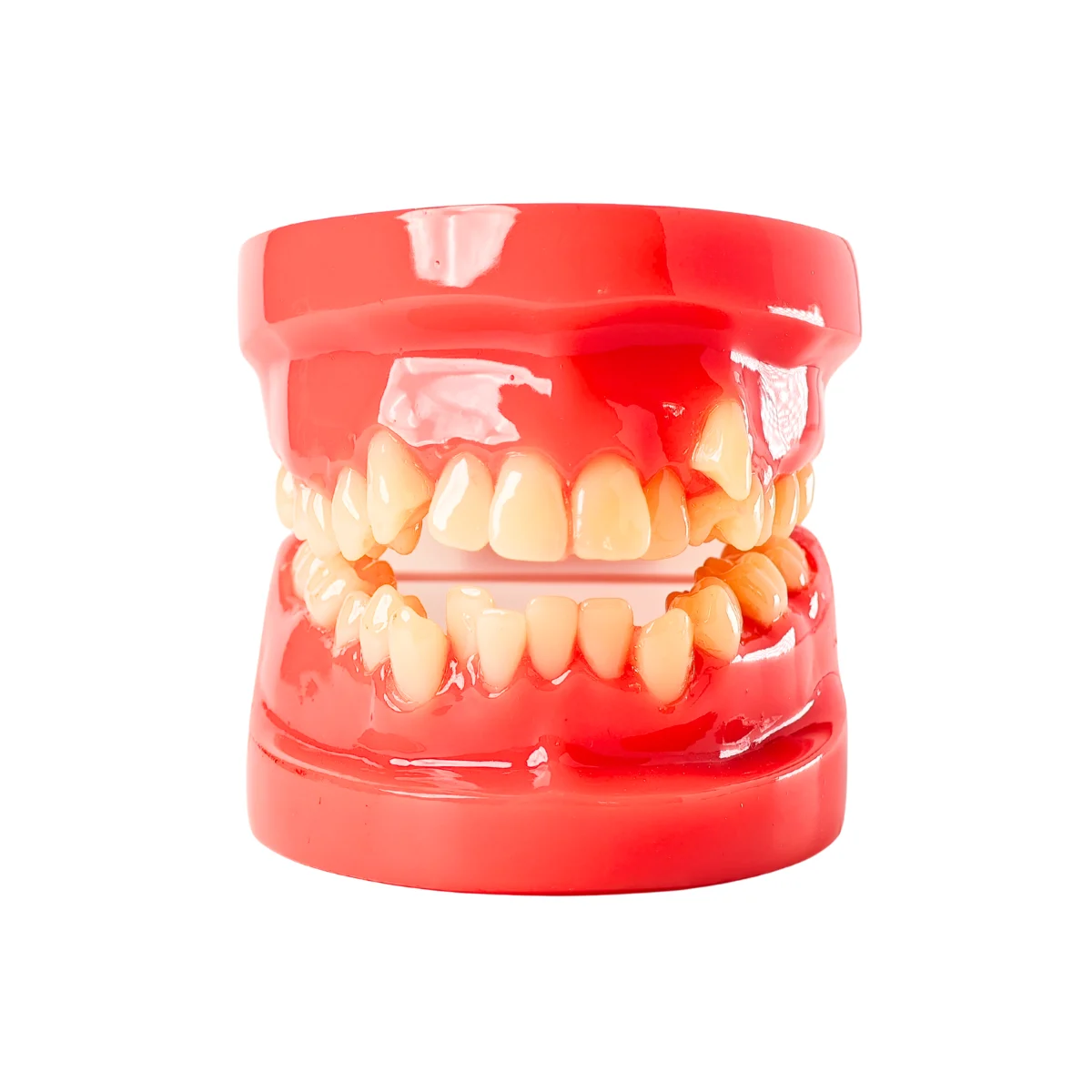
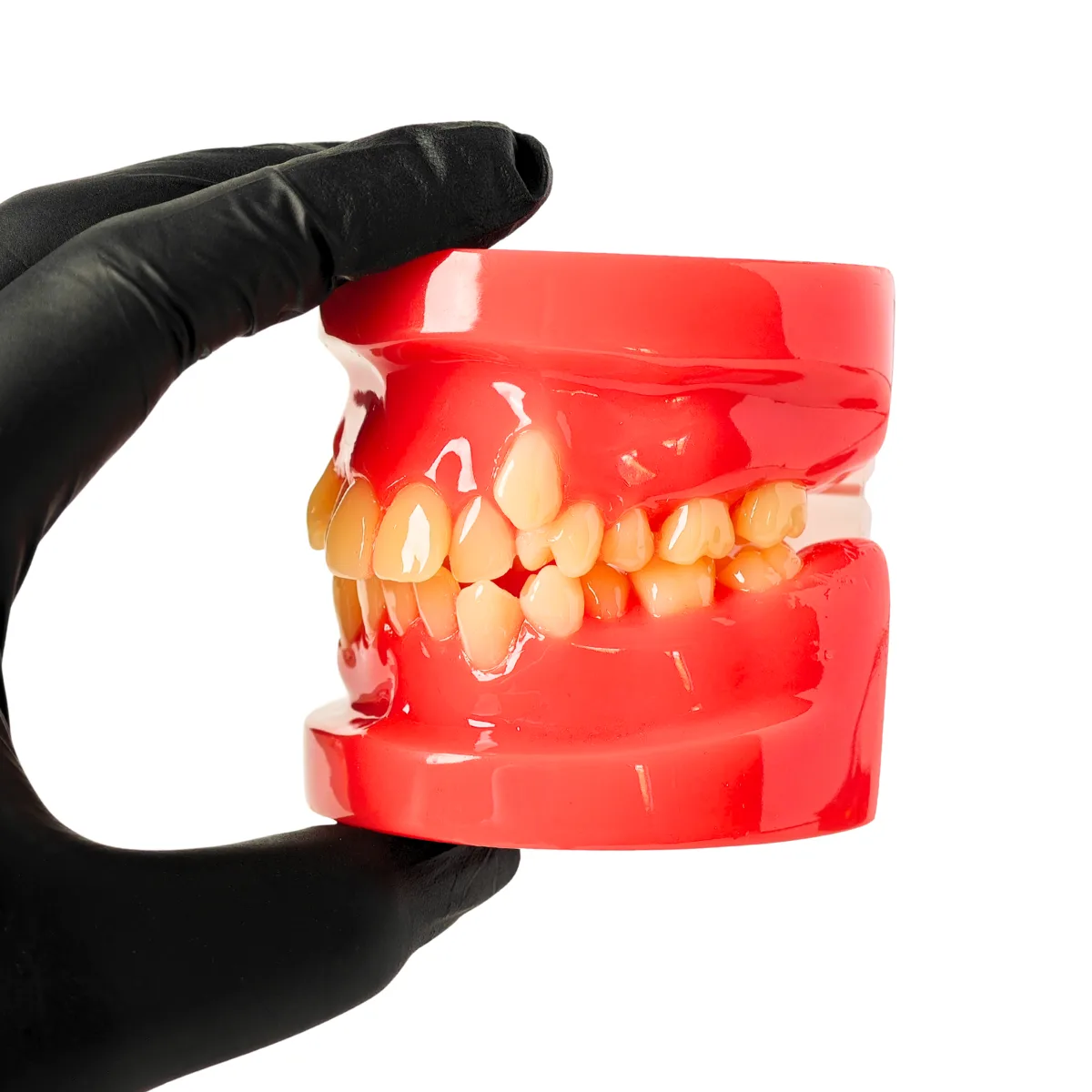
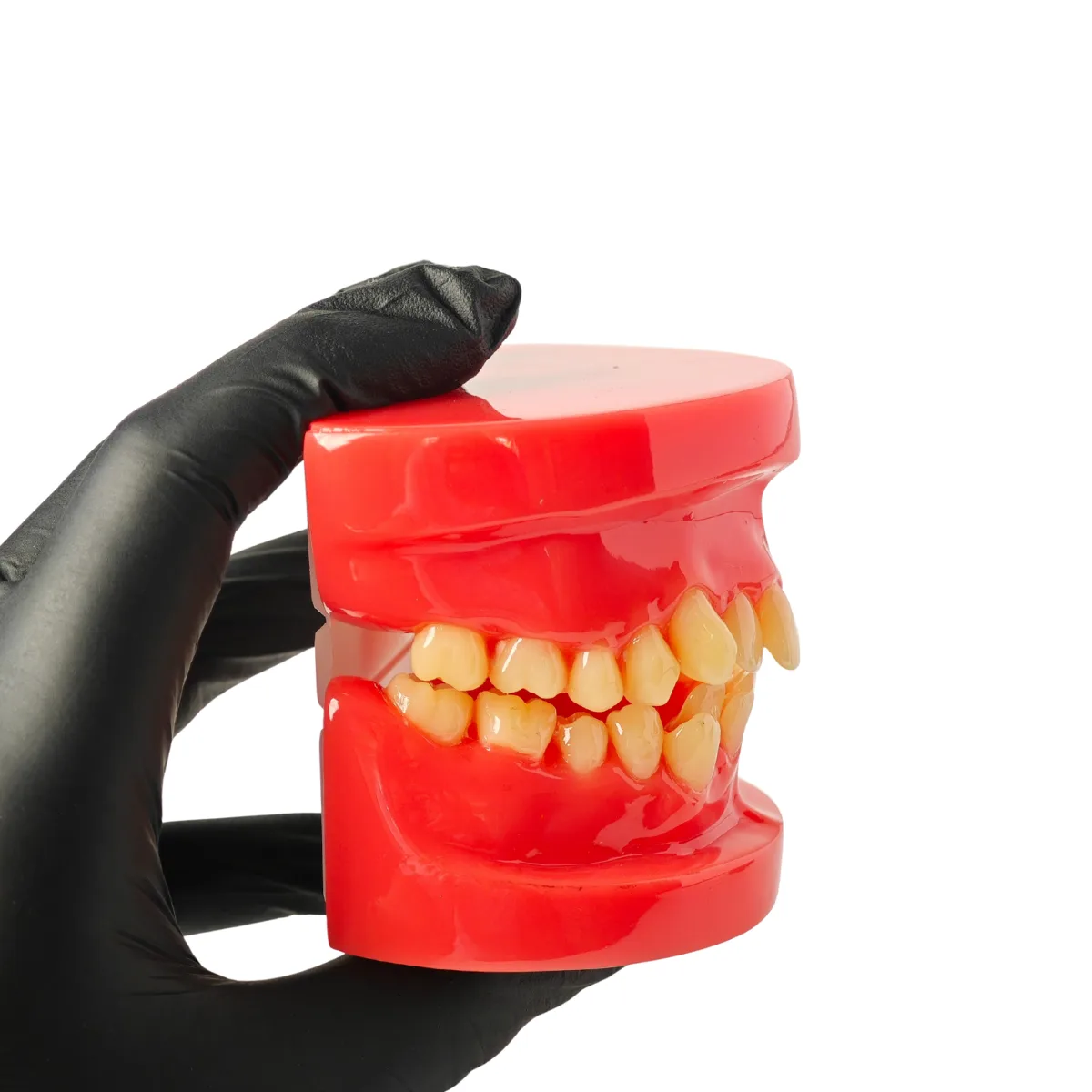
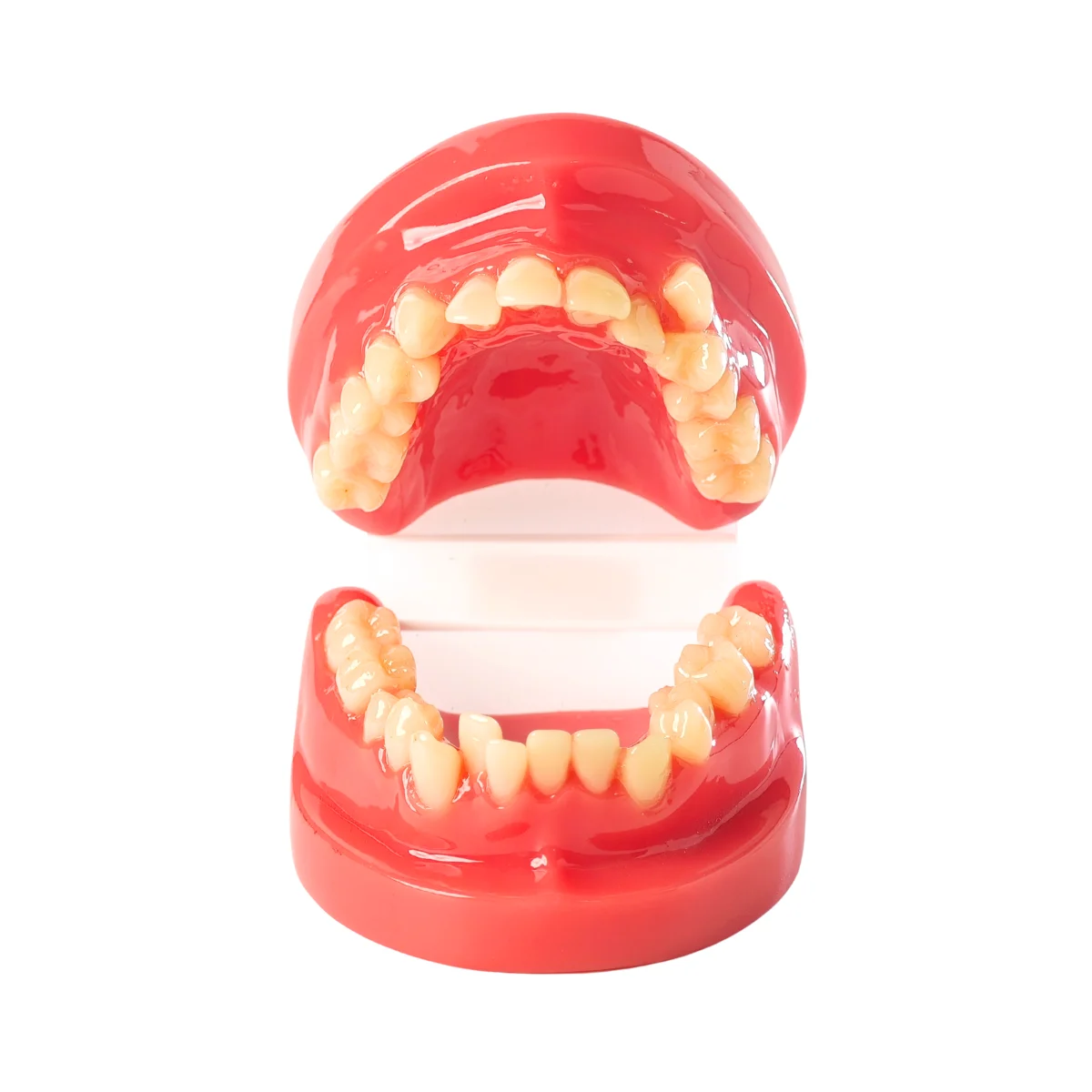
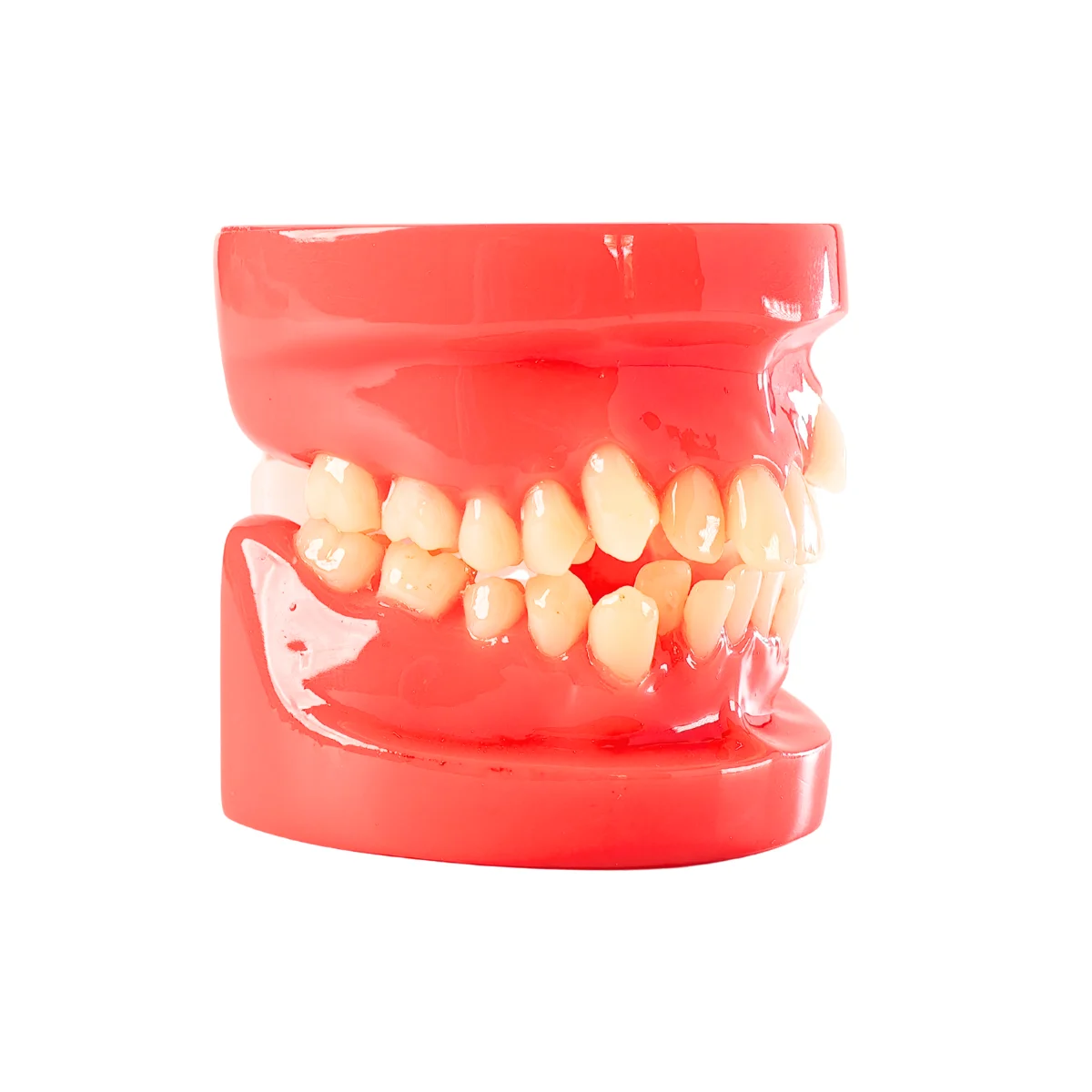
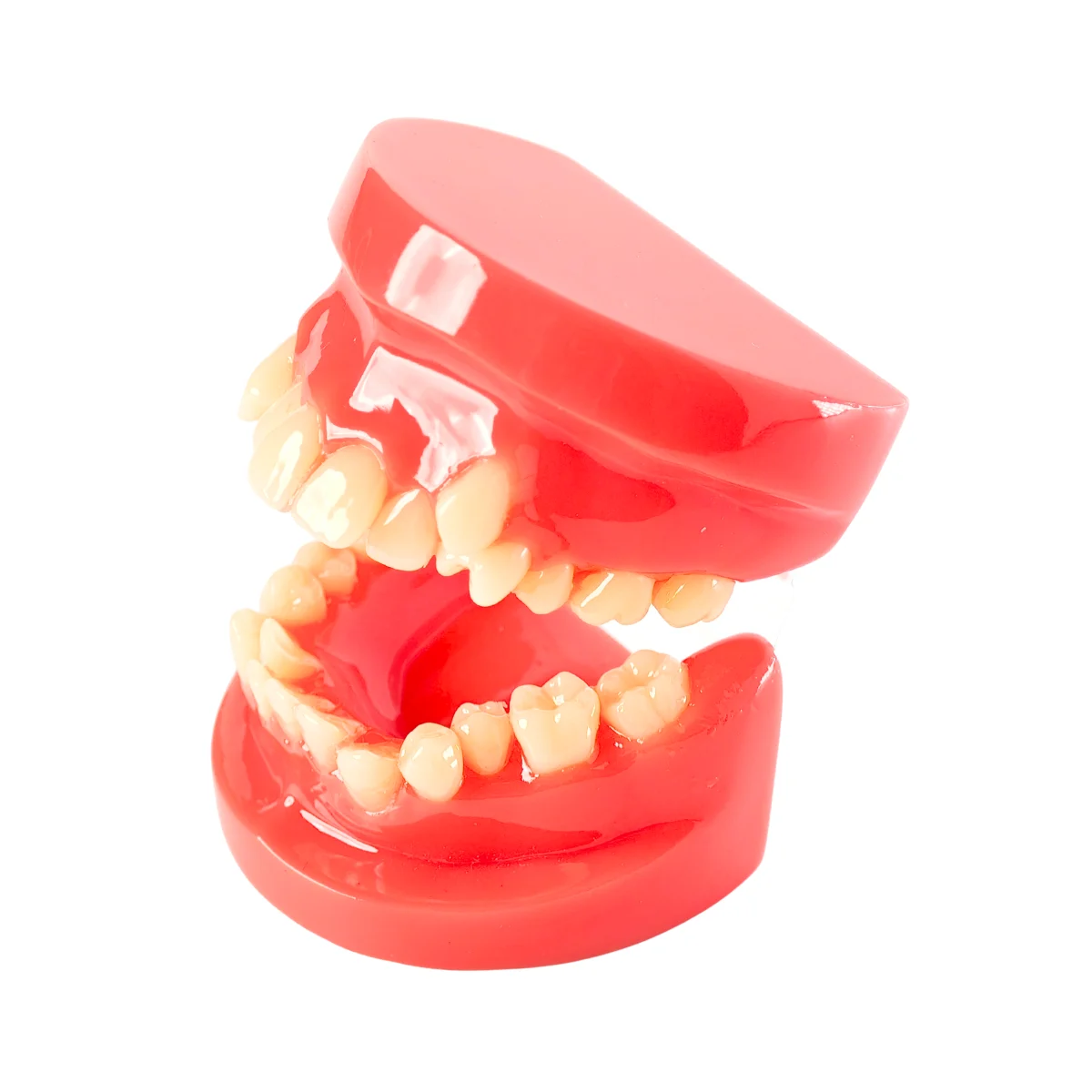
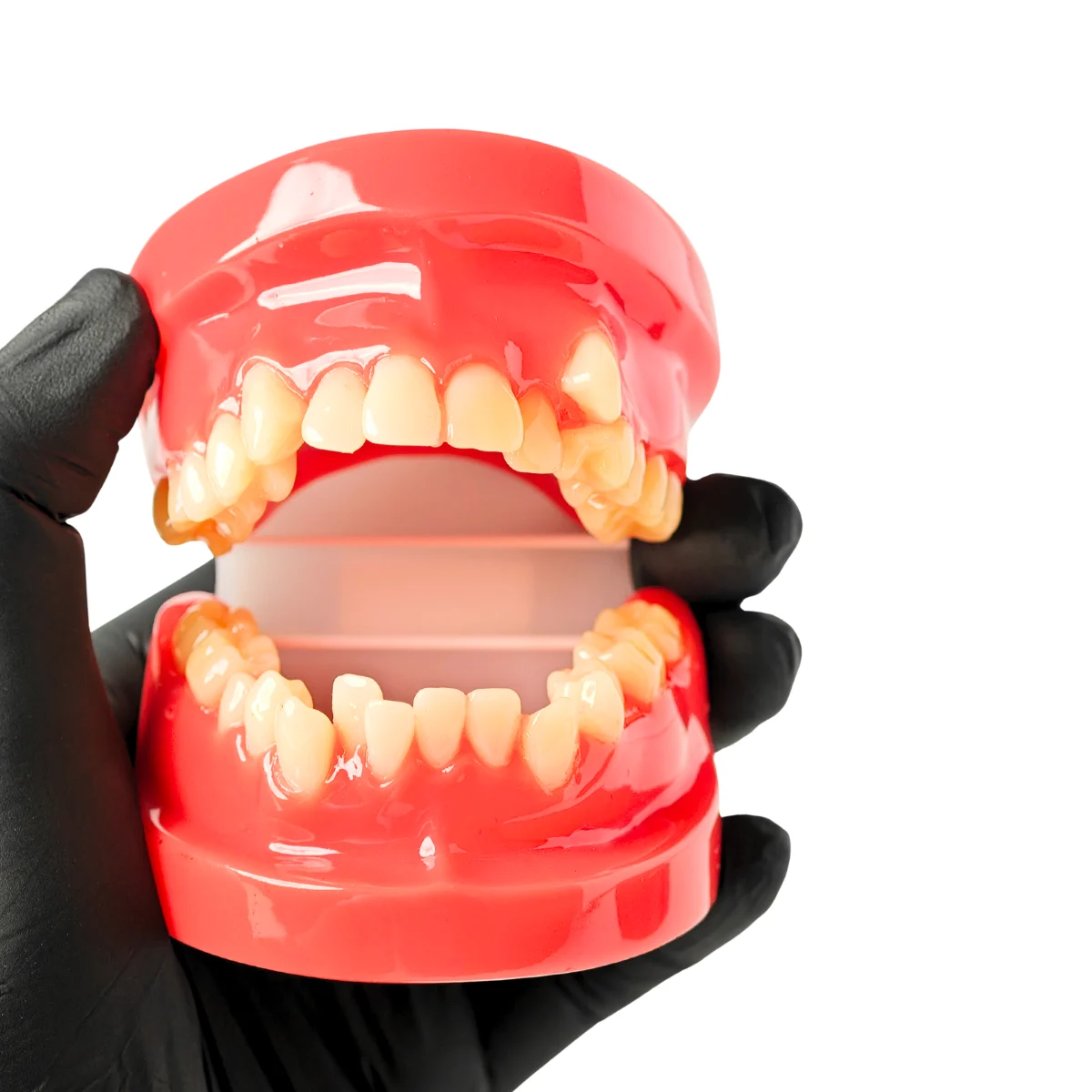
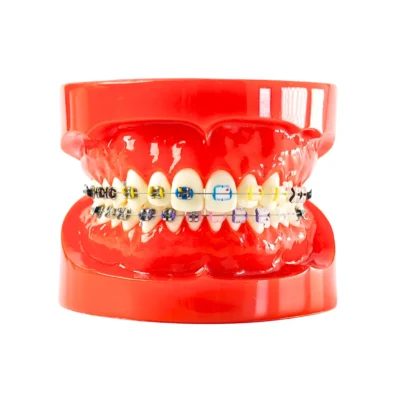
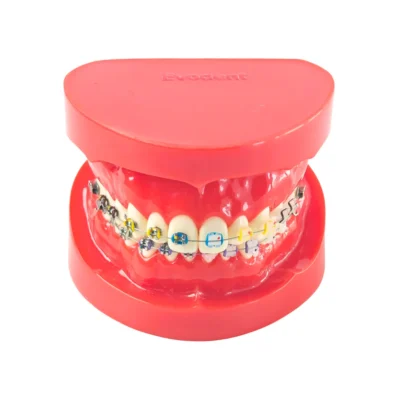
Evodent Class I Malocclusion Orthodontic Model for Patient Education, Pink
Original price was: ₹5,000.00 INR.₹2,775.00 INRCurrent price is: ₹2,775.00 INR.
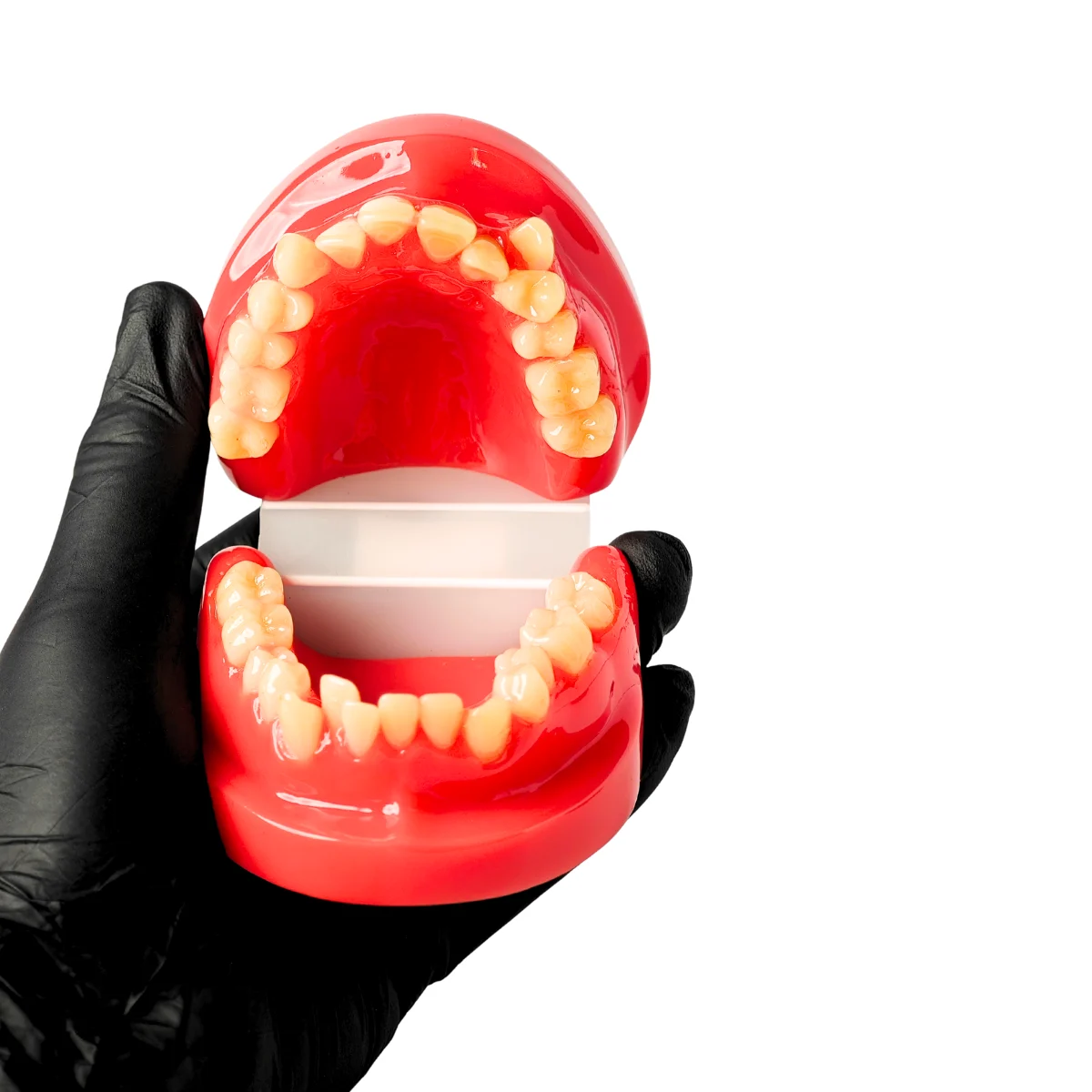
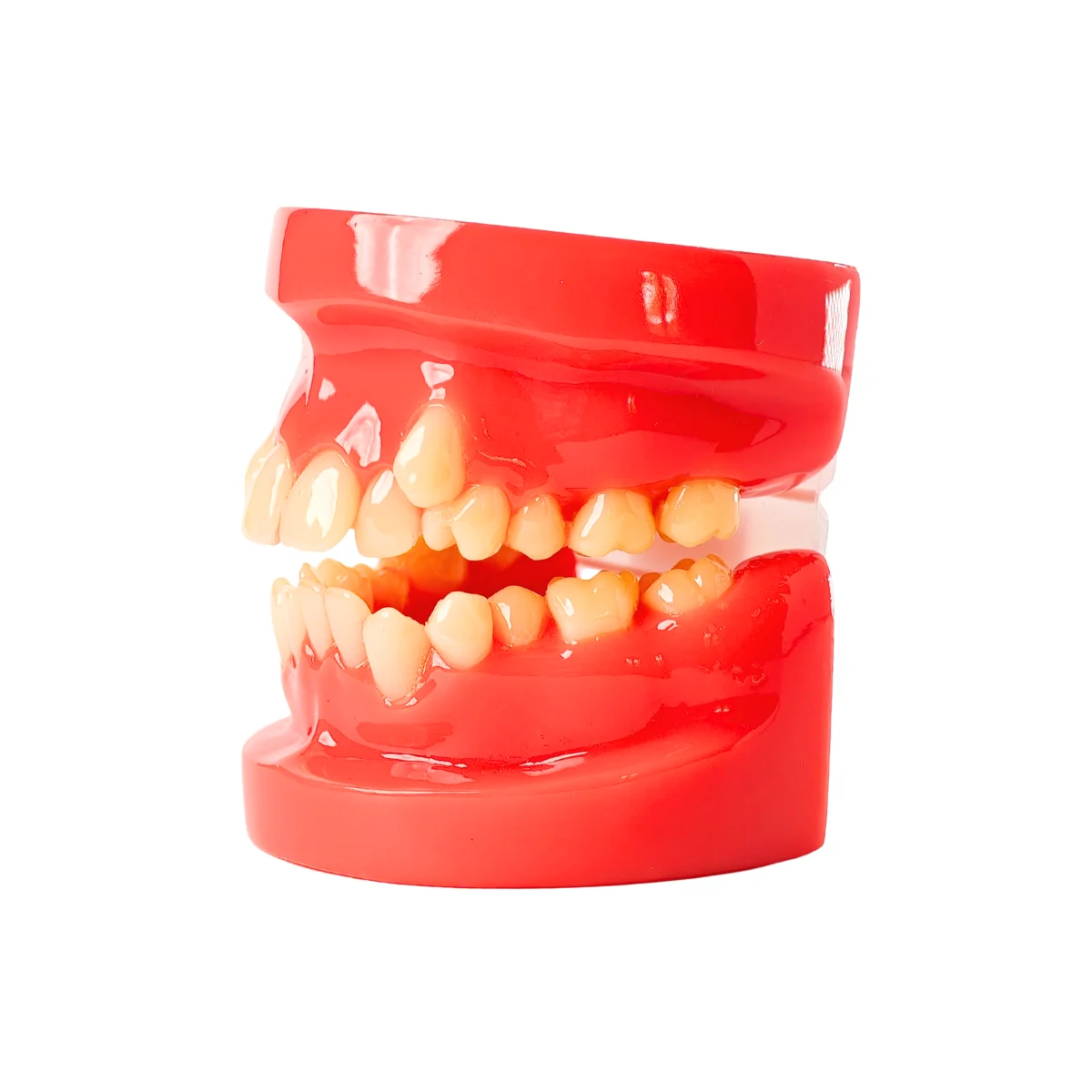
Evodent Class I malocclusion orthodontic model with pink gingiva for patient education, occlusion explanation, crowding demonstration and alignment consultation.
Out of stock
Shipping & Benefits
- International shipping available
- Tracking details shared by email
- Trusted by dental professionals worldwide
Description
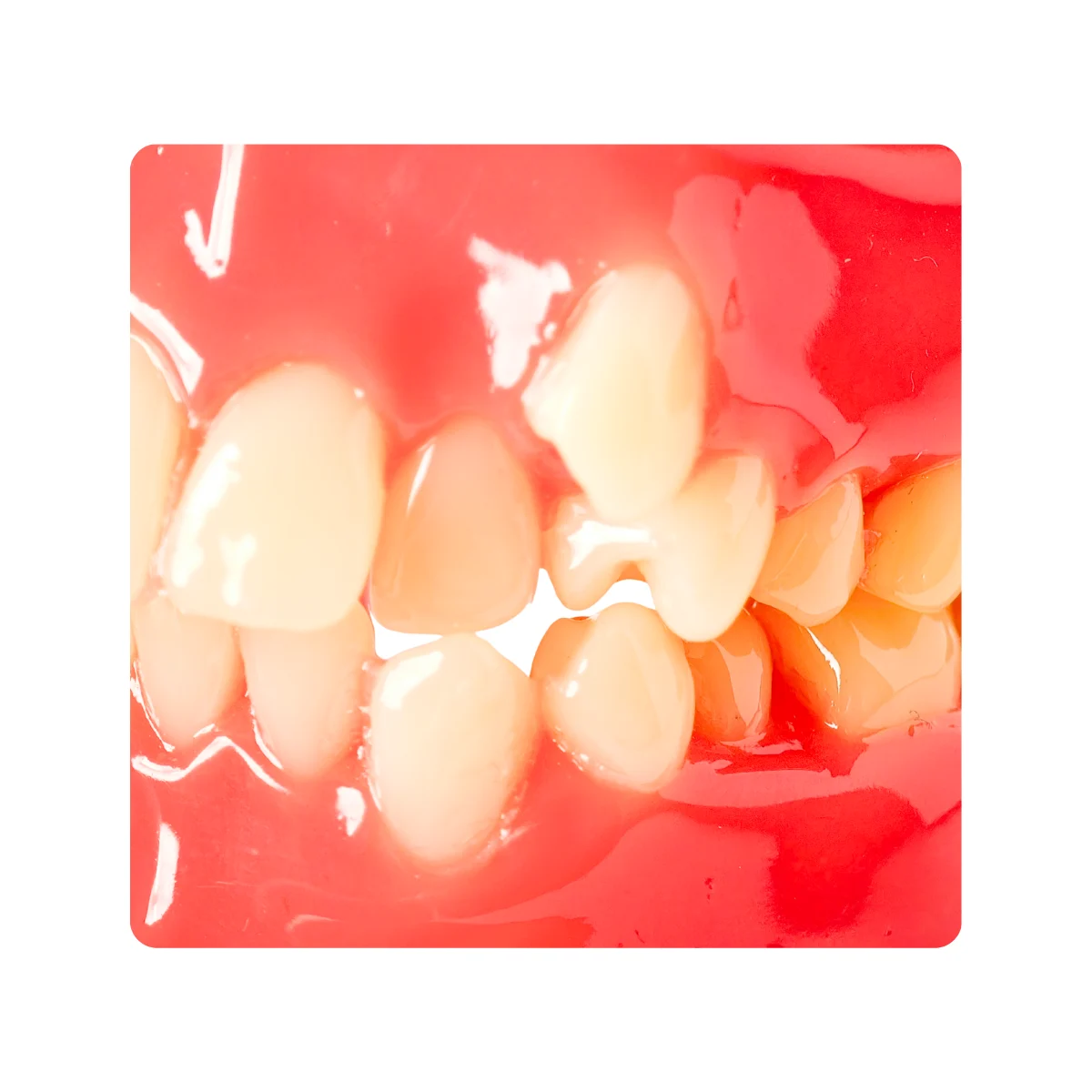
Evodent Class I Malocclusion Orthodontic Model is a pink gingiva patient education model used to explain Class I occlusion, tooth crowding, rotations and alignment concerns during orthodontic or dental consultations. It helps patients understand a common situation: the back bite relationship can be acceptable, but the front teeth may still be crowded or misaligned.
This model is made for clinic-side explanation. It gives dentists, orthodontists and treatment coordinators a simple physical reference when discussing braces, aligners, crowding correction and smile alignment with patients.
What Is a Class I Malocclusion?
Class I malocclusion means the upper and lower molars have a normal relationship, but the teeth may still be crowded, rotated or unevenly aligned. The jaw relationship is usually not the main issue. The tooth positions are.
This is why many patients with Class I cases say their bite feels normal, but they can still see crooked teeth, overlapping teeth or smile irregularities.
What This Patient Education Model Shows
- Class I molar relationship: Helps explain why the bite may be classified as Class I.
- Dental crowding: Shows how teeth can overlap or compete for space.
- Tooth rotations: Helps patients see individual tooth-position problems.
- Occlusion and alignment difference: Shows that a normal molar relationship does not always mean ideal tooth alignment.
- Pink gingiva: Makes the model easier for patients to relate to during consultation.
- Upper and lower arches: Allows open-mouth and closed-bite demonstration.
Why This Model Helps Patients Understand Treatment
Patients often agree with treatment more easily when they can see the reason for it. This model lets the clinician first show the bite relationship at the back, then move forward to explain crowding, rotations and alignment problems.
- Explains why braces or aligners may be needed even when the bite feels comfortable.
- Helps patients understand crowding without relying only on technical terms.
- Makes smile alignment discussions easier during consultation.
- Supports treatment coordinator conversations before or after the doctor consultation.
- Useful when comparing the patient’s photos, scans or mirror view with a physical model.
For Orthodontic and Dental Consultations
This Class I malocclusion model is useful during chairside orthodontic screening, braces consultation, aligner consultation and general dental referral discussions.
- Use it to show where crowding is present.
- Explain why alignment correction may be recommended.
- Compare it with intraoral photographs or digital scans.
- Help patients understand treatment goals before discussing appliances or timelines.
Common Patient Questions This Model Can Answer
- “If my bite is normal, why do I need braces?”
- “Why are my front teeth crowded?”
- “Can aligners correct this type of crowding?”
- “What is the difference between bite correction and tooth alignment?”
- “Why does one tooth look rotated?”
- “Will alignment treatment improve cleaning between teeth?”
Best Use in a Clinic
The model works best when used with the patient’s own intraoral photos, scan, radiograph or mirror examination. The clinician can point to the model first, then connect the same idea to the patient’s mouth.
- Start by showing the molar relationship.
- Move to the crowded or rotated front teeth.
- Explain that Class I does not always mean ideal alignment.
- Use the model while discussing braces, aligners or referral options.
- Keep it chairside for quick explanations during routine consultations.
Orthodontic Concepts This Model Can Explain
- Class I molar relationship
- Crowding in a Class I bite
- Rotated teeth and irregular alignment
- Difference between occlusion and tooth alignment
- Why a patient may need braces or aligners despite a normal molar relationship
- Smile alignment and cleaning difficulty caused by crowding
- Basic orthodontic case communication
Technical Specifications
- Product type: Class I malocclusion orthodontic patient education model
- Malocclusion type: Class I
- Demonstrates: Occlusion, crowding, tooth rotations and alignment irregularities
- Gingiva colour: Pink
- Dentition: Upper and lower permanent dentition
- Jaw function: Open and closed bite demonstration
- Primary use: Orthodontic and dental patient education
- Best for: Orthodontists, dentists, treatment coordinators and consultation rooms
FAQs – Evodent Class I Malocclusion Orthodontic Model
Q. What is the Evodent Class I Malocclusion Orthodontic Model used for?
A. It is used for patient education during orthodontic and dental consultations. It helps explain Class I occlusion, crowding, rotations and alignment concerns.
Q. What does Class I malocclusion mean?
A. Class I malocclusion means the molar relationship is generally normal, but the teeth may still be crowded, rotated or poorly aligned.
Q. How is this different from a normal occlusion model?
A. A normal occlusion model shows ideal alignment. This model shows a Class I molar relationship with visible crowding and tooth-position irregularities.
Q. Can this model help explain braces or aligner treatment?
A. Yes. It helps patients understand why alignment treatment may be recommended even when the back bite relationship appears acceptable.
Q. Is this mainly for patient education?
A. Yes. This model is primarily for patient education in orthodontic clinics, dental clinics and consultation rooms.
Q. Why does the model have pink gingiva?
A. Pink gingiva makes the model look closer to a real mouth, which helps patients understand the demonstration more easily.
Q. Who should buy this model?
A. It is best for orthodontists, general dentists, treatment coordinators and clinics that explain braces, aligners, crowding or smile alignment to patients.
You may also like…
- Sale!

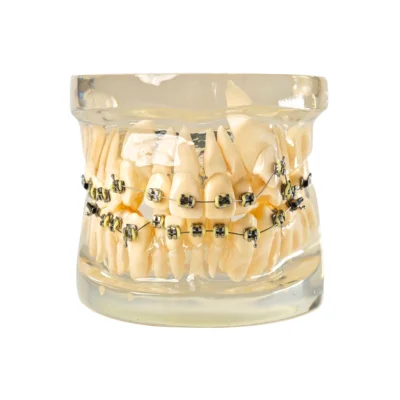
Evodent Orthodontic Model with Metal Brackets, Dental Braces Demonstration Model for Patient Education, Pink
Original price was: ₹6,000.00 INR.₹2,995.00 INRCurrent price is: ₹2,995.00 INR. - Sale!
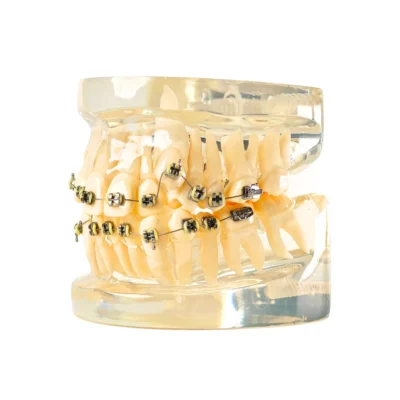
Evodent Signature Dental Malocculation Model with Metal Bracket, Patient Education Model
Original price was: ₹6,000.00 INR.₹3,495.00 INRCurrent price is: ₹3,495.00 INR. - Sale!
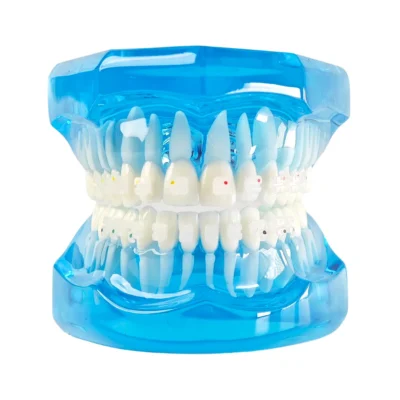
Evodent Orthodontic Model with Ceramic Brackets for Patient Education Model
Original price was: ₹5,000.00 INR.₹2,495.00 INRCurrent price is: ₹2,495.00 INR. - Sale!
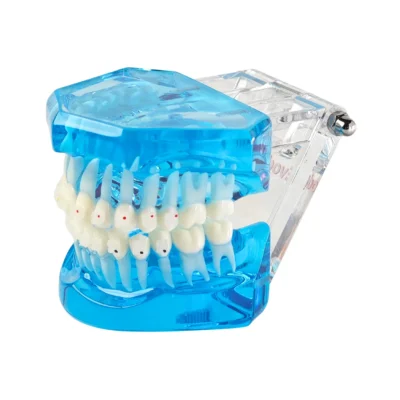
Evodent Metal vs Ceramic Brackets Comparison Model for Patient Education, Orthodontic Model with Half Meta and Half Ceramic Brackets
Original price was: ₹4,000.00 INR.₹2,495.00 INRCurrent price is: ₹2,495.00 INR.
Related products
- Sale!
Evodent Signature Half Metal Half Ceramic Orthodontic Model – Metal vs Ceramic Orthodontic Brackets Demonstration Model for Patient Education
Original price was: ₹10,000.00 INR.₹4,495.00 INRCurrent price is: ₹4,495.00 INR. - Sale!
Evodent Orthodontic Braces vs Aligners Comparison Model for Patient Education (Fixed Appliances vs Clear Aligners)
Original price was: ₹5,000.00 INR.₹2,995.00 INRCurrent price is: ₹2,995.00 INR. - Sale!
Evodent Orthodontic Patient Education Model with Metal Braces – Pink for Treatment Explanation
Original price was: ₹5,000.00 INR.₹2,495.00 INRCurrent price is: ₹2,495.00 INR. - Sale!
Evodent Plastic Teeth Set for Orthodontic Practice and Training
Original price was: ₹8,000.00 INR.₹1,995.00 INRCurrent price is: ₹1,995.00 INR.