
Orthodontic Models
Best Selling Orthodontic Models
Showing 1–12 of 22 results
-
Sale!
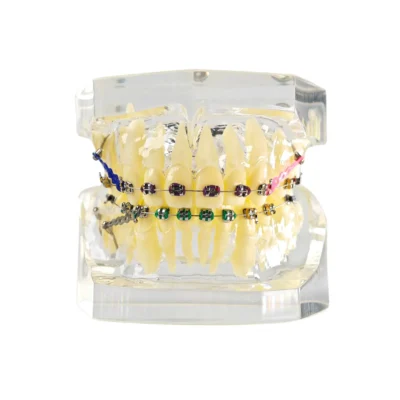
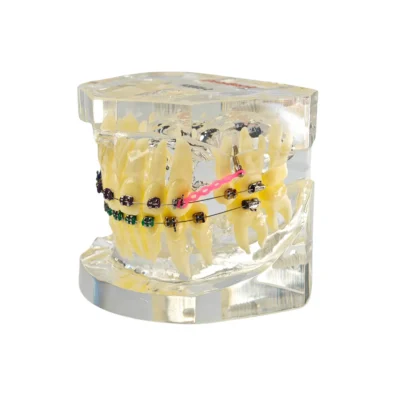
Evodent Orthodontic Demonstration Model with Metal Braces, Archwire and Power Chain
Original price was: ₹4,000.00.₹1,775.00Current price is: ₹1,775.00. -
Sale!
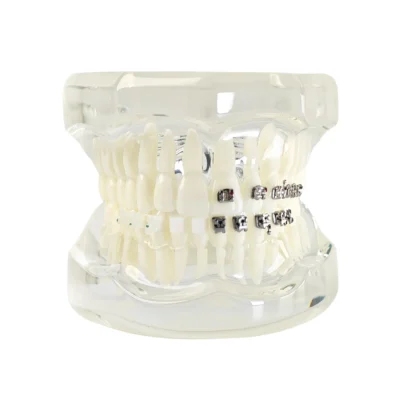
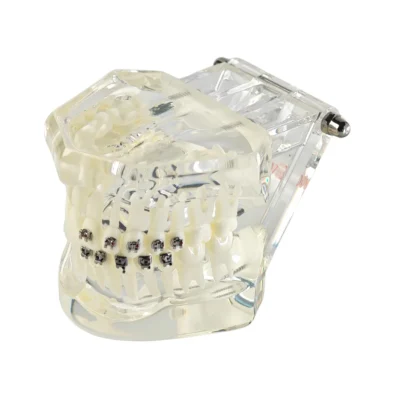
Evodent Four in One Orthodontic Bracket Types Demonstration Model – Metal, Ceramic, Self-Ligating & Lingual Braces
Original price was: ₹10,000.00.₹4,995.00Current price is: ₹4,995.00. -
Sale!
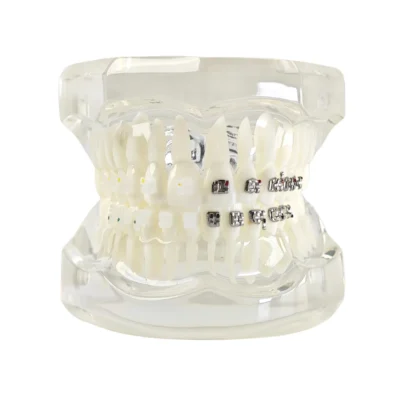
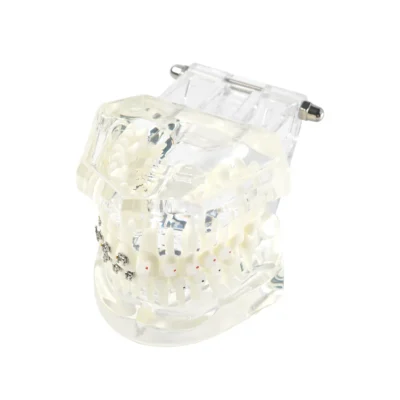
Evodent Orthodontic Model with Metal and Ceramic Brackets for Patient Education, Metal vs Ceramic Brackets Comparison Model
Original price was: ₹5,000.00.₹2,995.00Current price is: ₹2,995.00. -
Sale!
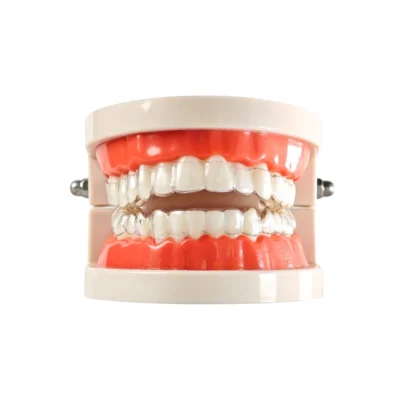
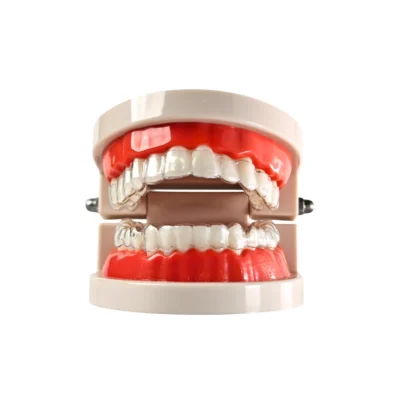
Evodent Clear Aligner Model – Dental Patient Education Model for Orthodontic Aligners and Treatment Explanation
Original price was: ₹2,000.00.₹599.00Current price is: ₹599.00. -
Sale!
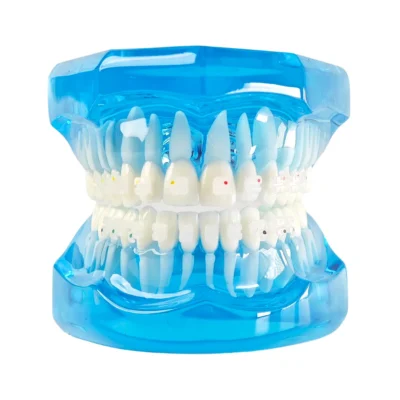
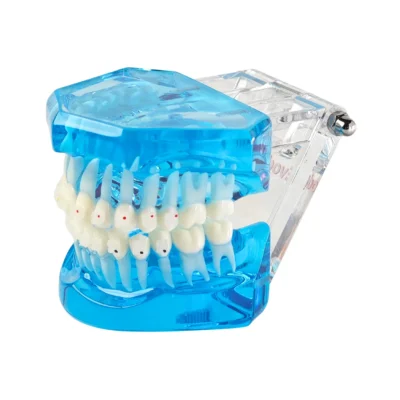
Evodent Orthodontic Model with Ceramic Brackets for Patient Education Model
Original price was: ₹5,000.00.₹2,495.00Current price is: ₹2,495.00. -
Sale!
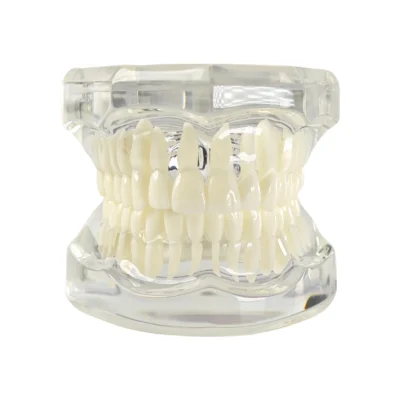
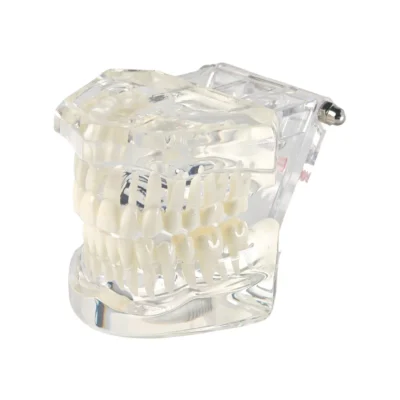
Evodent Ideal Dental Anatomy Model for Patient Education – Teeth Demonstration Model for Dental Clinics
Original price was: ₹5,000.00.₹1,995.00Current price is: ₹1,995.00.Select options This product has multiple variants. The options may be chosen on the product page -
Sale!
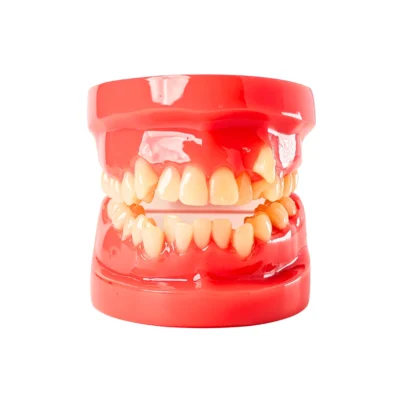
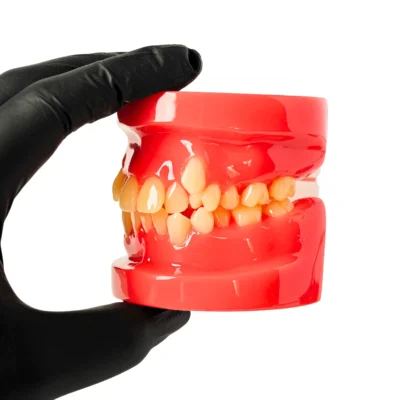
Evodent Class I Malocclusion Orthodontic Dental Model – Occlusion and Alignment Demonstration, Pink
Original price was: ₹5,000.00.₹2,775.00Current price is: ₹2,775.00. -
Sale!
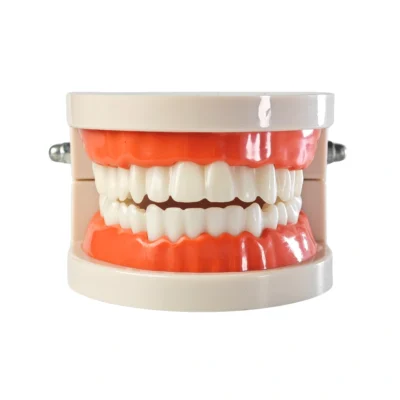
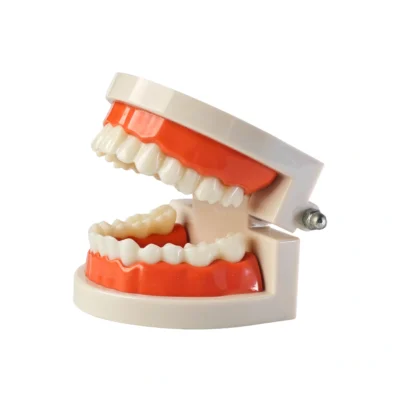
Evodent Ideal Dental Model, For Patient Education – Full Mouth Demonstration Model
Original price was: ₹750.00.₹350.00Current price is: ₹350.00. -
Sale!
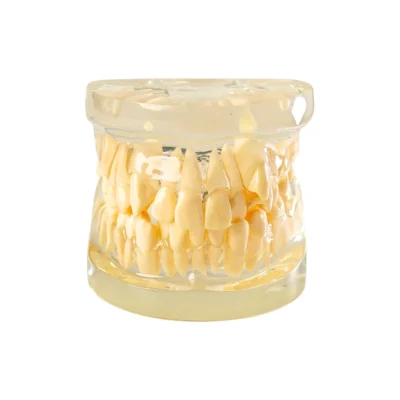
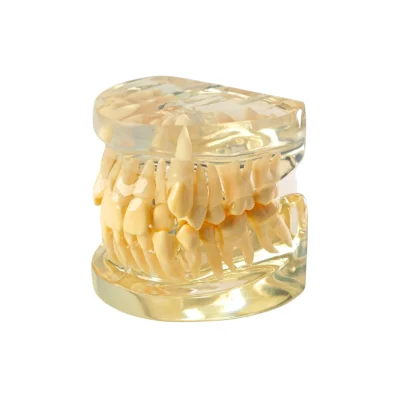
Evodent Class I Malocclusion Dental Model – Orthodontic Occlusion Demonstration Model for Patient Education
Original price was: ₹5,000.00.₹2,775.00Current price is: ₹2,775.00. -
Sale!
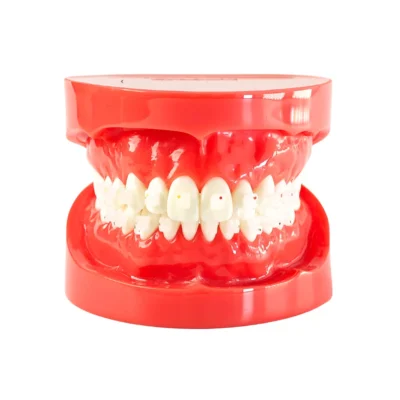
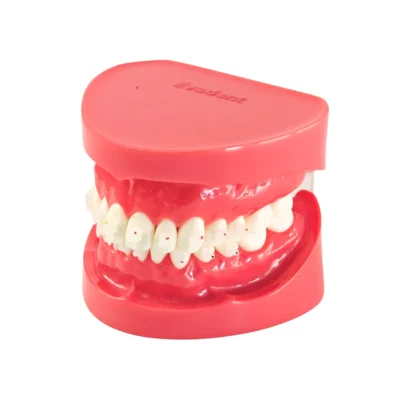
Evodent Orthodontic Model with Ceramic Bracket
Original price was: ₹4,000.00.₹1,995.00Current price is: ₹1,995.00. -
Sale!
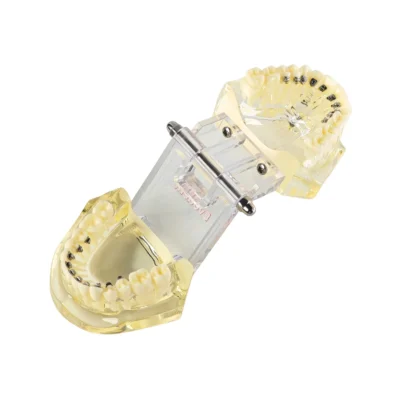
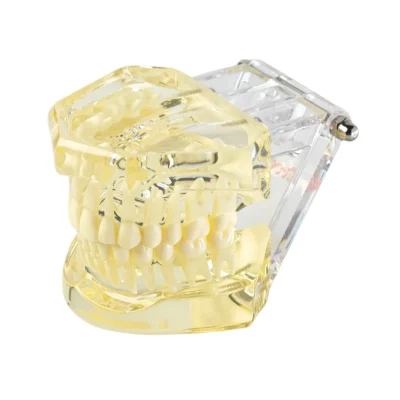
Evodent Lingual Braces Orthodontic Model – Lingual Orthodontic Demonstration Model for Patient Education
Original price was: ₹10,000.00.₹3,495.00Current price is: ₹3,495.00. -
Sale!
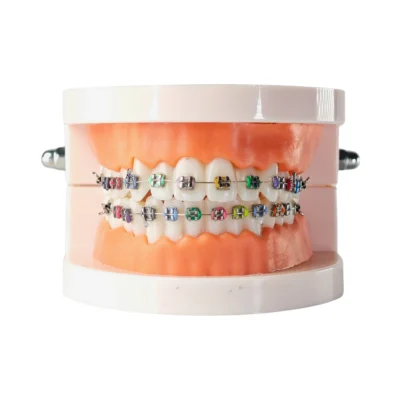
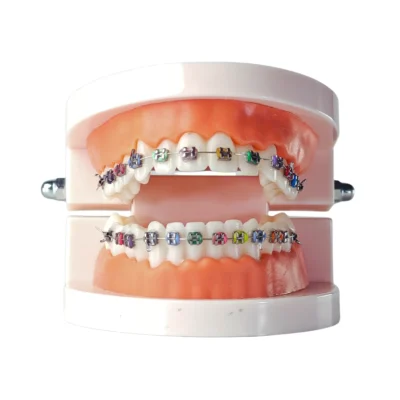
Evodent Orthodontic Model with Metal Braces with Colorful Ligatures, Patient Education Typodont
Original price was: ₹2,000.00.₹999.00Current price is: ₹999.00.
What Are Orthodontic Models?
Orthodontic models are used to demonstrate malocclusions, crowding, spacing, bite issues, bracket placement, archwire mechanics, and orthodontic treatment planning. Dentists and orthodontists use these models to help patients visualize how teeth move and how treatments like braces, aligners, or appliances work.
Evodent orthodontic models are designed with lifelike tooth anatomy and realistic malocclusions, making them perfect for both patient education and orthodontic training.
Why Dentists and Orthodontists Prefer Evodent Orthodontic Models?
When patients see the problem they understand treatment better. Orthodontic models help simplify complex concepts such as tooth movement, bite correction, and appliance functionality. With orthodontic models orthodontists can:
- Explain crowding, spacing, open bite, crossbite, and deep bite clearly
- Demonstrate how braces and archwires apply force
- Show aligner treatment step by step
- Illustrate before and after transformations
- Improve case acceptance through visual communication
- Speed up consultation time
- Reduce confusion and anxiety for first-time orthodontic patients
What Makes Evodent Orthodontic Models Unique?
Evodent models are built for daily clinic use with durable materials and precise anatomical detailing. Every model includes realistic features such as:
- Accurate tooth morphology
- High clarity visualization of malocclusions
- Proper bracket positioning (for bracketed models)
- Archwire mechanics for patient explanation
- High contrast gums and teeth for visual clarity
- Strong joints designed for repeated demonstrations
Our orthodontic models are widely used across India by orthodontists, dental colleges and specialty clinics for both education and case presentations.
Who Should Use These Models?
Evodent orthodontic models are ideal for:
- Orthodontists explaining treatment plans
- Dentists who offer basic orthodontic consultations
- Dental colleges teaching orthodontics, wire bending & biomechanics
- Clinics providing braces or aligner services
- Training centers teaching bracket placement & appliance mechanics
- Clinics educating parents and young patients before starting treatment
If your practice deals with orthodontic cases these orthodontic models become essential.
When Should Orthodontic Models Be Used?
Use these models during:
- New patient orthodontic consultations
- Pre-treatment counseling for braces or aligners
- Parent/patient education for teens
- Demonstrating appliance mechanics (brackets, wires, elastics)
- Treatment progress discussions
- College demonstrations for orthodontic classes
Visual explanation dramatically improves clarity and acceptance, especially for complex corrections like Class II or Class III malocclusions.
Why Orthodontic Models Improve Case Acceptance?
Most patients cannot visualize:
- Why teeth are crowded
- Why their bite is misaligned
- Why elastics or archwire changes are needed
- Why treatment takes many months
These models make everything obvious:
- They see crowding → They understand the need for expansion or alignment
- They see bite problems → They understand why braces/aligners are needed
- They see tooth movement direction → They understand treatment mechanics
A clear model = a confident patient = higher acceptance.
Choosing the Right Evodent Orthodontic Model
Evodent offers multiple orthodontic models designed for different teaching and patient-education needs. Choosing the right one depends on what you want to explain during a consultation or classroom session.
1. Bracket Model (Braces Demonstration Model)
Perfect for clinics that offer metal or ceramic braces.
Use this model to show:
- How brackets are bonded to teeth
- How archwires apply force
- How elastics, power chains and ligature colors work
- How braces gradually move teeth into alignment
Great for explaining treatment mechanics to both teens and parents.
2. Aligner Model (Clear Aligner Demonstration Model)
Ideal for clinics offering Invisalign-type or clear aligner treatments. Use this model to demonstrate:
- How aligners fit over teeth
- How staged tooth movement works
- Why patients need multiple trays
- Attachments, engagers and refinements
Visually explains why aligners need consistent wear for best results.
3. Malocclusion Model (Bite Problem Demonstration Model)
Designed to show real-world orthodontic issues such as:
- Crowding
- Spacing
- Deep bite
- Open bite
- Crossbite
- Class II / Class III discrepancies
Perfect for helping patients see the problem and understand why orthodontic correction is necessary.
4. Orthopedic / TMJ Model
This model is designed for explaining:
- Temporomandibular joint anatomy
- Mandibular movement
- Joint disorders (TMD)
- How occlusion affects joint health
- Orthopedic correction in growing patients
Very useful for prosthodontists, orthodontists, and TMJ clinics.
Quick Comparison (Which model is right for you?)
Bracket Model: Best for braces explanation, power chains, and alignment mechanics
Aligner Model: Best for Invisalign/clear aligner step-by-step demos
Malocclusion Model: Best for showing bite issues like crowding, spacing, deep bite
TMJ Model: Best for jaw movement, joint disorders, orthodontic growth guidance
Most orthodontic clinics keep 2–3 different models to cover braces, aligners, and bite issues during consultations.
Perfect for Clinics, Colleges & Training Centers
Evodent orthodontic models are trusted by:
- Leading orthodontists
- Clinics offering braces, ceramic brackets, or aligners
- Dental colleges teaching orthodontics
- Training centers focused on clinical orthodontics
Our models are built to withstand daily handling and repeated demonstration