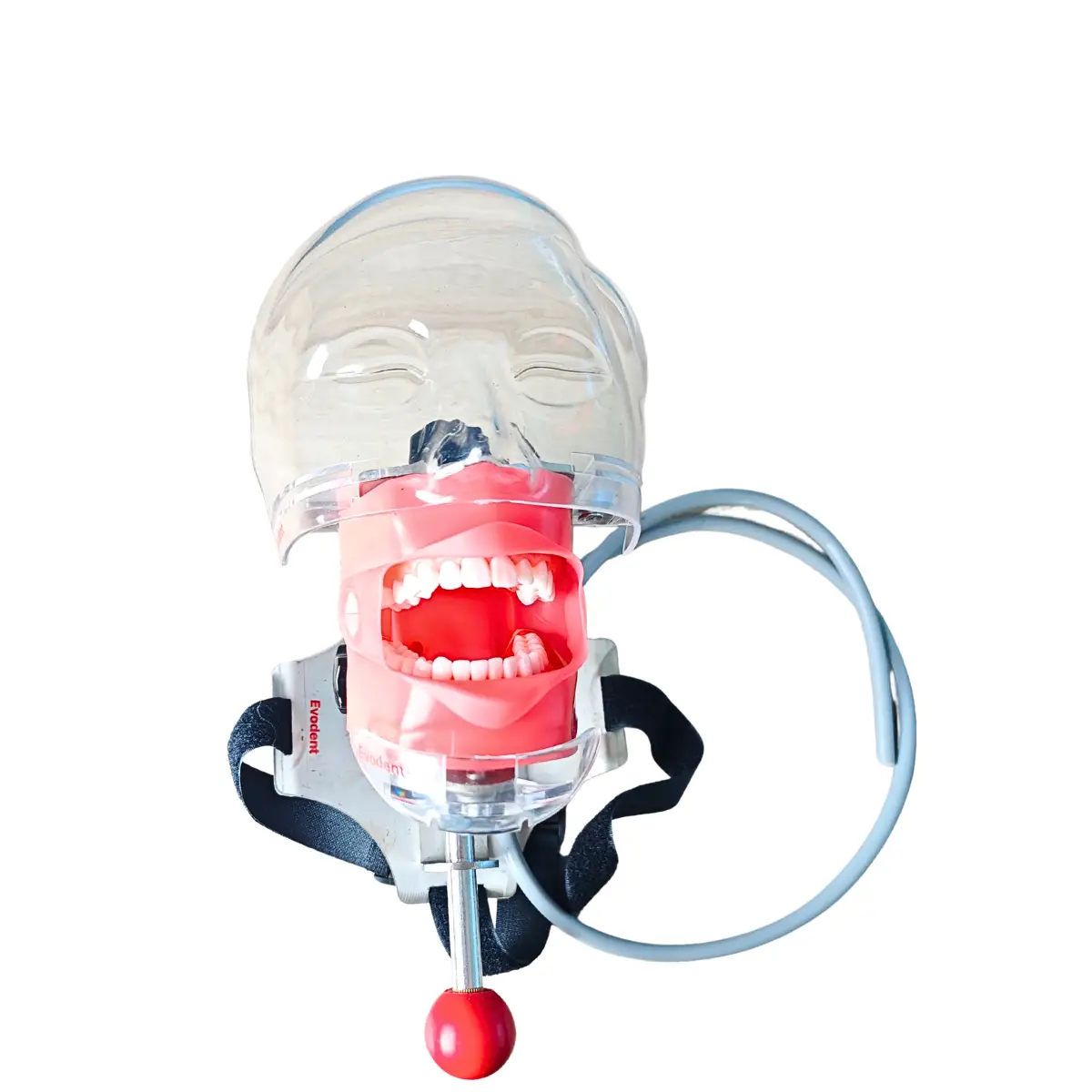
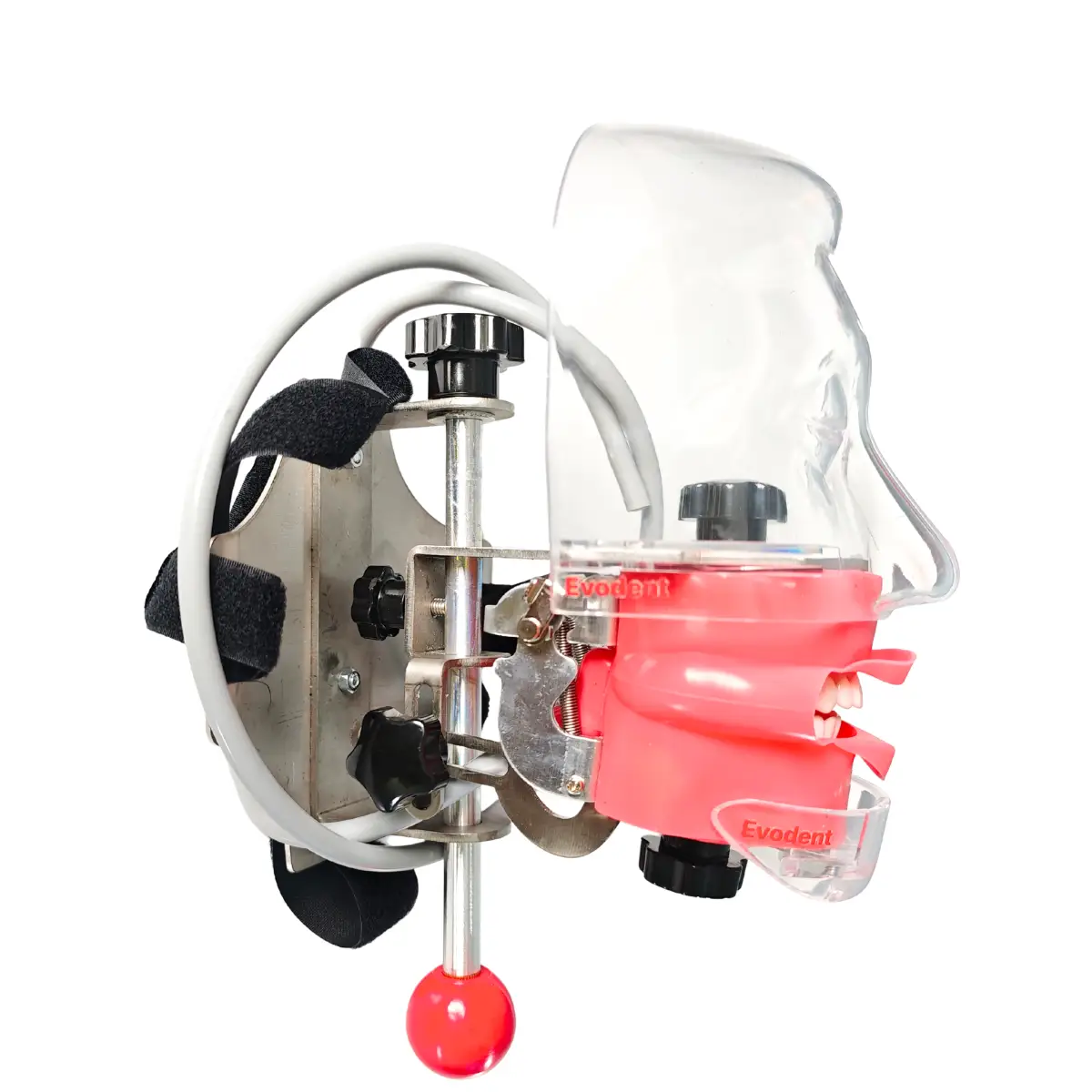
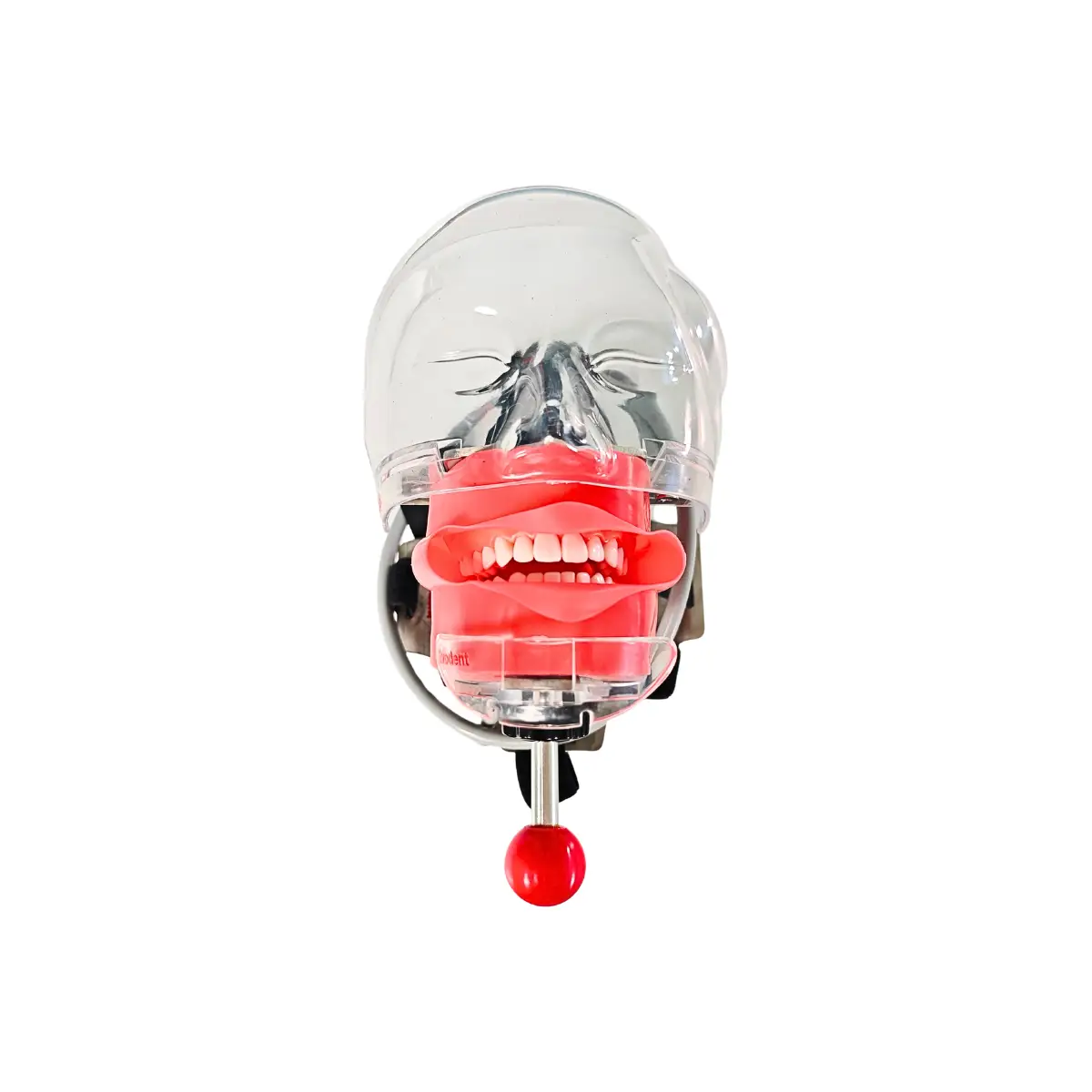
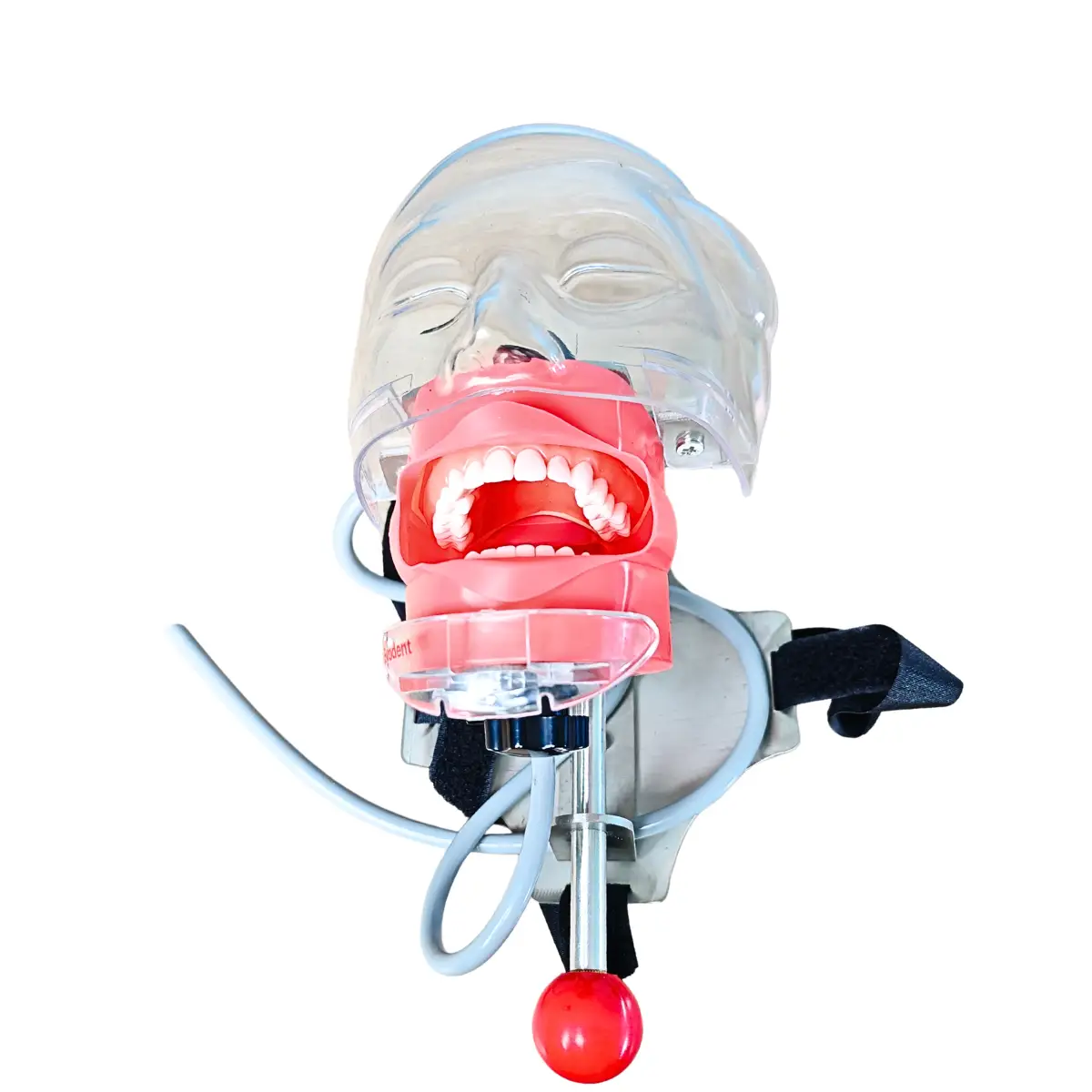
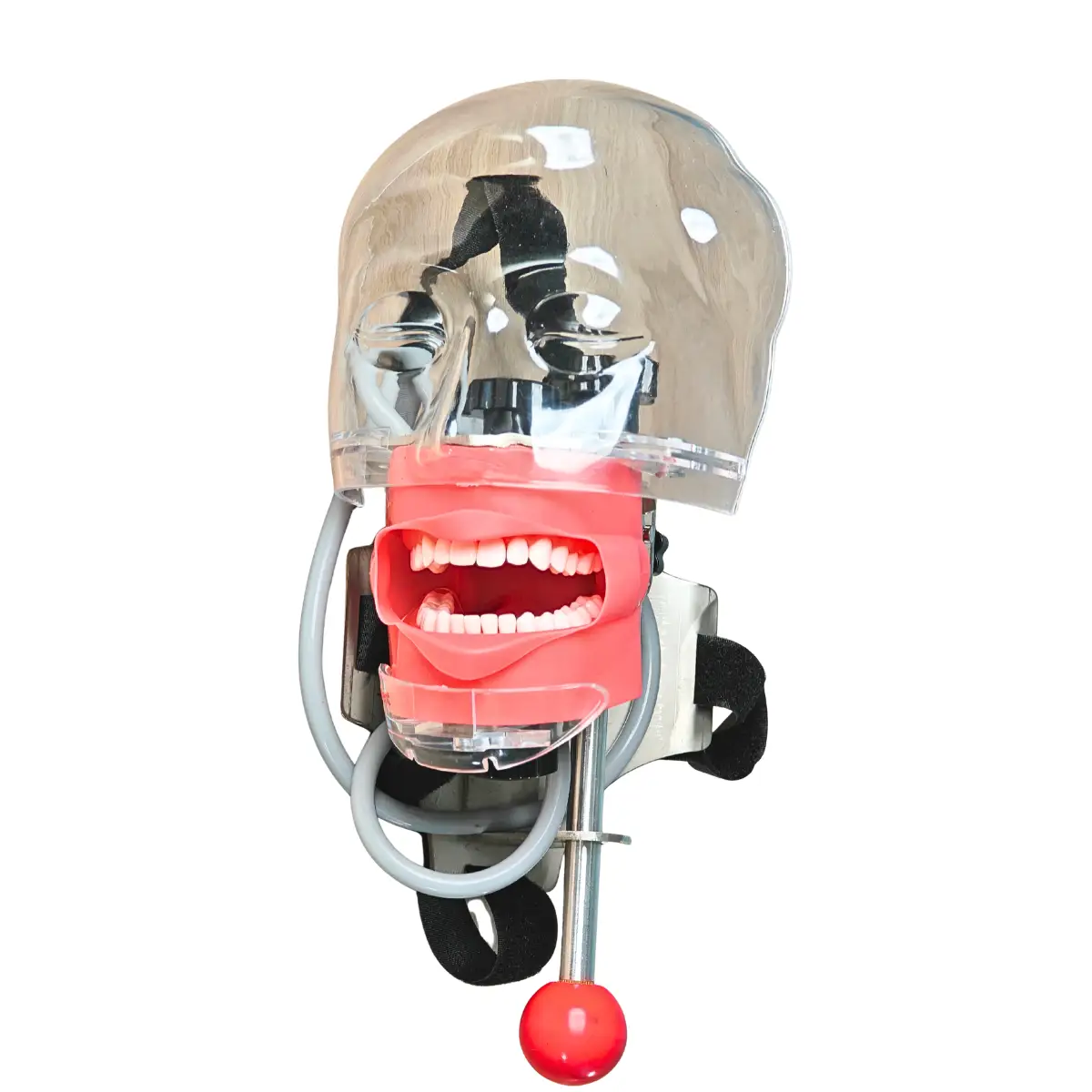
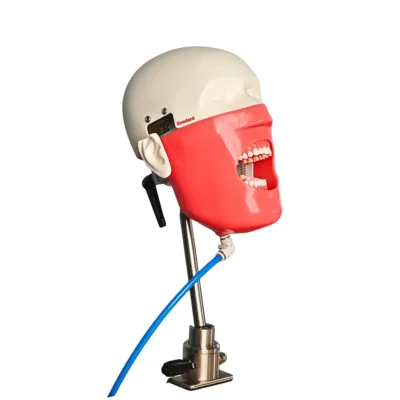
Evodent Screw Type Dental Chair Mount Phantom Head Manikin – Typodont Training Simulator
Original price was: ₹20,000.00 INR.₹14,995.00 INRCurrent price is: ₹14,995.00 INR.
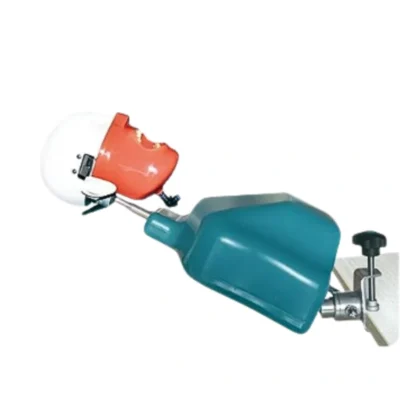
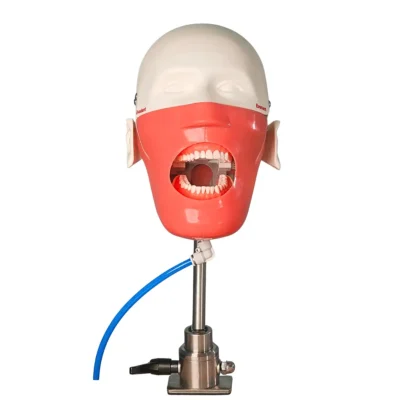
Screw type dental phantom head that mounts on a dental chair for realistic typodont practice, patient positioning and pre-clinical training.
Out of stock
Shipping & Benefits
- International shipping available
- Tracking details shared by email
- Trusted by dental professionals worldwide
Description
The Evodent Screw Type Dental Chair Mount Phantom Head Manikin turns a suitable dental chair into a practical pre-clinical training station. It allows students to practice with a compatible typodont in a chairside position while developing operator positioning, mirror use, instrument access and other skills that are difficult to reproduce with a typodont on a desk.
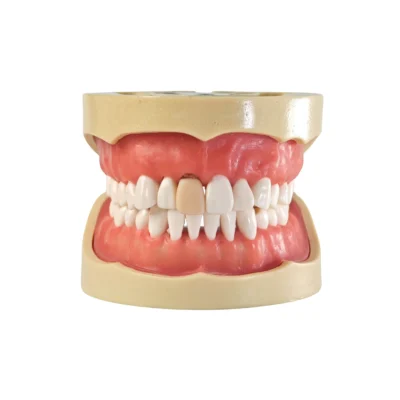
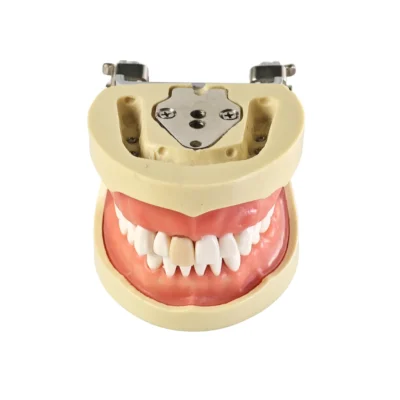
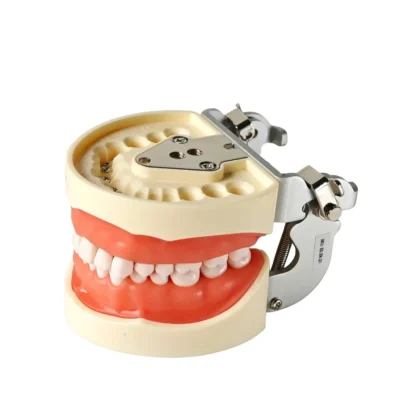
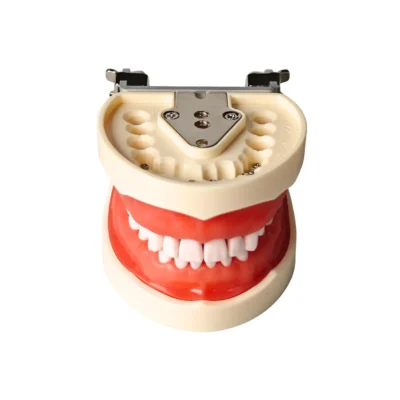
The system uses screw-type typodont fixation with a compatible articulator and supports Evodent 200 PRO, 200 CORE, Atlas and many suitable Nissin, Frasaco and similar top-hole typodont systems.
For dental students, practical exam candidates and training centers, it provides a useful step between basic typodont exercises and more realistic pre-clinical dental simulation.
Why Practice With a Dental Chair-Mounted Phantom Head?
A typodont is useful for learning procedures on teeth. But when it is held in the hand or placed flat on a desk, the learner can move the model whenever access becomes difficult. That is very different from working on a patient. A dental chair mount phantom head allows the student to practice around the dental chair and develop skills that are easy to overlook during ordinary desktop practice:
- Correct operator positioning
- Patient positioning using the dental chair
- Direct and indirect vision
- Mirror positioning
- Finger rests and hand support
- Instrument access
- Bur orientation and control
- Working around anterior and posterior regions
- Hand-eye coordination
- Maintaining a practical working posture
- Using the operating light together with the chair
- Completing procedures without constantly moving the typodont
The aim is not simply to finish a preparation. It is to learn to perform the procedure from a more realistic working position. This makes chair-mounted phantom head practice especially valuable as students move from basic pre-clinical exercises toward clinical work and practical examinations.
Screw Type Dental Phantom Head & Typodont Compatibility
This model uses a mechanical screw mounting system rather than a magnetic typodont connection. A compatible typodont is secured through its top mounting point and used with a suitable articulator.
- Typodont fixation: Screw type
- Articulator: Required
- Recommended articulator: Evodent FE Articulator
- Mounting style: Dental chair mounted
- Suitable typodont type: Compatible models with an appropriate top mounting hole
The screw-type design is particularly practical for students who already use conventional typodont and articulator systems and want to build a chair-mounted dental simulation setup around them.
Compatible Evodent Typodonts
The phantom head is compatible with:
- Evodent 200 PRO SG
- Evodent 200 PRO SG TN
- Evodent 200 PRO HG
- Evodent 200 CORE SG
- Evodent 200 CORE SG TN
- Evodent 200 CORE HG
- Evodent Atlas
- Evodent Atlas Pedo
It can also be used with many compatible:
- Nissin typodont models
- Frasaco typodont models
- Other dental training models with a suitable top mounting hole and articulator arrangement
Third-party model designs can vary. If you already own a Nissin, Frasaco or another typodont and are unsure about compatibility, check the exact mounting arrangement before ordering.
Who Is This Dental Training Manikin For?
This phantom head is most useful for learners who have access to a dental chair and want to practice in a more realistic chairside environment. It is particularly suitable for:
- Dental students who want additional pre-clinical practice
- Students preparing for practical dental examinations
- International dental exam candidates who need repeated manikin practice
- Private dental training institutes
- Hands-on dental courses and workshops
- Dental professionals practicing or demonstrating techniques
- Training stations built around an existing dental chair
For students, the main advantage is that procedural practice and positioning practice happen together. Instead of only asking, “Did I prepare the tooth correctly?”, the learner can also consider:
- Was my working position practical?
- Could I see the area properly?
- Was I relying too much on direct vision?
- Was my mirror positioned correctly?
- Could I access the posterior area without moving the model unnaturally?
- Was my chair and operator position appropriate?
Those are exactly the skills that a loose typodont cannot teach as effectively. The benefit is that students can evaluate not only the preparation itself, but also their visibility, mirror use, access, posture and operator position while performing it.
Practical & International Dental Exam Practice
Students preparing for practical assessments can use the system for repeated and timed manikin-based exercises. Depending on the typodont and examination requirements, practice may include:
- Cavity preparation
- Crown preparation
- Tooth reduction
- Bridge preparation
- Mirror-assisted work
- Instrument control
- Patient/manikin positioning
- Operator positioning
- Time management
- Repeating the same procedure under consistent conditions
The exact typodont, teeth and equipment required can vary between examinations. Always check the current requirements of the examination you are preparing for.
What Can You Practice With This Phantom Head?
The phantom head creates the training environment. The typodont, teeth, articulator and instruments determine which procedures can actually be performed.
Depending on the training model being used, the system can support:
Operative & Restorative Practice
- Cavity preparation
- Tooth preparation
- Restorative exercises
- Bur positioning and control
- Instrument access
- Direct and indirect vision
Crown, Bridge & Prosthodontic Practice
- Crown preparation
- Bridge preparation
- Tooth reduction
- Posterior access
- Working-angle control
- Mirror-assisted procedures
Periodontal & Instrumentation Practice
- Scaling exercises
- Instrument adaptation
- Finger rests
- Mirror positioning
- Access to different regions of the mouth
- Instrument handling
General Pre-Clinical Skills
- Dental ergonomics
- Operator positioning
- Chairside positioning
- Instrument handling
- Hand-eye coordination
- Demonstrations
- Repeated hand-skill practice
- Timed practical exercises
- Dental manikin practice
Because the phantom head is mounted on a dental chair, the learner can practice these procedures while also paying attention to the way they position themselves around the simulated patient.
Why Choose a Chair Mount Instead of a Bench Mount?
Both systems are useful, but they solve different problems.
Choose a dental chair mount phantom head when:
- You already have access to a dental chair
- Patient positioning is an important part of your training
- You want to practice working around the chair
- You want a more chairside-oriented simulation
- You are preparing for procedures where access and operator position matter
- You want to use the dental chair and operating light as part of the training setup
A bench-mounted phantom head may be more suitable when:
- A dental chair is not available
- You mainly need a compact desktop practice station
- Portability matters more than chairside simulation
- Your priority is repeated typodont practice rather than dental-chair positioning
Neither design is universally better. The right choice depends on where and how you plan to practice.
For a student who already has access to a suitable dental chair, this chair-mounted model creates a more clinically relevant training environment than a typodont used on a desk.
Water-Based Practice & Drainage
The phantom head includes provision for drainage, allowing suitable water-based training exercises to be performed when the complete setup is arranged correctly.
This may be useful during procedures involving:
- Rotary instruments
- Water spray
- Cavity preparation
- Tooth preparation
- Crown preparation
Before starting:
- Position the drainage tube correctly
- Direct drainage to a suitable collection point
- Check the setup before turning on water
- Keep surrounding equipment protected from uncontrolled water
- Confirm that the selected typodont and training components are suitable for the procedure
How to Set Up & Use the Phantom Head
The setup is straightforward:
- Mount the phantom head securely to a suitable dental chair using the chair-mounting arrangement.
- Fit the compatible articulator. The Evodent FE Articulator is recommended.
- Install the typodont using the screw mounting system.
- Check the complete assembly before beginning practice. The typodont, articulator and mounting connection should all be secure.
- Position the dental chair according to the exercise you want to practice.
- Arrange your operator chair, light and instruments as you would during clinical work.
- Set up drainage before using water spray where required.
- Begin the exercise while maintaining realistic access, visibility and operator positioning.
A useful habit is to avoid repositioning the setup simply because a tooth becomes difficult to access. Use the exercise to practice how you would solve the same visibility or access problem clinically.
Key Benefits
- Mounts on a suitable dental chair for chairside simulation
- Screw-type fixation for compatible typodont systems
- Designed for use with an articulator
- Compatible with multiple Evodent typodont ranges
- Works with many suitable Nissin, Frasaco and similar models
- Helps students practice operator and patient positioning
- Supports direct and indirect vision training
- Useful for pre-clinical dental practice
- Suitable for repeated manikin and practical exam exercises
- Supports operative, restorative, prosthodontic and instrumentation practice
- Drainage provision for suitable water-based exercises
- Makes better use of an existing dental chair as a training station
Before You Order
To avoid compatibility problems, check three things before purchasing:
- Dental chair: The chair must have a suitable mounting arrangement for the phantom head.
- Typodont: The model should have a compatible top mounting point for screw fixation.
- Articulator: A suitable articulator is required; the Evodent FE Articulator is recommended.
If you already own a third-party typodont or are unsure about your dental chair configuration, confirm the exact model and mounting arrangement before ordering.
Technical Specifications
- Product Type: Dental phantom head / dental training manikin
- System Type: Screw type
- Mounting Type: Dental chair mount
- Typodont Fixation: Screw mounting system
- Typodont Mounting: Compatible top-hole arrangement
- Articulator: Required
- Recommended Articulator: Evodent FE Articulator
- Training Setup: Dental chair-based simulation
- Main Support: Metal mounting structure
- Face Mask: Flexible simulation face mask
- Head Cover: Transparent simulation head cover
- Drainage: Provision for suitable water-based training
- Compatible Typodonts: Selected Evodent and compatible third-party typodont systems
- Primary Use: Pre-clinical dental simulation and typodont practice
- Recommended Users: Dental students, practical examination candidates, training centres and dental professionals
- Training Applications: Operative, restorative, prosthodontic, instrumentation, ergonomics and general pre-clinical practice
FAQs – Evodent Screw Type Dental Chair Mount Phantom Head
Q. What is a dental chair mount phantom head used for?
A. A dental chair mount phantom head allows students to practice typodont procedures while working around a dental chair. It helps combine procedural practice with patient positioning, operator posture, mirror use, instrument access and other chairside skills.
Q. Does this phantom head require an articulator?
A. Yes. A compatible articulator is required for the intended setup. The Evodent FE Articulator is recommended.
Q. Which typodonts are compatible with this phantom head?
A. Compatible Evodent models include 200 PRO SG, 200 PRO SG TN, 200 PRO HG, 200 CORE SG, 200 CORE SG TN, 200 CORE HG, Atlas and Atlas Pedo. Many Nissin, Frasaco and similar typodonts with a suitable top mounting arrangement may also be used.
Q. What is the difference between this model and a bench-mounted phantom head?
A. This model mounts on a suitable dental chair, allowing the chair to become part of the training setup. A bench-mounted model attaches to a table or workstation and is generally better suited to compact desktop practice.
Q. Can students use this phantom head for practical dental exam preparation?
A. Yes. It can be used for repeated and timed manikin exercises when the typodont and complete setup are appropriate for the examination. Candidates should always check the latest equipment requirements of the examination they are preparing for.
Q. Can cavity preparation, crown preparation and other procedures be practiced on it?
A. Yes, when used with a suitable typodont, practice teeth and instruments. The phantom head provides the chairside simulation environment, while the selected typodont determines which procedures can be performed.
Q. Can the phantom head be used with water spray?
A. Yes, suitable water-based exercises can be performed when the drainage arrangement is correctly set up and the selected training components are appropriate for the procedure.
You may also like…
- Sale!

Evodent 200 PRO HG Dental Typodont Model 32 Teeth, Hard Gingiva, Nissin 200 Compatible Training Typodont
Original price was: ₹7,500.00 INR.₹3,995.00 INRCurrent price is: ₹3,995.00 INR. - Sale!
Evodent Dental Phantom Head and Manikin Simulation Unit with Torso Attachment, Bench Mount Training System with Magnetic Mount, No Articulator Required
Original price was: ₹95,000.00 INR.₹49,995.00 INRCurrent price is: ₹49,995.00 INR. - Sale!
Evodent 200 PRO SG TN Dental Typodont Model with Tooth Number – 32 Teeth, Soft Gingiva, Nissin 200 Compatible Training Typodont
Original price was: ₹5,000.00 INR.₹2,500.00 INRCurrent price is: ₹2,500.00 INR. - Sale!
Evodent Magnetic Dental Phantom Head for Preclinical Simulation, Typodont & Student Training
Original price was: ₹50,000.00 INR.₹39,995.00 INRCurrent price is: ₹39,995.00 INR.
Related products
- Sale!
Evodent Edentulous Mold with Attachment, Silicone Plaster Dental Cast Mold with Phantom Head Mounting Plate
Original price was: ₹10,000.00 INR.₹3,500.00 INRCurrent price is: ₹3,500.00 INR. - Sale!
Evodent Three Times Silicone Plaster Mold for Crown, Tooth-Specific Crown Making Mold
Original price was: ₹1,500.00 INR.₹895.00 INRCurrent price is: ₹895.00 INR. - Sale!
Evodent Anatomical Dental Tooth Model with Root & Pulp, Individual Tooth
Original price was: ₹500.00 INR.₹295.00 INRCurrent price is: ₹295.00 INR. - Sale!
Evodent Signature Root Canal Model with Jaw and Removable Tooth
Original price was: ₹7,000.00 INR.₹6,490.00 INRCurrent price is: ₹6,490.00 INR.