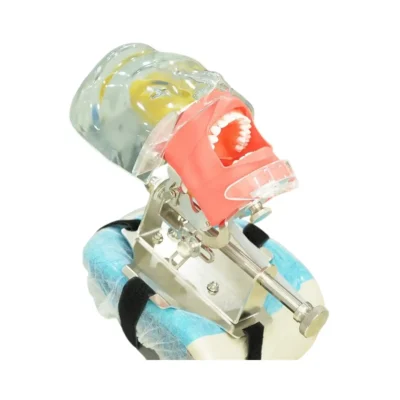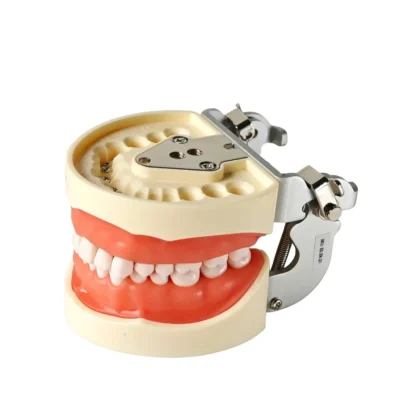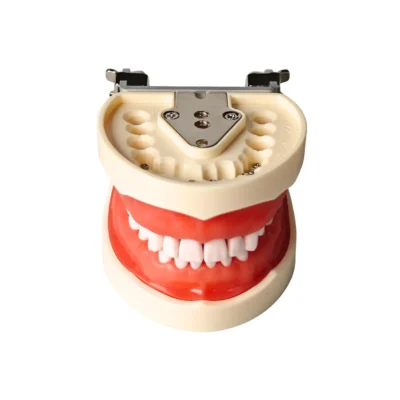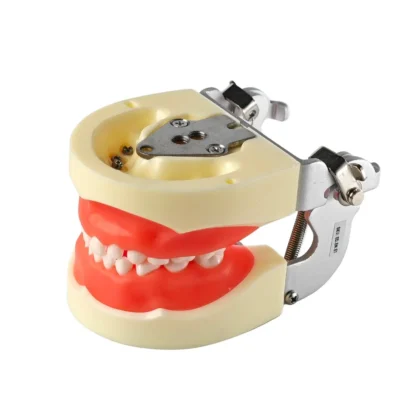
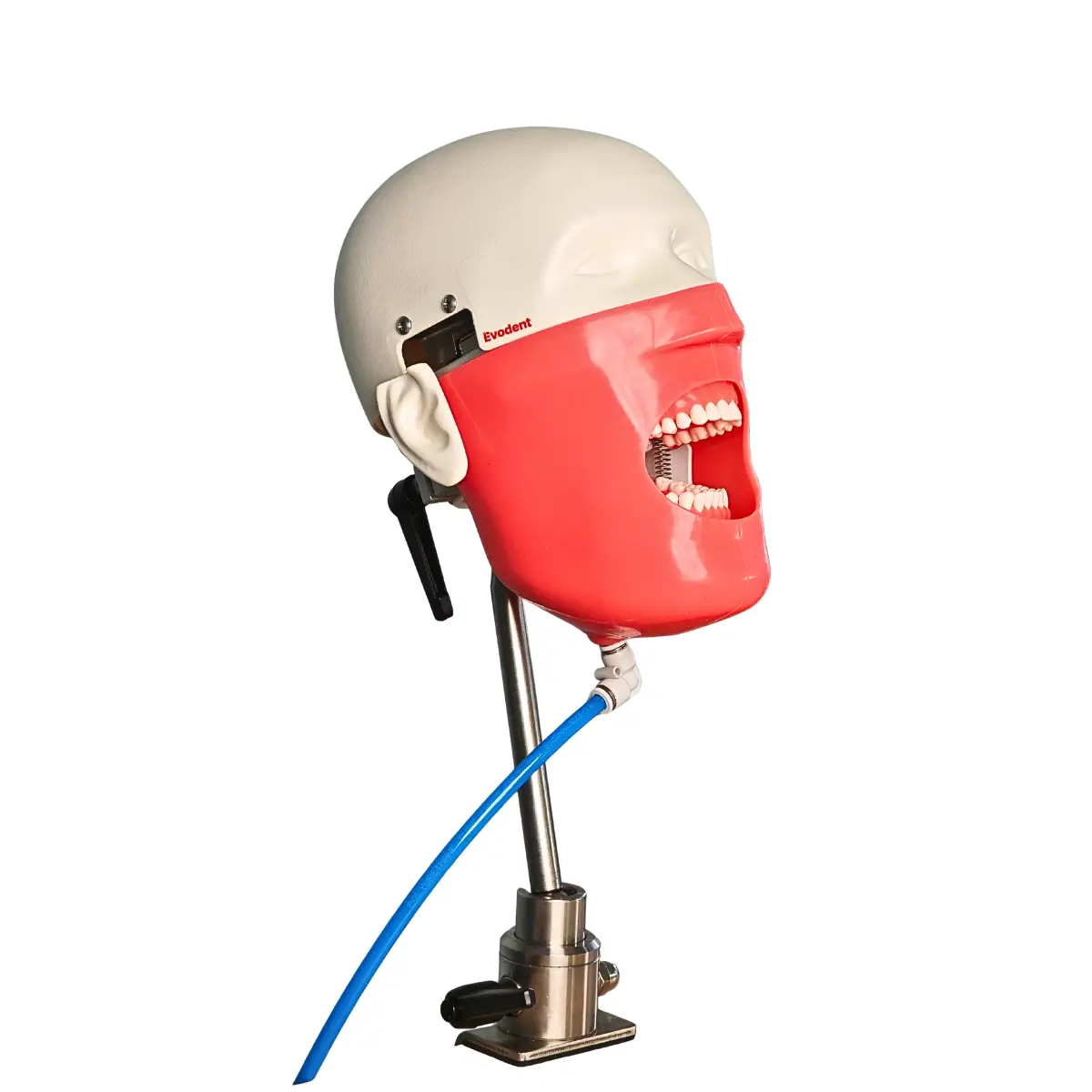
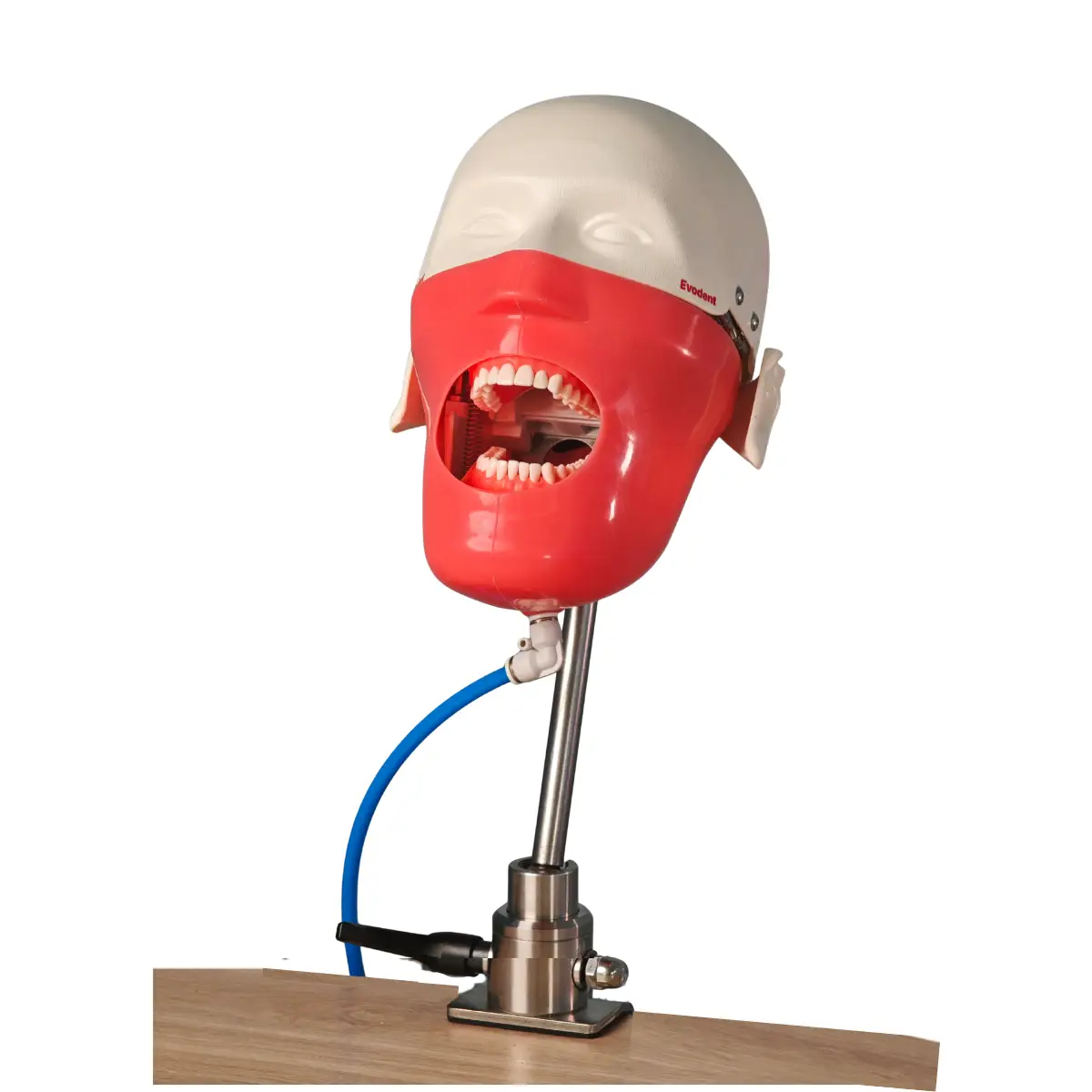
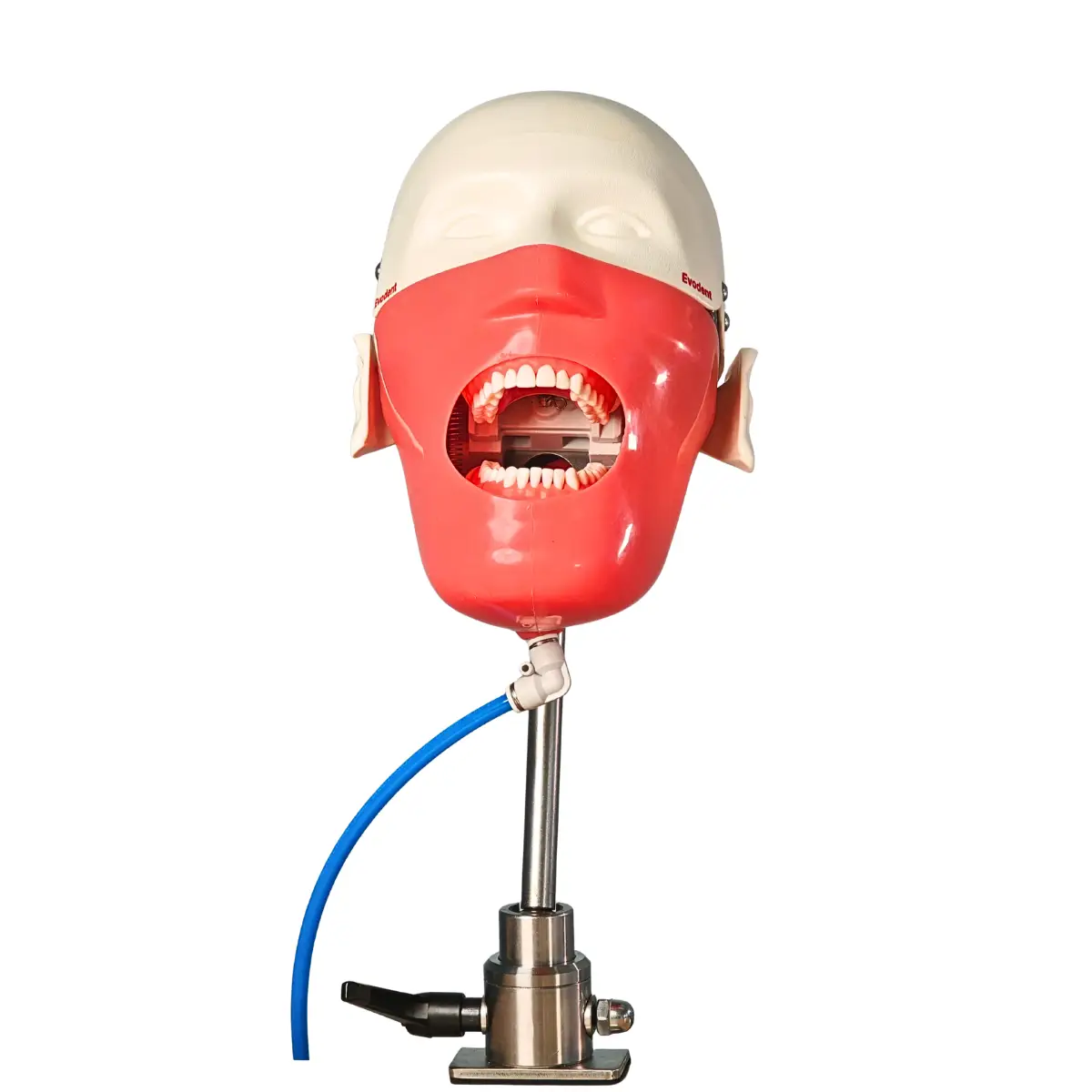
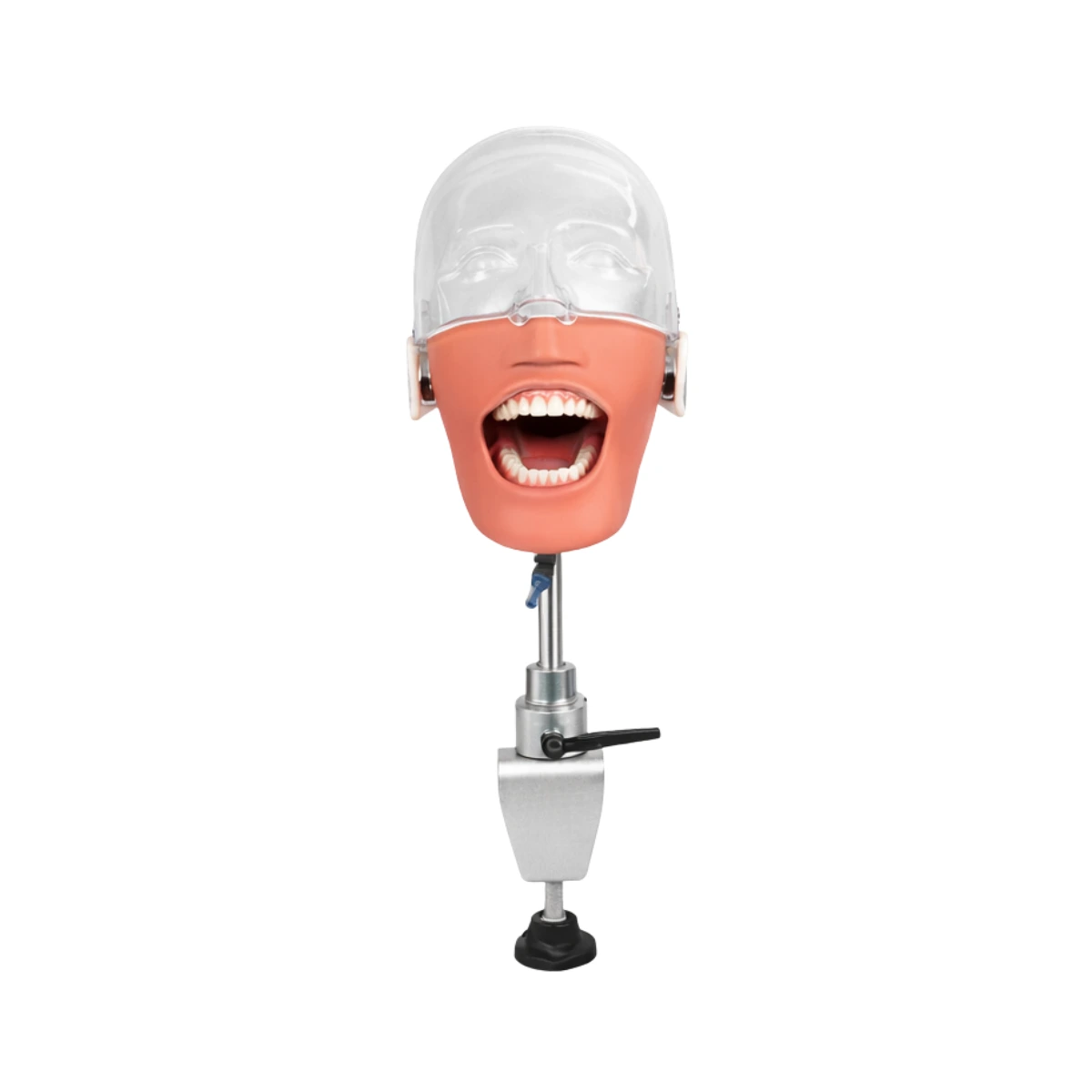
Evodent Magnetic Dental Phantom Head for Preclinical Simulation, Typodont & Student Training
Original price was: ₹50,000.00 INR.₹39,995.00 INRCurrent price is: ₹39,995.00 INR.
Magnetic dental phantom head for preclinical simulation with angle adjustment and fixed height.
Shipping & Benefits
- International shipping available
- Tracking details shared by email
- Trusted by dental professionals worldwide
Description
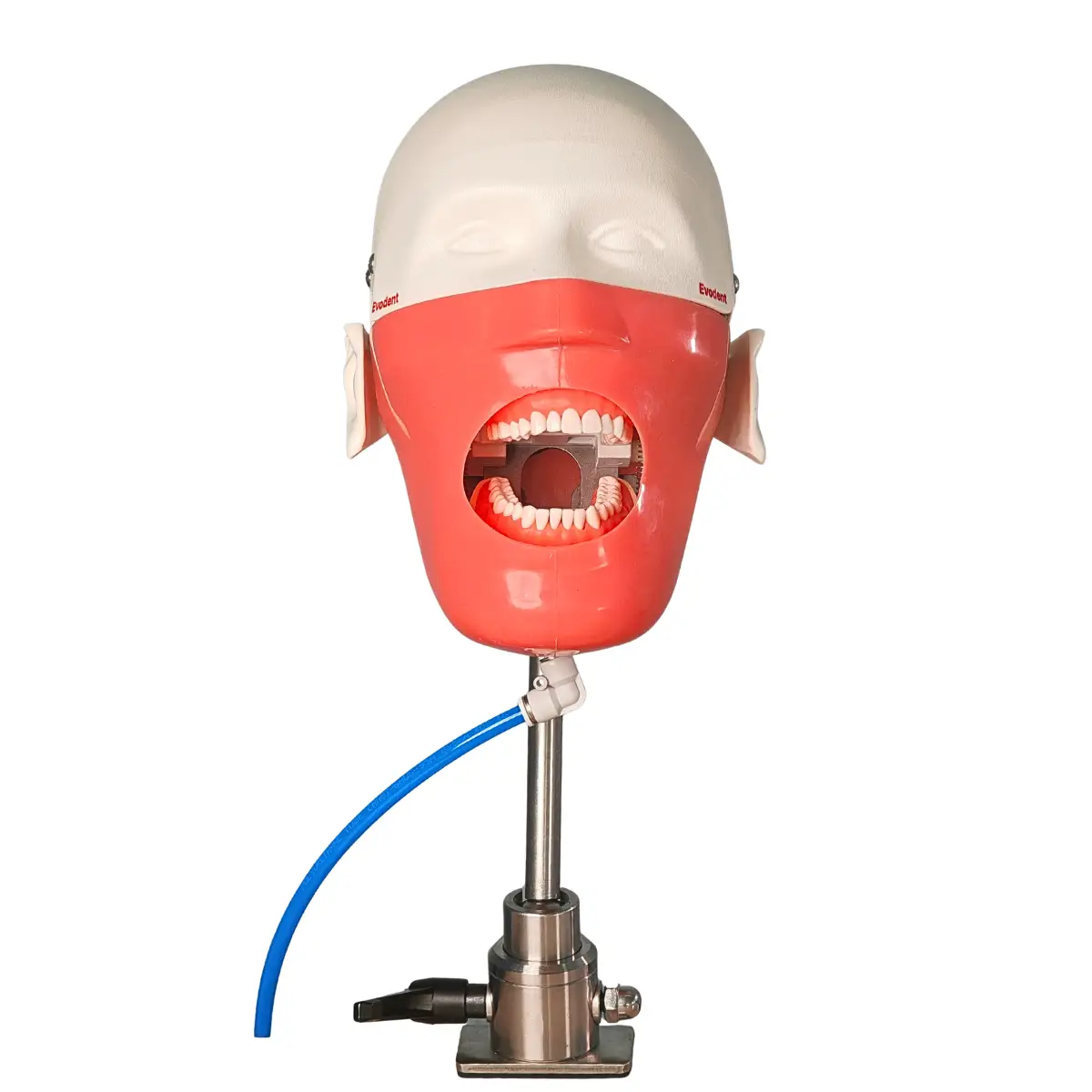
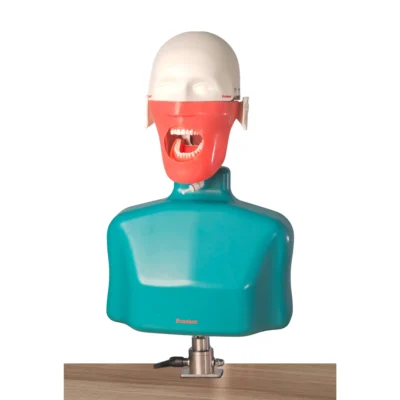
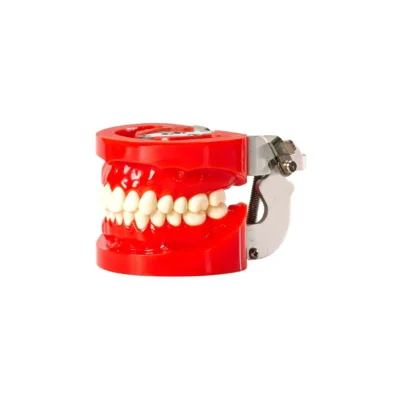
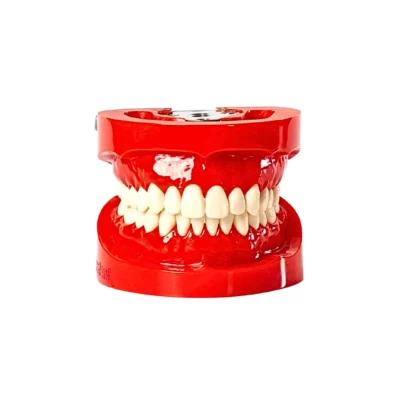
The Evodent Magnetic Dental Phantom Head is designed for preclinical dental simulation where students need to work on a typodont or training model in a mounted head position instead of holding the model in the hand.
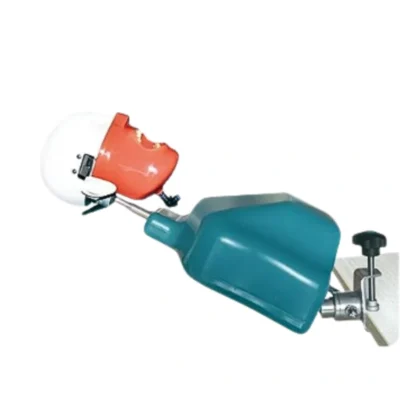
Its magnetic mounting system allows compatible dental models to be fitted and removed quickly, while the head angle can be adjusted to change the working position for different exercises. The stand height is fixed and is not height adjustable.
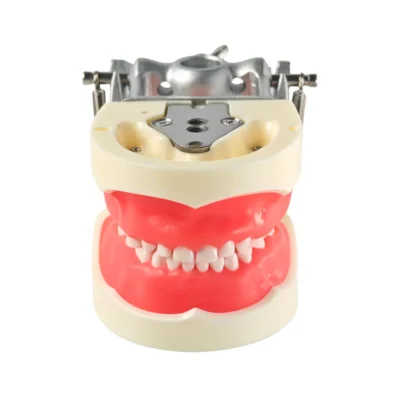
The phantom head can be used with Evodent 200 PRO, Evodent 200 CORE and Evodent ATLAS models when they are supplied with a suitable metal mounting plate. It can also be used with implant training models that have a compatible metal plate, as well as suitable Nissin, Frasaco, Columbia and other training models with metal mounting plates.
What Is the Evodent Magnetic Dental Phantom Head?
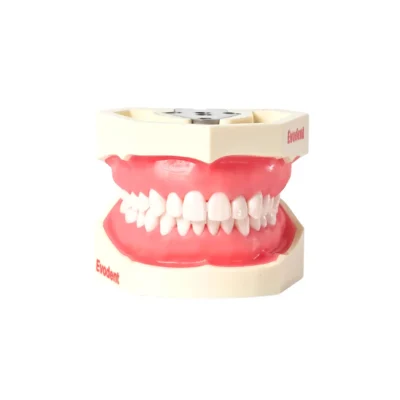
The Evodent Magnetic Dental Phantom Head is a preclinical simulation unit used to hold a compatible typodont or dental training model inside a patient-style head form.
This changes the way a student practices. On a loose typodont, the model can be turned freely in the hand. Inside a phantom head, the student has to work around the head position, oral opening and surrounding structures, which makes access and operator positioning a more important part of the exercise.
The phantom head provides the working position. The model placed inside it determines what procedure can be practiced.
Angle Adjustable, Fixed Height
The head angle can be adjusted so the student or instructor can change the orientation of the simulated patient for different areas of the mouth.
This is useful when practicing access to:
- Maxillary teeth
- Mandibular teeth
- Anterior teeth
- Posterior teeth
- Direct and indirect vision positions
The stand height is fixed. This model does not have vertical height adjustment.
For workstation planning, the bench or table height should therefore be selected appropriately before installation. The angle of the head can then be adjusted during training to suit the exercise.
Magnetic Mounting with Wide Typodont Compatibility
The magnetic mounting system works with dental training models that have a suitable metal mounting plate.
Compatible Evodent models include:
- Evodent 200 PRO with metal mounting plate
- Evodent 200 CORE with metal mounting plate
- Evodent ATLAS with metal mounting plate
- Compatible Evodent implant training models with a metal mounting plate
The same mounting principle also allows the phantom head to be used with compatible models from other brands, including Nissin, Frasaco and Columbia, as long as the model has a suitable metal plate and sits securely on the magnetic mount.
Other training models with compatible metal plates may also be used. The practical requirement is that the plate makes stable contact with the magnetic mounting area and the model seats correctly inside the head.
Why Magnetic Model Mounting Is Useful
Magnetic mounting makes it easier to move between compatible training models without repeatedly tightening and loosening a screw-based model mount.
This is particularly useful in dental colleges and simulation labs where the same phantom head may be used for different exercises.
- Models can be placed and removed quickly
- A typodont can be taken out for inspection after an exercise
- Different compatible models can be used on the same phantom head
- Faculty can change models between demonstrations with less setup work
- Implant, restorative, endodontic or pediatric models can be used when they have the correct mounting plate
The model should always be checked for secure seating before training begins.
What Can Students Practice with This Phantom Head?
The training possibilities depend on the model mounted inside the phantom head.
With a suitable typodont or training model, students can practice:
- Operator positioning
- Mirror use and indirect vision
- Anterior and posterior access
- Handpiece approach and control
- Cavity preparation
- Restorative dentistry exercises
- Endodontic access and root canal training
- Crown and bridge preparation
- Prosthodontic exercises
- Pediatric dental training with a compatible pedodontic model
- Implant training with a compatible implant model fitted with a metal plate
- Faculty demonstrations and practical assessments
The phantom head itself does not define the procedure. It provides the simulated working position, while the mounted model provides the tooth or jaw configuration for the exercise.
How to Use the Magnetic Phantom Head
- Secure the phantom head stand to the bench or simulation workstation.
- Select a compatible typodont, implant model or dental training model with a suitable metal mounting plate.
- Place the model against the magnetic mounting area inside the phantom head.
- Check that the model sits flat and remains stable under light working pressure.
- Adjust the angle of the head according to the arch and tooth position being practiced.
- Remember that the stand height is fixed and cannot be adjusted vertically.
- Begin the planned exercise using the instruments and protocol specified by the instructor.
- After training, remove the model for inspection if required.
- Keep the magnetic contact area and metal mounting plate clean so the next model seats correctly.
If water is used during a suitable exercise, route the drainage connection correctly before training begins.
Why Use a Phantom Head Instead of Only a Loose Typodont?
A loose typodont is useful for examining preparations closely and learning individual procedures. A phantom head adds the challenge of working around a simulated patient position.
Students have to think about:
- Where to sit or stand
- How to position the head for access
- When to use direct or indirect vision
- How posterior access differs from anterior access
- How the maxillary and mandibular arches require different working positions
- How instrument control changes when the model is mounted instead of held in the hand
This makes phantom-head practice useful for developing both procedural skills and working-position habits before progressing to more advanced clinical simulation.
Magnetic Phantom Head vs Screw-Type Phantom Head
The main difference is the typodont mounting system.
- Magnetic phantom head: uses a suitable metal plate on the dental model for magnetic attachment
- Screw-type phantom head: uses a typodont designed for screw fixation
The magnetic version is particularly useful when the lab already uses Evodent 200 PRO, 200 CORE, ATLAS, implant models or third-party models fitted with metal mounting plates.
The screw-type version is better suited to models designed specifically for screw mounting. The correct choice depends on the models already used in the training setup.
Useful for Dental Colleges and Simulation Labs
The Evodent Magnetic Dental Phantom Head is suitable for structured preclinical training and works well in institutions where one workstation may be used for several different exercises.
- Dental colleges
- Preclinical simulation laboratories
- Dental training institutes
- Operative and conservative dentistry departments
- Endodontic departments
- Prosthodontic departments
- Pediatric dentistry departments
- Implant training programs
- Faculty demonstration stations
- Practical examination and assessment stations
Key Features
- Magnetic dental phantom head for preclinical simulation
- Angle-adjustable head position
- Fixed stand height
- Compatible with Evodent 200 PRO models with metal mounting plate
- Compatible with Evodent 200 CORE models with metal mounting plate
- Compatible with Evodent ATLAS models with metal mounting plate
- Compatible with suitable implant training models with metal plate
- Compatible with suitable Nissin, Frasaco and Columbia models with metal plate
- Can accept other dental training models with a compatible metal mounting plate
- Supports multiple dental disciplines depending on the mounted model
- Suitable for bench and simulation-workstation use
- Drainage connection for suitable simulation exercises
Technical Specifications
- Product Type: Magnetic dental phantom head
- Mounting System: Magnetic model mounting using a compatible metal plate
- Angle Adjustment: Yes
- Height Adjustment: No, stand height is fixed
- Compatible Evodent Models: 200 PRO, 200 CORE and ATLAS with suitable metal mounting plate
- Implant Model Compatibility: Compatible implant training models with suitable metal plate
- Other Brand Compatibility: Nissin, Frasaco, Columbia and other models where a suitable metal mounting plate is present and the model seats securely
- Primary Application: Preclinical dental simulation and student training
- Training Skills: Operator positioning, mirror use, direct and indirect vision, access and instrument approach
- Training Areas: Operative dentistry, restorative dentistry, endodontics, prosthodontics, pediatric dentistry and implant training depending on the mounted model
- Drainage: Drainage connection provided for suitable simulation exercises
- Recommended Users: Dental colleges, simulation laboratories, training institutes and dental students
- Intended Use: Educational and preclinical dental training
FAQs
Q. Is the Evodent Magnetic Dental Phantom Head height adjustable?
A. No. The stand height is fixed. Only the angle of the phantom head can be adjusted.
Q. What is adjustable on this phantom head?
A. The head angle can be adjusted to change the simulated patient position for different areas of the mouth. The vertical height of the stand cannot be adjusted.
Q. Which Evodent models are compatible?
A. Evodent 200 PRO, Evodent 200 CORE and Evodent ATLAS models can be used when they have a suitable metal mounting plate. Compatible Evodent implant training models with metal plates can also be used.
Q. Can implant training models be used with this phantom head?
A. Yes. Compatible implant training models can be mounted when they have a suitable metal plate and sit securely against the magnetic mounting area.
Q. Can Nissin, Frasaco and Columbia typodonts be used?
A. Yes, compatible Nissin, Frasaco and Columbia models can be used as long as they have a suitable metal mounting plate and seat securely on the magnetic mount.
Q. What is the advantage of magnetic mounting?
A. Magnetic mounting allows compatible models to be fitted and removed without repeatedly using a screw-fixation system. This is useful when different training models are used on the same phantom head.
Q. What can students practice with this phantom head?
A. Depending on the model fitted, students can practice operator positioning, mirror use, cavity preparation, restorative dentistry, endodontic access, crown preparation, pediatric exercises and implant training.
Q. How is this different from practicing on a loose typodont?
A. A phantom head places the model in a simulated patient position, so students also have to manage access, head angle, operator position, visibility and instrument approach rather than concentrating only on the tooth preparation itself.
You may also like…
- Sale!

Evodent Screw Type Dental Chair Mount Phantom Head Manikin – Typodont Training Simulator
Original price was: ₹20,000.00 INR.₹14,995.00 INRCurrent price is: ₹14,995.00 INR. - Sale!
Evodent 200 CORE SG TN Root Canal Typodont, 28 Teeth with Tooth Number Markings
Original price was: ₹5,000.00 INR.₹2,500.00 INRCurrent price is: ₹2,500.00 INR. - Sale!
Evodent Dental Phantom Head and Manikin Simulation Unit with Torso Attachment, Bench Mount Training System with Magnetic Mount, No Articulator Required
Original price was: ₹95,000.00 INR.₹49,995.00 INRCurrent price is: ₹49,995.00 INR. - Sale!
Evodent 200 CORE HG Dental Typodont Model 28 Teeth with Hard Gingiva for Conservative Dentistry Practice
Original price was: ₹7,500.00 INR.₹3,995.00 INRCurrent price is: ₹3,995.00 INR.
Related products
- Sale!
Evodent Dental Phantom Head Manikin with Headrest Mount and Drainage System, Chair-Mount Dental Training Manikin for Preclinical Simulation
Original price was: ₹20,000.00 INR.₹12,995.00 INRCurrent price is: ₹12,995.00 INR. - Sale!
Evodent 200 PRO SG TN Dental Typodont Model with Tooth Number – 32 Teeth, Soft Gingiva, Nissin 200 Compatible Training Typodont
Original price was: ₹5,000.00 INR.₹2,500.00 INRCurrent price is: ₹2,500.00 INR. - Sale!
Evodent 200 PRO Pedo SG Typodont Model Pediatric Dental Training Model, Soft Gingiva, Nissin 200 Compatible, Pedodontic Practice Typodont
Original price was: ₹10,000.00 INR.₹4,000.00 INRCurrent price is: ₹4,000.00 INR. - Sale!
Evodent Root Canal Curvature Training Blocks (Pack of 3) – Straight, Moderate & Severe Curved Canal Models for Endodontic Practice
Original price was: ₹2,000.00 INR.₹995.00 INRCurrent price is: ₹995.00 INR.