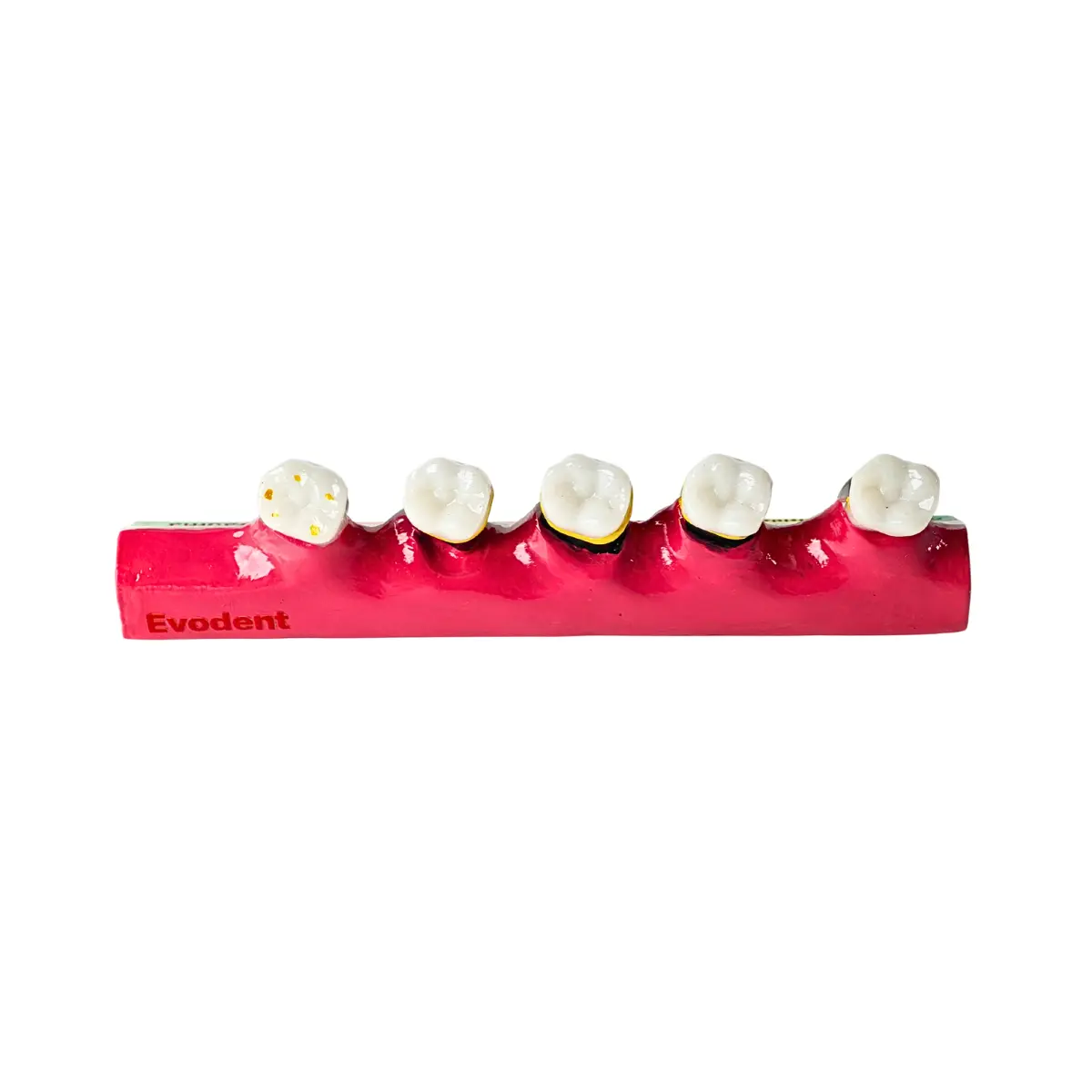
Evodent Periodontal Disease Progression Model – Gingivitis, Periodontitis & Occlusal Trauma
Original price was: ₹6,000.00 INR.₹1,799.00 INRCurrent price is: ₹1,799.00 INR.
A side-by-side periodontal disease model that helps patients clearly see the difference between healthy gums, gingivitis, progressive periodontitis and occlusal trauma.
Shipping & Benefits
- International shipping available
- Tracking details shared by email
- Trusted by dental professionals worldwide
Description
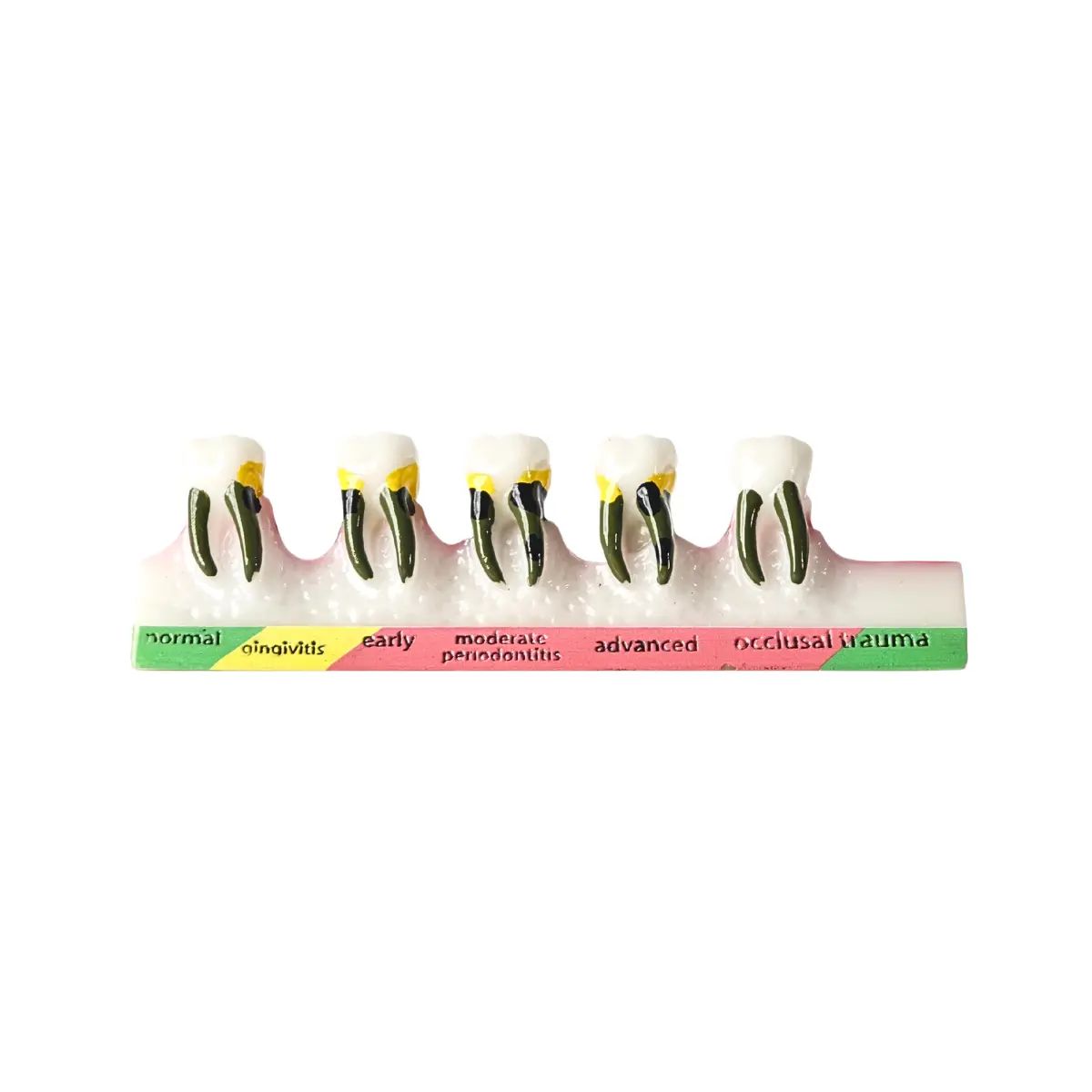
The Evodent Periodontal Disease Progression Model is a visual patient education model designed to make gum disease easier to explain.
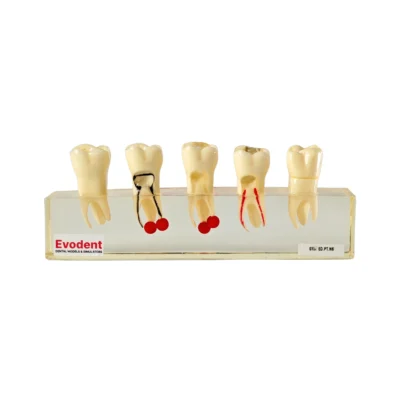
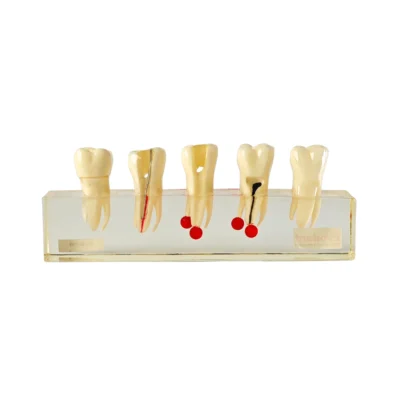
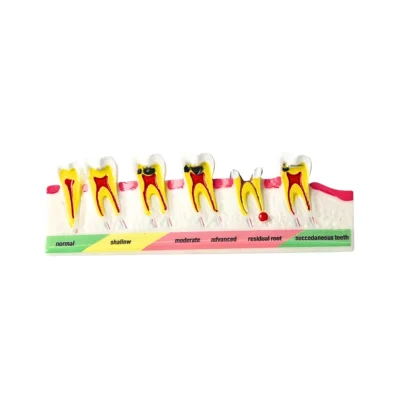
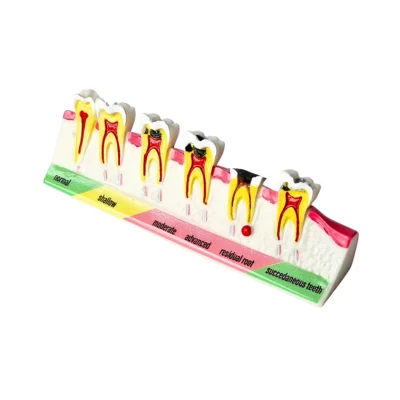
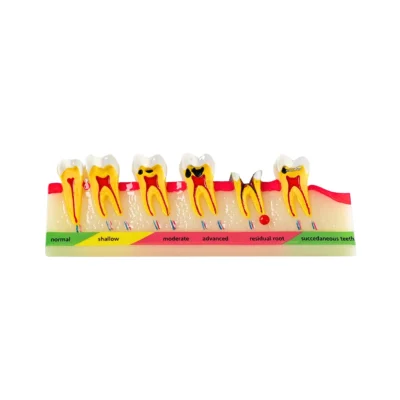
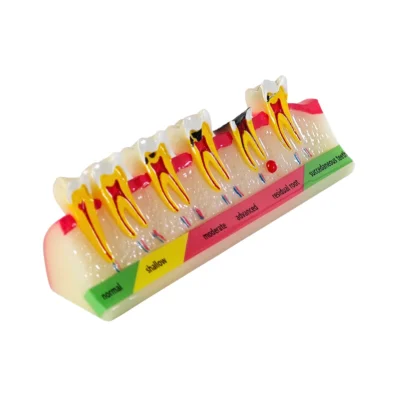
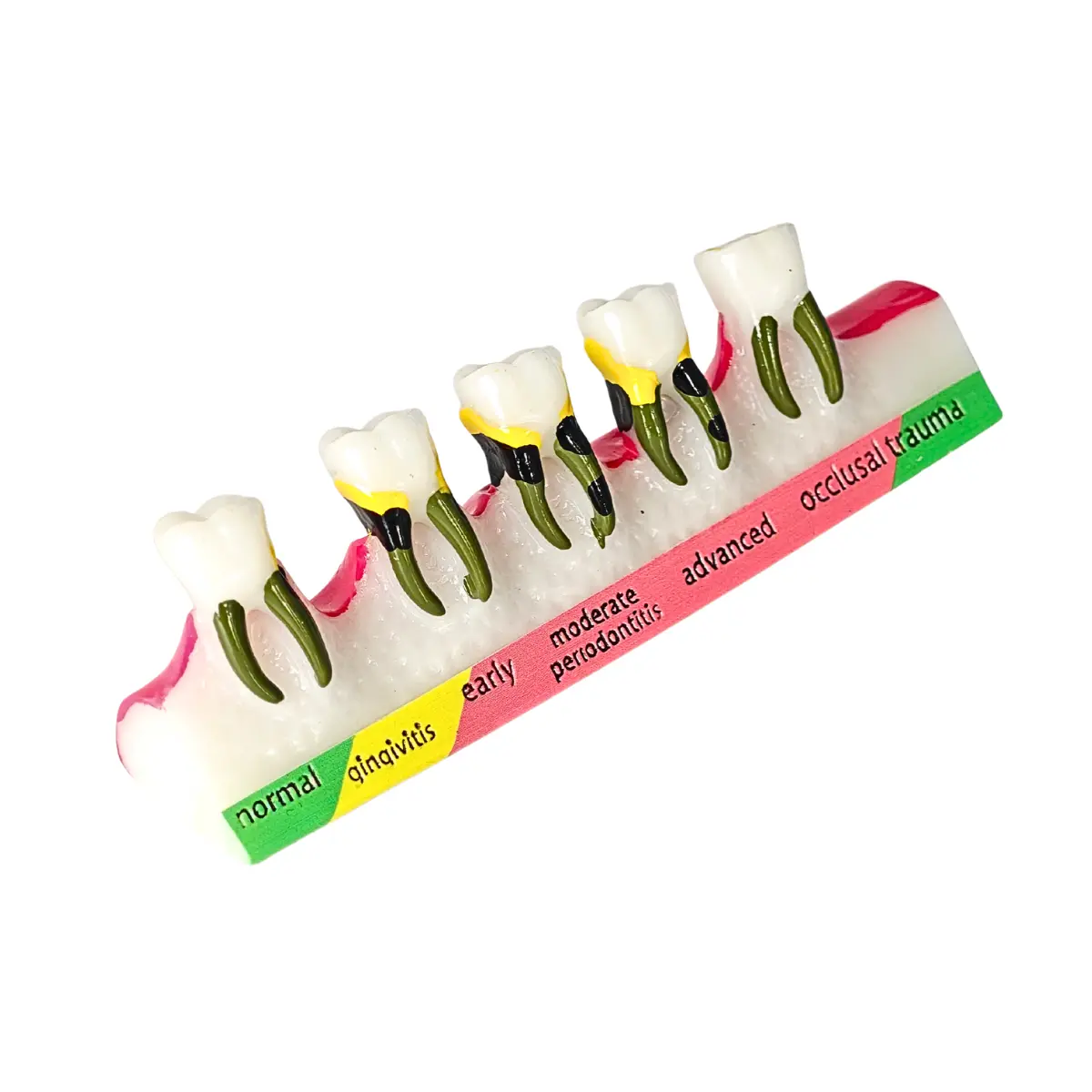
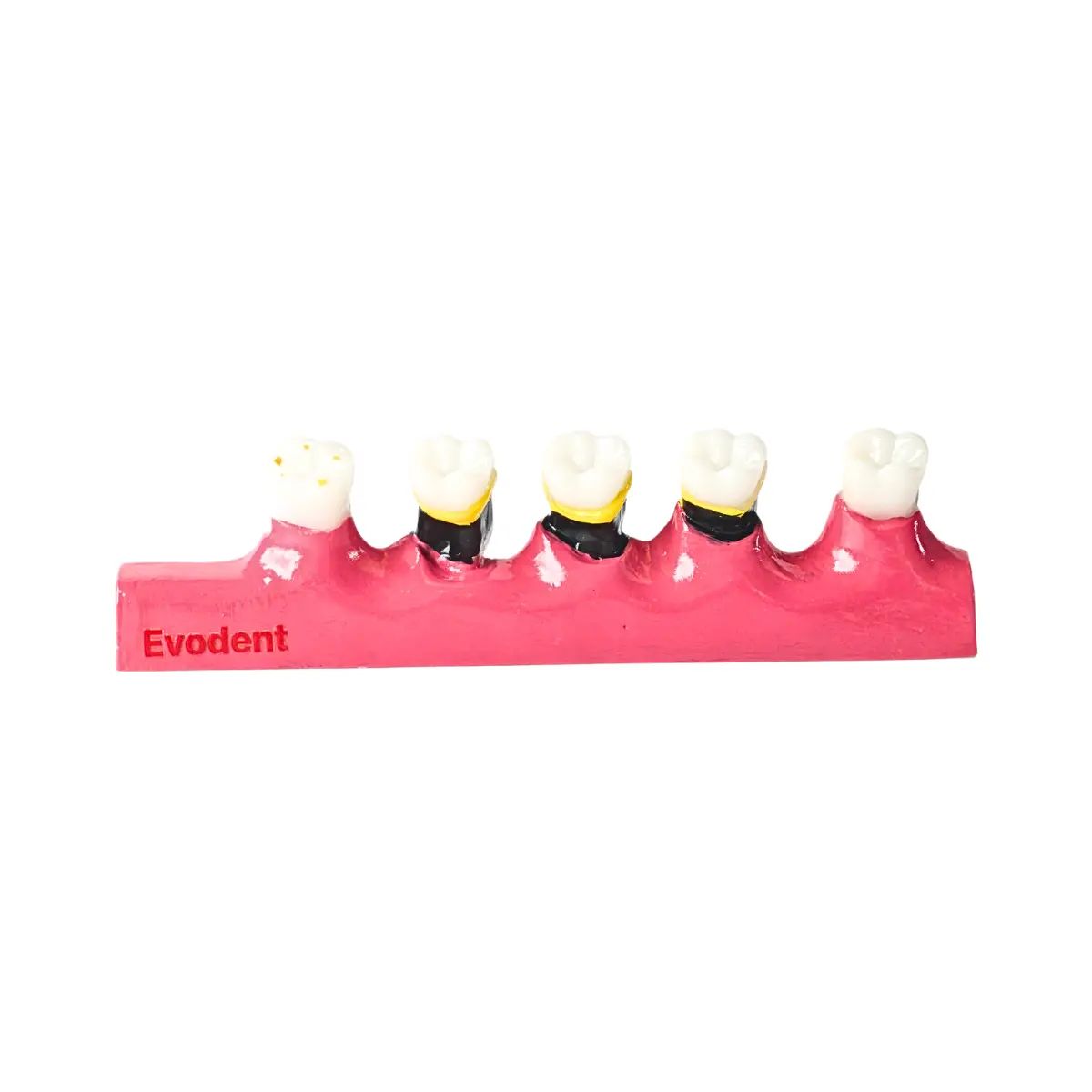
Instead of asking a patient to imagine what happens below the gum line, dentists can use the model to show the changes side by side – beginning with a healthy periodontal condition, progressing through gingivitis and periodontitis, and ending with a separate example of occlusal trauma.
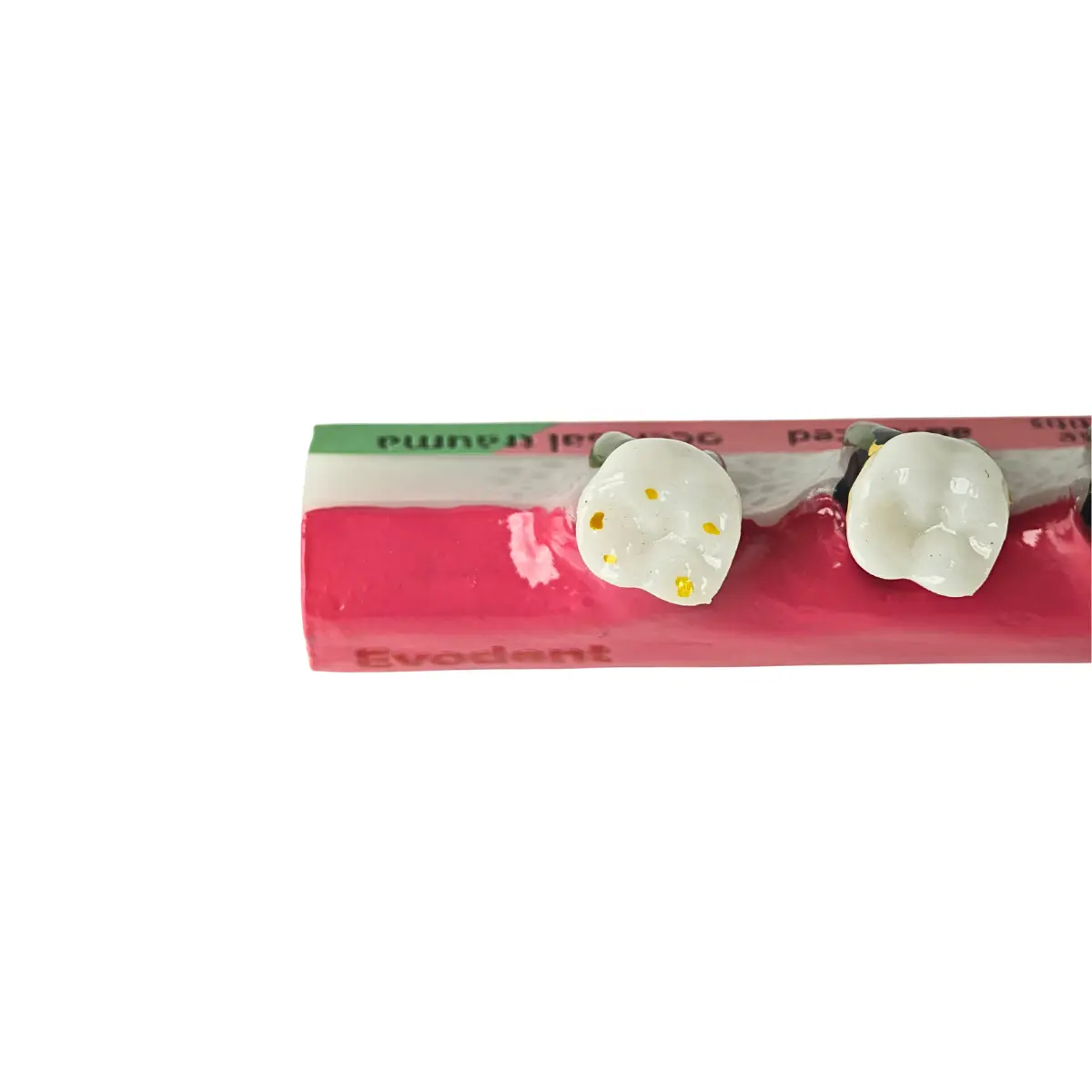
The exposed roots and changing periodontal support make the progression easy to see, while the labelled base helps patients follow the explanation without needing a detailed understanding of dental terminology.
It is particularly useful for chairside patient education, periodontal consultations, oral hygiene discussions and dental teaching.
Explain Periodontal Disease Visually
Periodontal disease can be difficult to explain using words or radiographs alone, especially when many of the important changes occur below the visible gum line. This model gives the patient a three-dimensional reference while the dentist explains what is happening around the tooth. It can help demonstrate:
- The difference between a healthy periodontal condition and disease
- Early changes associated with gingivitis
- Progression from early to more advanced periodontitis
- Increasing root exposure as periodontal support is lost
- Changes around the teeth as periodontal disease becomes more severe
- The difference between gingivitis and established periodontal disease
- Why periodontal problems may become more serious if they progress
- Occlusal trauma as a separate condition affecting the supporting structures
Because all of the conditions are shown next to one another, patients can compare them immediately rather than trying to remember several separate diagrams.
What Does the Periodontal Disease Model Show?
The model presents periodontal conditions in a logical visual sequence.
Normal / Healthy Periodontal Condition
The starting section provides a healthy reference point. This gives the dentist something to compare the diseased areas against and helps the patient understand what healthy periodontal support should look like.
Gingivitis
The gingivitis section introduces the early inflammatory stage around the gums before progressing into the deeper periodontal changes represented elsewhere on the model. It can be used when discussing:
- Gum inflammation
- Changes around the gingival margin
- Early warning signs of gum problems
- The importance of oral hygiene and professional evaluation
Early Periodontitis
The model then begins to show changes involving the supporting periodontal structures. This helps explain that periodontitis is more than simply “red gums” and involves structures supporting the tooth.
Moderate Periodontitis
The moderate section makes the progression easier to visualize by showing greater changes around the root and supporting structures. Placing this directly beside the early stage helps patients understand that periodontal disease can progress in severity.
Advanced Periodontitis
The advanced section represents a much more severe loss of periodontal support and greater root exposure. This is especially useful when explaining why advanced periodontal problems are different from early gingival inflammation.
Occlusal Trauma
The final section shows occlusal trauma as a separate condition, rather than presenting it as another stage of periodontitis. This allows the dentist to introduce how excessive or abnormal biting forces can affect the supporting structures around a tooth when relevant to the patient’s discussion.
Why This Works Well for Patient Education
Patients often hear terms such as gingivitis, periodontitis, bone loss or gum disease without clearly understanding how those conditions differ. A physical periodontal model makes that conversation much easier. Dentists and hygienists can use it to:
- Point directly to the condition being discussed
- Compare healthy and diseased periodontal support
- Explain gingivitis before discussing periodontitis
- Show how periodontal disease can become progressively more severe
- Demonstrate root exposure visually
- Discuss periodontal findings alongside the patient’s radiographs
- Support oral hygiene instructions
- Explain why periodontal monitoring and professional care matter
- Make periodontal consultations easier for patients to follow
The aim is not to frighten the patient. It is to give them a clearer picture of what the dentist or hygienist is describing.
How to Use the Model During a Patient Consultation?
A simple explanation usually works best.
- Start with the healthy section so the patient has a normal reference point.
- Move to gingivitis and explain the early changes around the gums.
- Progress through early, moderate and advanced periodontitis while pointing out the increasing changes around the tooth and supporting structures.
- Relate the model to the patient’s own findings using their examination, periodontal charting or radiographs where appropriate.
- Discuss occlusal trauma separately if it is relevant to the patient’s condition.
This lets the patient follow the progression visually instead of receiving several unfamiliar periodontal terms at once.
Useful for Dentists, Hygienists & Dental Education
Although patient education is the primary purpose, the model can also be useful for teaching and demonstrations. Suitable users include:
- General dentists
- Periodontists
- Dental hygienists
- Dental students
- Dental colleges
- Dental assistants
- Oral hygiene educators
- Dental training institutes
Common uses include:
- Periodontal patient consultations
- Gum disease education
- Oral hygiene counselling
- Periodontics teaching
- Classroom demonstrations
- Dental hygiene education
- Explaining periodontal findings to patients
- Comparing healthy and diseased periodontal conditions
Key Features
- Side-by-side periodontal disease progression model
- Shows a healthy / normal periodontal condition
- Gingivitis representation
- Early periodontitis representation
- Moderate periodontitis representation
- Advanced periodontitis representation
- Separate occlusal trauma example
- Visible roots for easier explanation
- Progressive periodontal support changes shown visually
- Clearly labelled condition guide along the base
- Designed primarily for patient education
- Useful for periodontal and dental hygiene teaching
- Freestanding format for chairside or classroom demonstration
- Reusable for repeated patient consultations
Technical Specifications
- Product Type: Periodontal disease patient education model
- Model Type: Periodontal disease progression / periodontitis stages model
- Configuration: Sectional dental model
- Conditions Demonstrated: Normal periodontal condition, gingivitis, early periodontitis, moderate periodontitis, advanced periodontitis and occlusal trauma
- Occlusal Trauma: Demonstrated separately from periodontal disease progression
- Roots: Visible for demonstration
- Stage Identification: Labelled guide on model base
- Primary Use: Patient education
- Secondary Use: Dental teaching and periodontal demonstrations
- Suitable For: Dentists, periodontists, dental hygienists, students, educators and dental clinics
- Use Environment: Chairside consultation, dental clinic, classroom or training room
- Training Type: Visual demonstration and education; not designed for procedural periodontal practice
FAQs – Evodent Periodontal Disease Progression Model
Q. What is a periodontal disease model used for?
A. A periodontal disease model is used to visually explain changes around the teeth and supporting periodontal structures. This model is primarily designed for patient education and helps dentists demonstrate the progression from healthy periodontal conditions through gingivitis and different levels of periodontitis.
Q. What stages of periodontal disease are shown on the model?
A. The model shows a healthy periodontal condition, gingivitis, early periodontitis, moderate periodontitis and advanced periodontitis. It also includes a separate example of occlusal trauma.
Q. Is occlusal trauma a stage of periodontal disease?
A. No. Occlusal trauma is shown separately on the model and should not be presented as the final stage of periodontitis. It is included so dentists can explain changes associated with excessive or abnormal forces on the supporting structures when relevant.
Q. Is this model suitable for explaining gum disease to patients?
A. Yes. Patient education is its primary purpose. The side-by-side design allows patients to compare healthy, gingivitis and progressively more advanced periodontal conditions during the consultation.
Q. Can the model help explain the difference between gingivitis and periodontitis?
A. Yes. The model provides a healthy and gingivitis reference before showing the deeper and progressively more severe periodontal changes associated with periodontitis.
Q. Can this model be used with patient X-rays or periodontal charting?
A. Yes. Dentists and hygienists can use the model as a visual reference while discussing the patient’s examination findings, periodontal charting or radiographs. The model is a general educational aid and does not represent an individual patient’s exact condition.
Q. Can dental students and hygienists use this model?
A. Yes. In addition to patient education, the model is useful for dental students, hygienists and educators learning or teaching the visual progression of periodontal disease and basic periodontal concepts.
You may also like…
- Sale!

Evodent 4 Step Dental Implant Demonstration Model – Incision, Osteotomy, Implant Placement and Crown Restoration
Original price was: ₹5,000.00 INR.₹2,995.00 INRCurrent price is: ₹2,995.00 INR. - Sale!
Evodent Signature All in One Model with Three Implant FPD – Dental Implant Patient Education Model
Original price was: ₹5,000.00 INR.₹1,995.00 INRCurrent price is: ₹1,995.00 INR. - Sale!
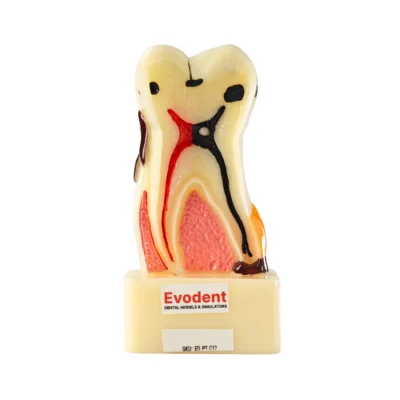
Evodent Tooth Cross Section Model – Caries, Pulpitis, Periodontal Infection and Lesion Progression for Teaching, for Dental Education & Patient Explanation
Original price was: ₹3,500.00 INR.₹1,800.00 INRCurrent price is: ₹1,800.00 INR. - Sale!
Evodent Dental Typodont Model with Soft Gingiva and Removable Teeth, Dental Extraction Demonstration Model with Root Anatomy for Patient Education
Original price was: ₹5,000.00 INR.₹2,995.00 INRCurrent price is: ₹2,995.00 INR.
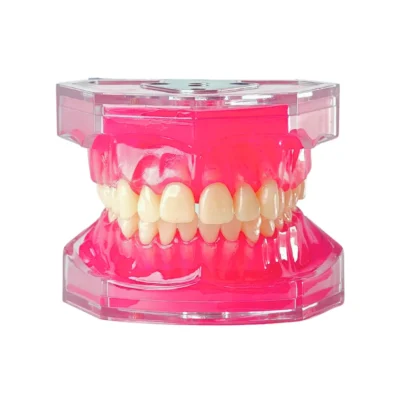
Related products
- Sale!
Evodent Advanced Tooth Decay Cross Section Model – Caries Progression, Pulp & Root Canal Anatomy
Original price was: ₹2,500.00 INR.₹1,495.00 INRCurrent price is: ₹1,495.00 INR. - Sale!
Evodent Root Canal Treatment Stages Model – Caries Progression, Pulp Infection, Endodontic Instrumentation and Gutta-Percha Filling Demonstration
Original price was: ₹6,000.00 INR.₹1,500.00 INRCurrent price is: ₹1,500.00 INR. - Sale!
Evodent Dental Caries Progression Model – Tooth Decay & Patient Education Model
Original price was: ₹6,000.00 INR.₹1,799.00 INRCurrent price is: ₹1,799.00 INR. - Sale!
Evodent Signature Tooth Decay & Caries Progression Model – 6 Stage Patient Education Model
Original price was: ₹6,000.00 INR.₹1,995.00 INRCurrent price is: ₹1,995.00 INR.