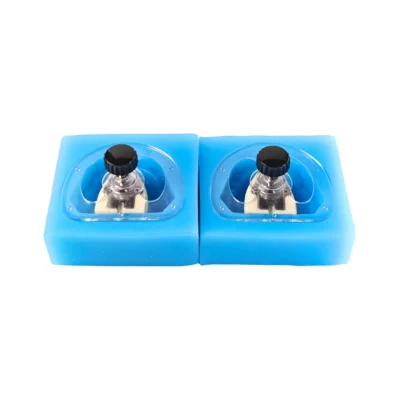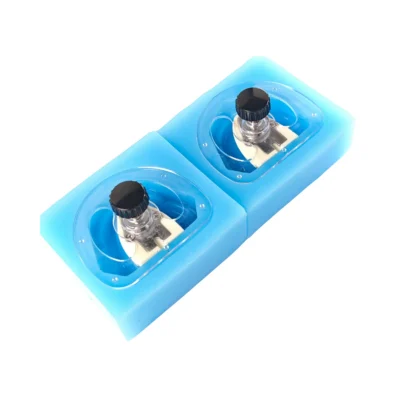
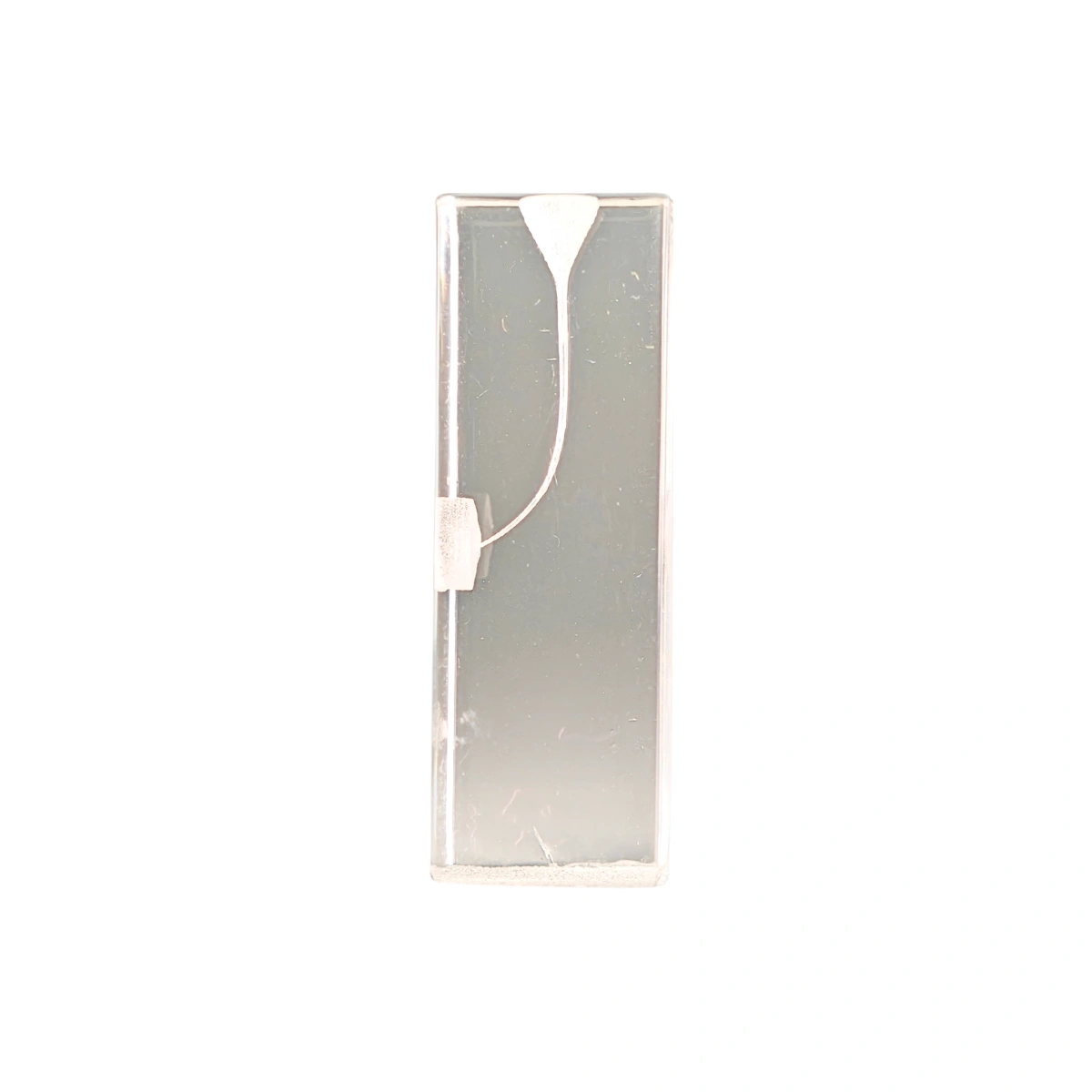
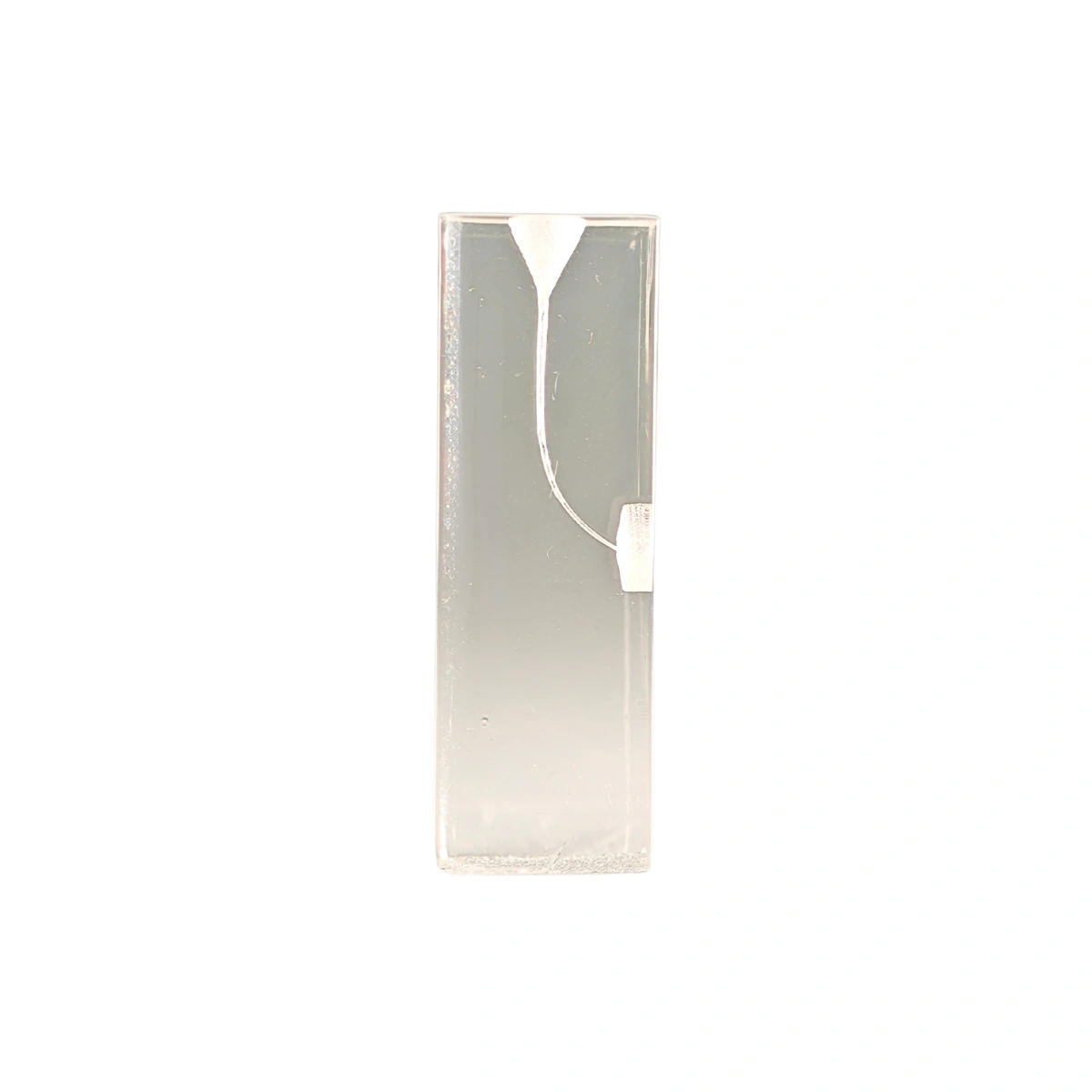
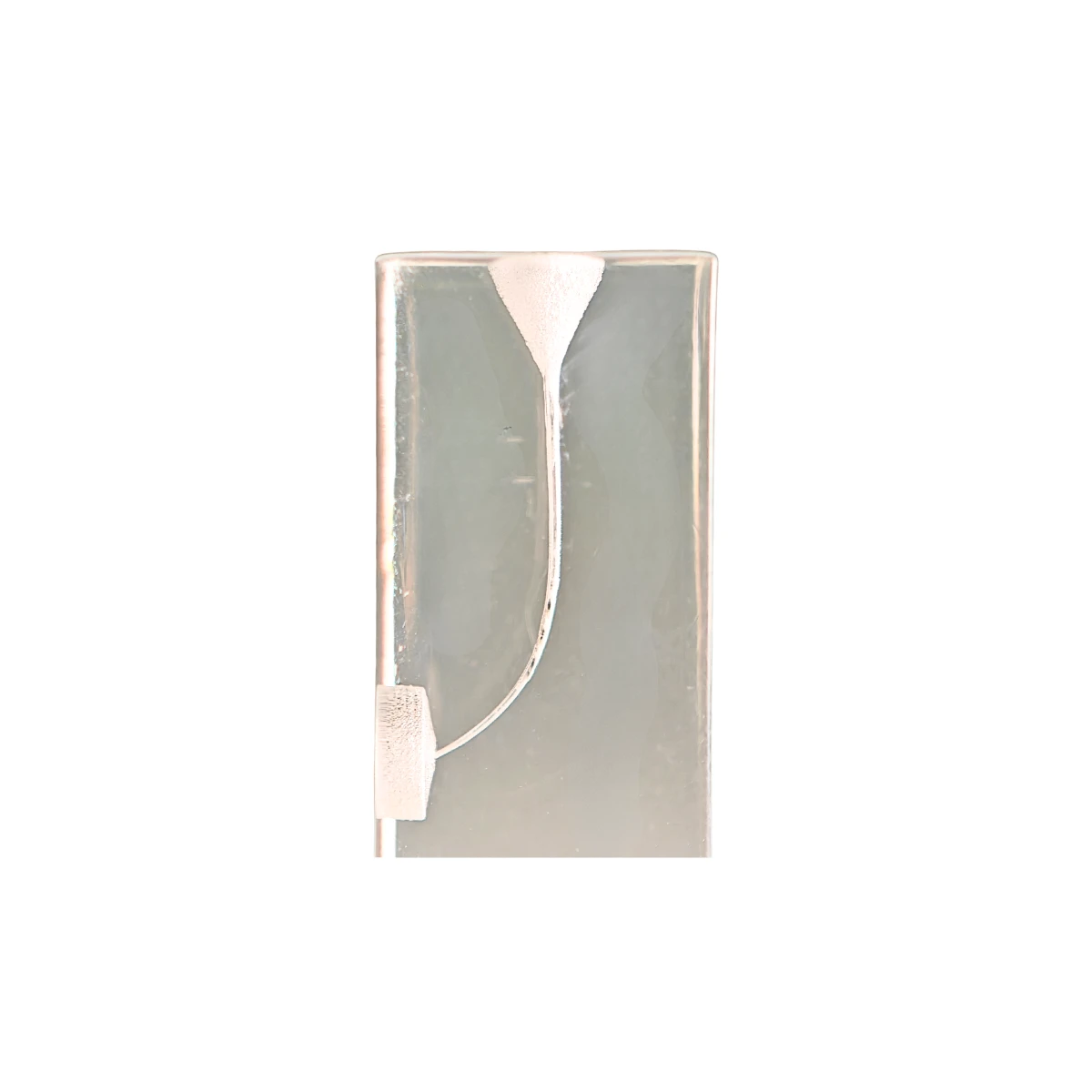
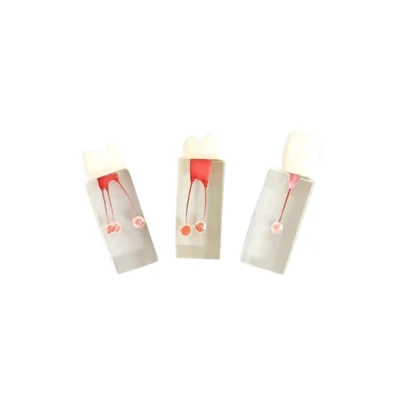
Evodent Broken File Retrieval Training Block, Endodontic Practice Model
Original price was: ₹500.00 INR.₹199.00 INRCurrent price is: ₹199.00 INR.
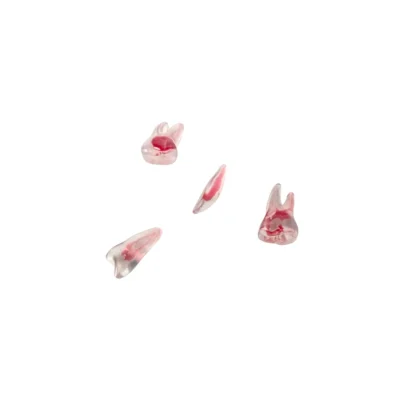
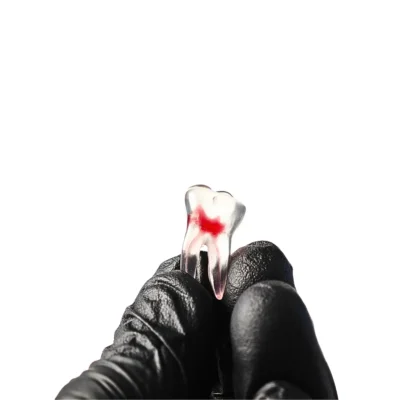
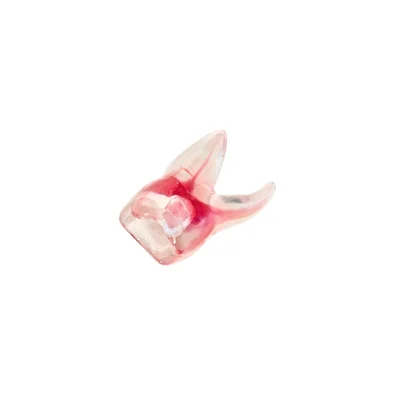
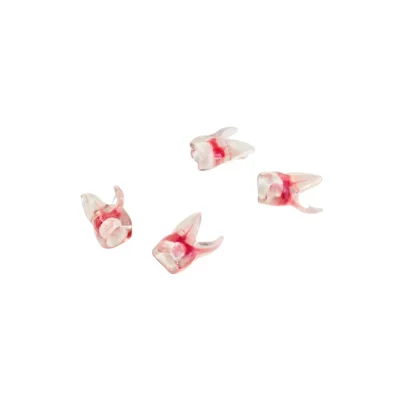
Endodontic training block with a simulated broken file inside the canal for practicing separated instrument management, bypass and retrieval techniques in a pre-clinical setup.
Shipping & Benefits
- International shipping available
- Tracking details shared by email
- Trusted by dental professionals worldwide
Description
The Evodent Broken File Retrieval Training Block is an endodontic practice model designed for students learning how to manage a separated instrument inside a root canal.
The block contains a simulated canal with a broken file positioned inside it, giving students a controlled way to understand one of the more difficult situations encountered during root canal treatment.
It is intended for pre-clinical training, faculty demonstration and hands-on endodontic courses where students need to practice how a separated file can be assessed, bypassed or retrieved according to the technique being taught.
What Is a Broken File Retrieval Training Block?
A broken file retrieval training block is an endodontic simulation model that contains a separated instrument inside a simulated root canal.
It allows students to focus specifically on the problem of a fractured endodontic file without the additional anatomical variation of a natural tooth.
The model can be used to discuss and practice:
- Locating a separated instrument inside the canal
- Understanding the position of the broken file
- Planning access to the fragment
- Bypassing a separated file where appropriate
- Practicing file retrieval techniques according to the teaching protocol
- Understanding the risks of excessive dentin removal during retrieval
- Reviewing the result after a retrieval exercise
Why Practice Broken File Management on a Training Block?
Separated instrument management is a technique-sensitive part of endodontics. For a student, it can be difficult to understand the problem when the fragment is hidden inside a natural tooth.
A dedicated training block isolates the problem and lets the student concentrate on the retrieval process itself.
This is useful for learning:
- How to approach a separated file
- How much working space may be required around the fragment
- Why controlled access is important
- When bypass may be considered instead of direct retrieval
- How instrumentation around the fragment changes the canal space
- Why aggressive retrieval attempts can compromise the surrounding structure
For instructors, the model also provides a consistent teaching situation for demonstrations and practical exercises.
What Can Students Practice?
The Evodent Broken File Retrieval Training Block can support several pre-clinical exercises depending on the instruments and retrieval system being taught.
- Separated file localisation
- Access planning
- Canal negotiation around a fragment
- Bypass techniques
- Creating controlled working space around a broken file
- Broken file retrieval practice
- Instrument handling during retrieval
- Post-retrieval canal assessment
- Faculty demonstrations of separated instrument management
The exact technique should follow the retrieval method, instruments and protocol selected by the instructor.
How to Use the Evodent Broken File Training Block?
A structured training exercise can be carried out in the following sequence:
- Inspect the canal and identify the position of the separated file.
- Assess the available access to the fragment and discuss the intended retrieval or bypass strategy.
- Select the instruments required for the technique being taught.
- Prepare access to the broken file carefully according to the training protocol.
- Practice bypassing or retrieving the fragment as instructed.
- Stop periodically to review the position of the instrument and the amount of surrounding material being removed.
- After the exercise, inspect the canal and evaluate whether the fragment was bypassed, loosened or retrieved.
- Review the result with the instructor and discuss how the technique could be improved.
The purpose of the model is to help students understand the mechanics and decision-making involved in separated instrument management before progressing to more complex tooth-based training.
Broken File Retrieval vs Bypass Practice
Not every separated instrument is approached in exactly the same way.
Depending on the position of the fragment, the canal and the teaching objective, the exercise may focus on either retrieving the file or negotiating past it.
- Retrieval practice focuses on gaining controlled access to the fragment and removing it from the canal.
- Bypass practice focuses on negotiating alongside the separated instrument to regain a pathway through the canal.
This training block can be used to introduce both concepts, with the exact method determined by the instructor and the system being taught.
Useful for Advanced Pre-Clinical Endodontic Training
This model is more specialized than a standard root canal shaping block. It is intended for students who are beginning to learn how endodontic complications are managed.
It is suitable for:
- Dental students
- Postgraduate endodontic training
- Dental colleges
- Endodontic departments
- Hands-on root canal workshops
- Separated instrument retrieval courses
- Faculty demonstrations
- Pre-clinical complication-management training
How This Model Fits into Endodontic Training
A basic root canal training block is useful for learning canal negotiation and shaping. A broken file training block adds a specific complication for the student to manage. This makes it a useful next step after students are already comfortable with basic endodontic instrumentation.
A typical progression may include:
- Basic canal negotiation and shaping
- Practice on transparent root canal blocks
- Separated instrument management using a broken file training block
- Root canal practice on tooth-shaped models
- Typodont or phantom head simulation
The sequence can be adjusted according to the curriculum or training program.
Key Features
- Endodontic training block with simulated broken file
- Designed for separated instrument management training
- Useful for broken file retrieval and bypass exercises
- Suitable for access planning and fragment localisation
- Designed for pre-clinical endodontic education
- Useful for student practice and faculty demonstration
- Suitable for dental colleges and endodontic workshops
- Helps isolate broken file management as a focused training exercise
Technical Specifications
- Product Type: Broken file retrieval endodontic training block
- Training Category: Separated instrument management
- Canal Design: Simulated root canal with a broken endodontic file
- Primary Training Use: Broken file localisation, bypass and retrieval practice
- Secondary Training Use: Access planning and separated instrument management
- Suitable Techniques: Retrieval or bypass techniques according to the teaching protocol
- Recommended Users: Dental students, postgraduate trainees, dental colleges, endodontic departments and training centres
- Use Environment: Pre-clinical laboratory, classroom, workshop or individual training setup
- Intended Use: Educational and training use
FAQs
Q. What is the Evodent Broken File Retrieval Training Block used for?
A. It is used for pre-clinical training in the management of a separated endodontic instrument. Students can practice locating the fragment, planning access, bypassing it or attempting retrieval according to the technique being taught.
Q. Does the block already contain a broken endodontic file?
A. Yes. The training block contains a simulated broken file inside the canal so the student can begin with a prepared separated-instrument scenario.
Q. Can students practice broken file retrieval on this model?
A. Yes. The model is specifically intended for separated instrument retrieval training. The exact retrieval method should follow the instruments, technique and protocol selected by the instructor.
Q. Can the block also be used to practice bypassing a broken file?
A. Yes. Depending on the teaching objective, students can practice negotiating alongside the fragment to understand the concept of bypassing a separated instrument.
Q. Is this suitable for beginners in endodontics?
A. It is better suited to students who already understand basic canal negotiation and instrumentation. Broken file management is a more advanced training exercise than routine canal shaping.
Q. Why use a dedicated broken file training block instead of a normal root canal block?
A. A normal block is mainly used for learning canal negotiation and shaping. This model introduces a separated instrument, allowing the student to focus specifically on complication management, access to the fragment and retrieval or bypass strategies.
Q. Can instructors use this model for demonstrations?
A. Yes. It is useful for faculty demonstrations and hands-on courses because every student can work with a similar separated-file scenario while the instructor explains the chosen technique.
Q. Does this model replace training on natural teeth?
A. No. It is a focused simulation model for learning the mechanics of broken file management. Natural teeth provide more complex anatomy and are useful at a later stage of endodontic training.
You may also like…
- Sale!

Evodent Root Canal Training Block with Crown, Endodontic Tooth Model – 14, 21, 26, Clear Resin Canal Anatomy for RCT Practice – 14
Original price was: ₹700.00 INR.₹295.00 INRCurrent price is: ₹295.00 INR. - Sale!
Evodent Cavity Preparation Practice Teeth, Natural Tooth Simulation, Pack of 4
Original price was: ₹6,000.00 INR.₹3,495.00 INRCurrent price is: ₹3,495.00 INR. - Sale!
Evodent Molar Cavity Filling Practice Tooth, Pulp Chamber Training Model
Original price was: ₹1,500.00 INR.₹995.00 INRCurrent price is: ₹995.00 INR. - Sale!
Evodent Endodontic Training Model with Crown for Root Canal Practice, Tooth 21, 24 and 26
Original price was: ₹500.00 INR.₹245.00 INRCurrent price is: ₹245.00 INR.
Related products
- Sale!
Evodent 200 PRO Pedo SG Typodont Model Pediatric Dental Training Model, Soft Gingiva, Nissin 200 Compatible, Pedodontic Practice Typodont
Original price was: ₹10,000.00 INR.₹4,000.00 INRCurrent price is: ₹4,000.00 INR. - Sale!
Evodent Signature Orthodontic Bracket Bonding Training Teeth, Typodont Teeth with Metal Root and Tooth Color Crown, Set of 28
Original price was: ₹40,000.00 INR.₹24,990.00 INRCurrent price is: ₹24,990.00 INR. - Sale!
Evodent Typodont Teeth with Metal Root and Tooth Color Crown, For Orthodontic Training, Set of 28 Teeth
Original price was: ₹20,000.00 INR.₹9,990.00 INRCurrent price is: ₹9,990.00 INR. - Sale!
Evodent Dentulous Silicone Mold with Phantom Head Attachment, Dental Cast and Typodont Mounting Mold
Original price was: ₹8,000.00 INR.₹3,500.00 INRCurrent price is: ₹3,500.00 INR.