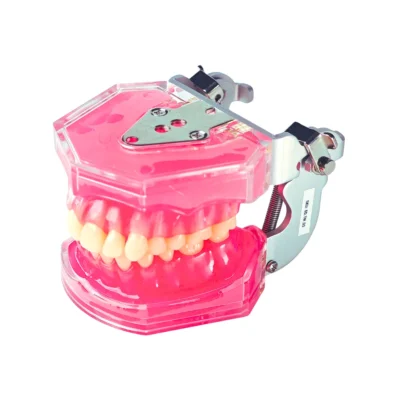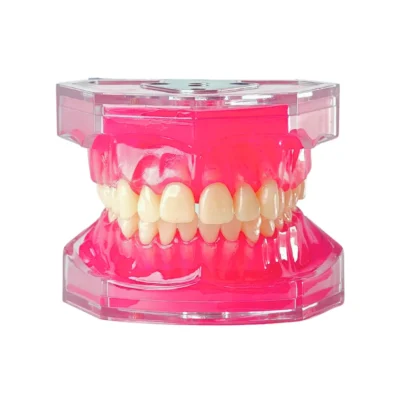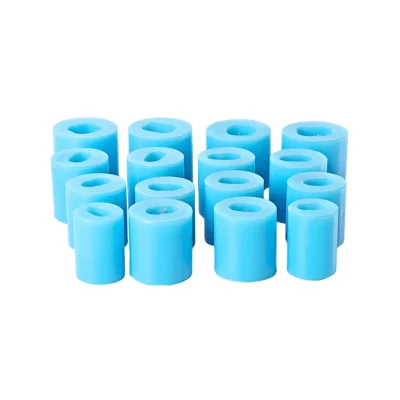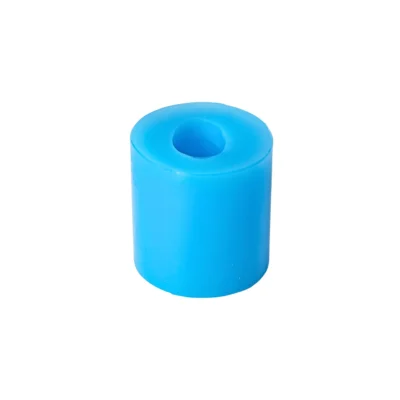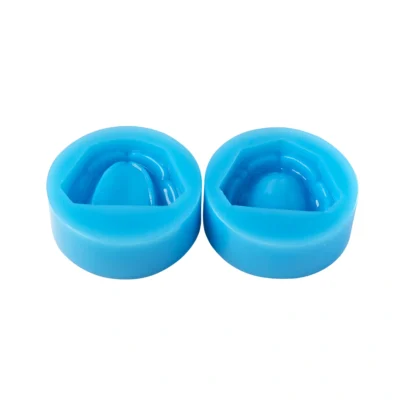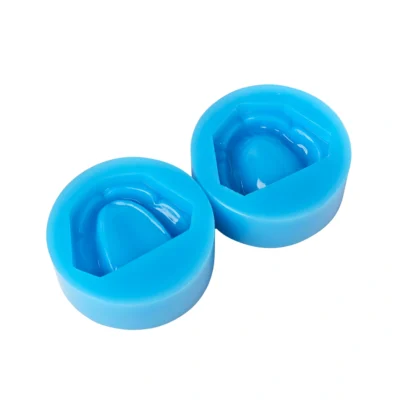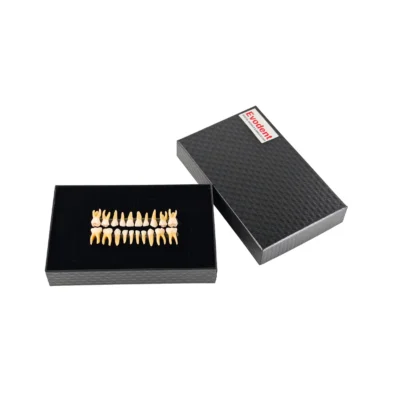
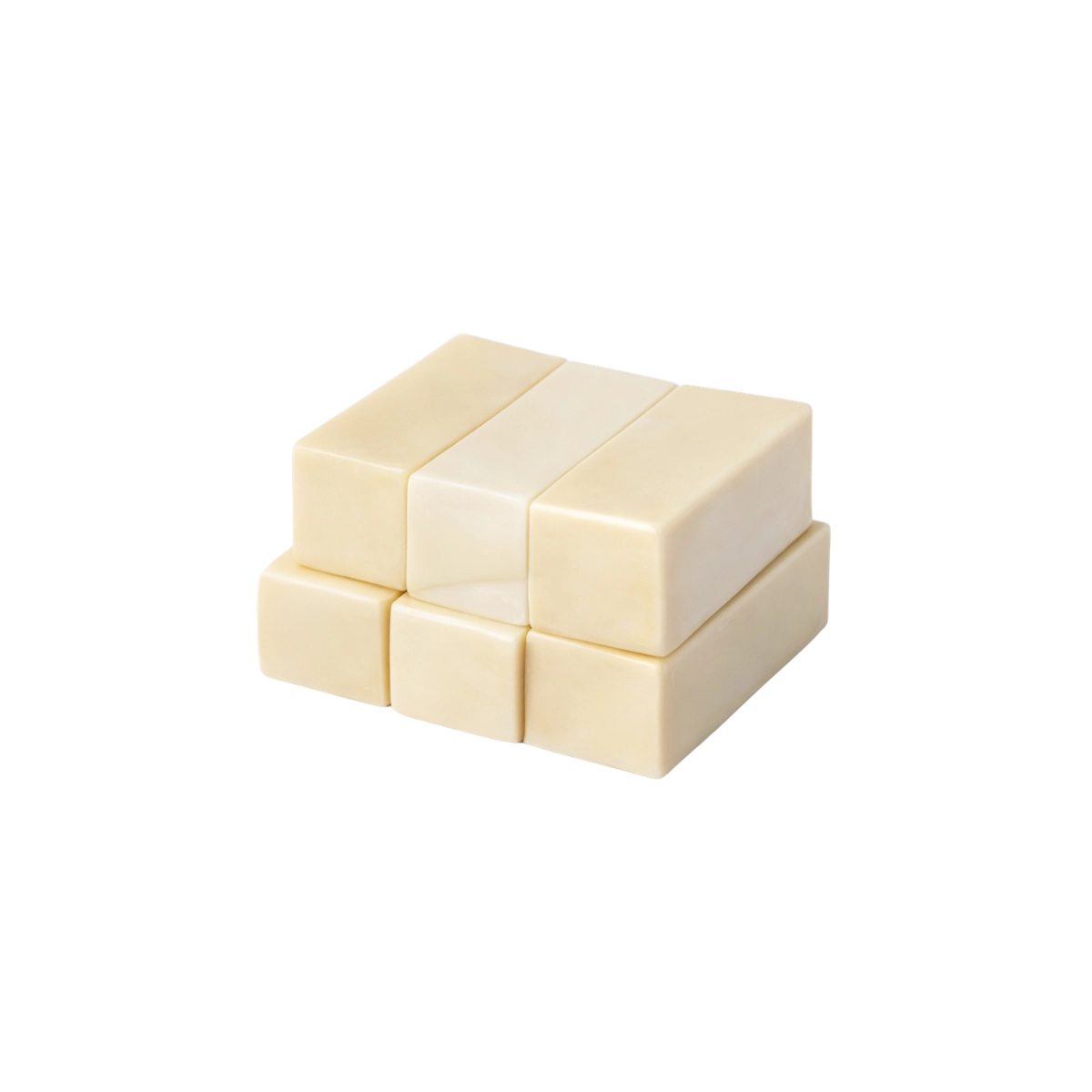
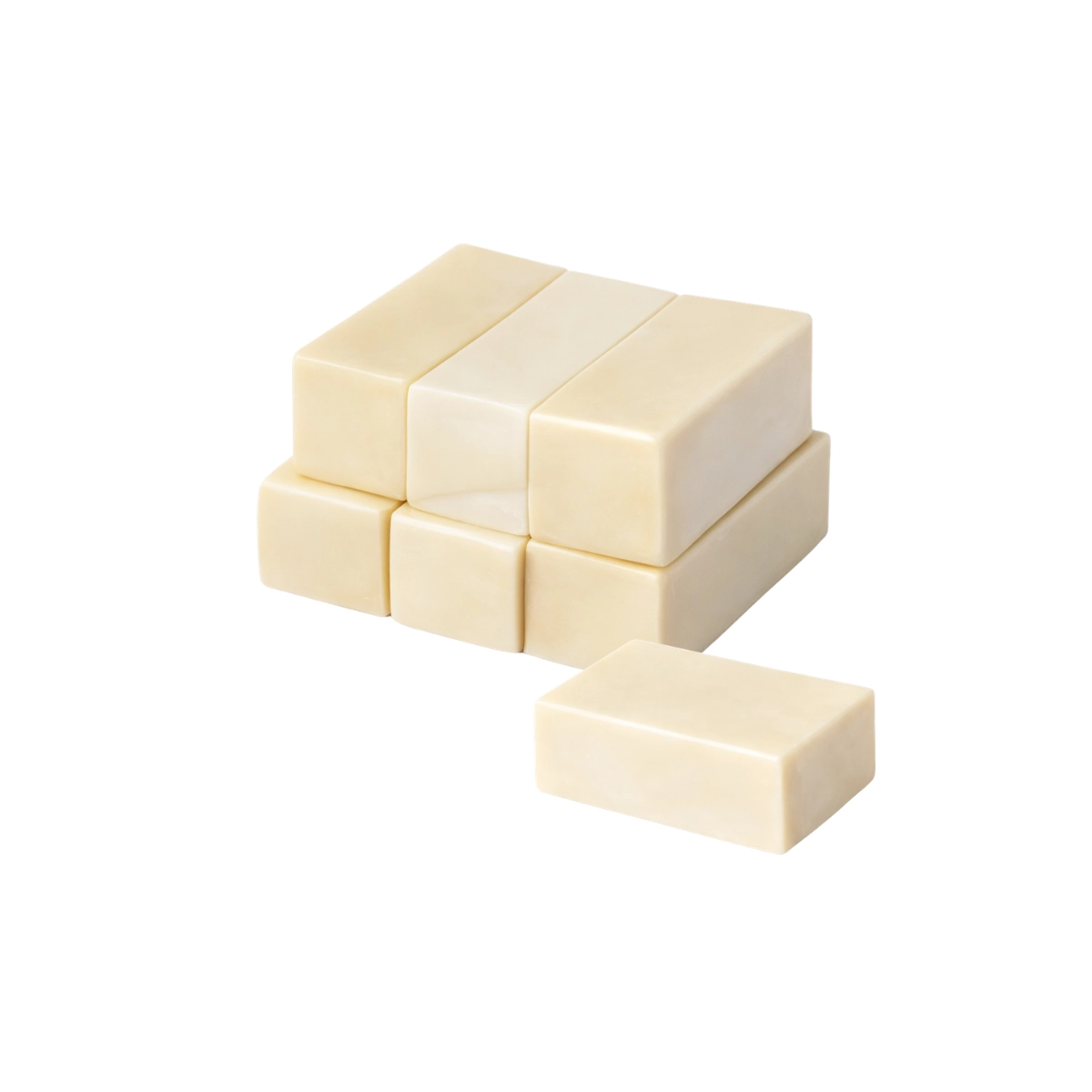
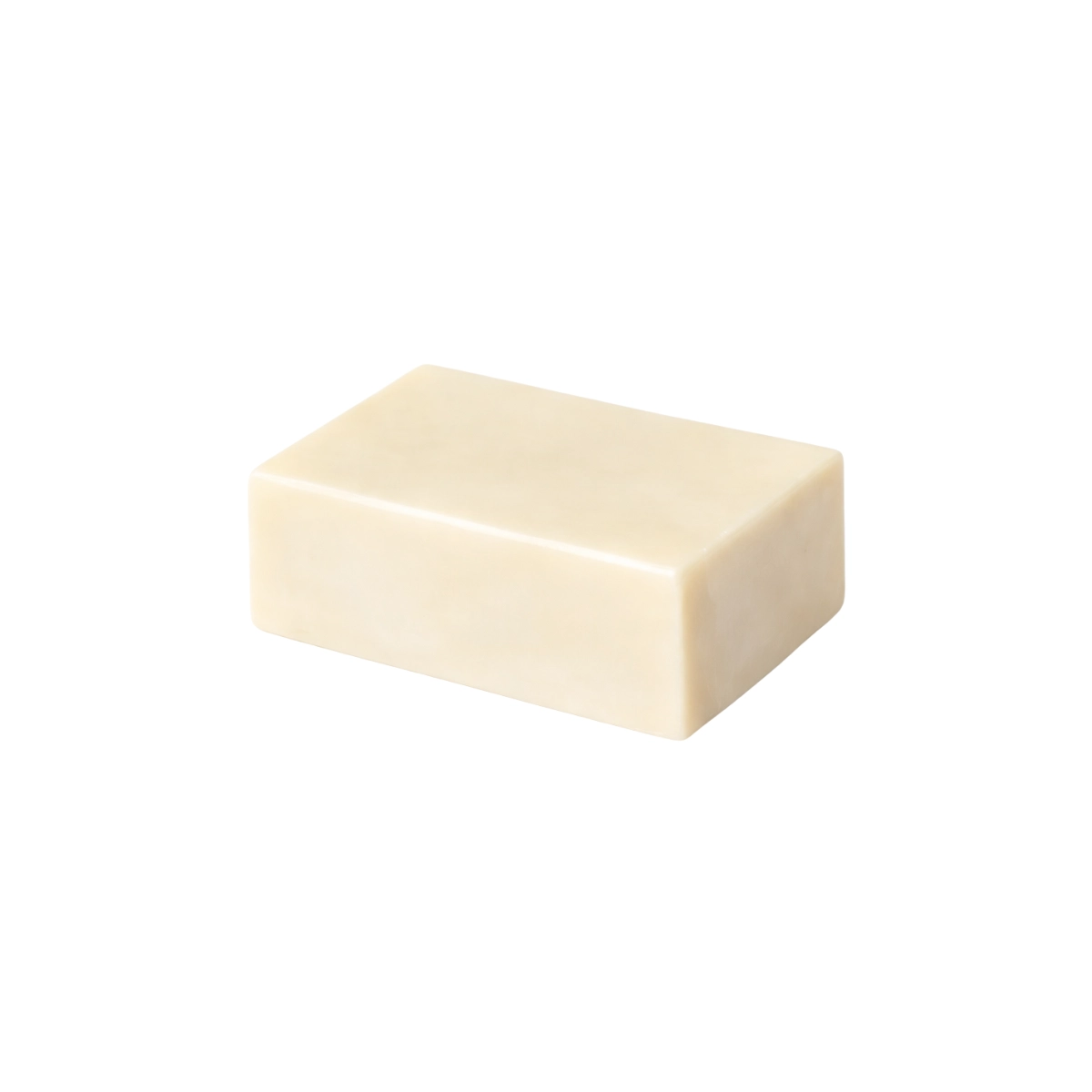
Evodent Bone Graft Practice Model for Student Training and Dental Implant Workshops, D1 D2 D3 D4
Original price was: ₹400.00 INR.₹245.00 INRCurrent price is: ₹245.00 INR.
Evodent bone graft practice model for dental colleges, students and workshops. Used for graft placement training and available in D1, D2, D3 and D4 bone-density variants.
Shipping & Benefits
- International shipping available
- Tracking details shared by email
- Trusted by dental professionals worldwide
Description
Evodent Bone Graft Practice Model is used by dental colleges, students and hands-on workshops for bone graft placement training. It gives learners a controlled model for practicing graft handling, simulated defect filling and implant-related surgical workflow before moving to clinical cases.
This model is available in D1, D2, D3 and D4 variants. In implant dentistry, D1 to D4 is a common way to describe bone-density types, from harder cortical bone feel to softer cancellous bone feel. These variants help students and trainers compare how grafting and surgical handling can change with different simulated bone conditions.
What This Evodent Bone Graft Practice Model Is Used For
This model is used for student training in dental bone grafting and implant-related surgical practice. It is useful when learners need to practice graft handling in a model before working on patients.
- Bone graft practice: Helps students practice placing graft material into a simulated defect area.
- Student training: Useful for colleges and workshops teaching basic graft placement technique.
- Implant surgery education: Supports graft-related discussions around implant site preparation.
- Workshop demonstration: Helps trainers explain graft handling, site preparation and surgical sequence.
- Hands-on practice: Gives learners a repeatable model for developing confidence and control.
What Do D1, D2, D3 and D4 Mean?
D1, D2, D3 and D4 refer to different bone-density categories used in implant dentistry. In simple terms, D1 represents the hardest bone feel and D4 represents the softest bone feel. D2 and D3 sit between those two ends.
- D1: Dense cortical bone feel. Used when the training goal is to understand harder bone handling.
- D2: Dense-to-moderate bone feel. Commonly used for general implant and grafting simulation exercises.
- D3: Moderate-to-soft bone feel. Useful for showing how handling changes in less dense bone.
- D4: Soft, low-density bone feel. Useful for training discussions where graft support and careful handling matter more.
These are training variants, not patient-use materials. They help students compare tactile response, preparation control and graft placement workflow across different simulated bone densities.
Why Bone Density Variants Matter in Training
Bone grafting does not feel the same in every surgical situation. A student who only practices on one type of model may not understand why pressure, preparation and graft adaptation need to change. D1 to D4 variants help trainers explain that difference clearly.
- Better comparison: Students can compare hard, moderate and soft simulated bone response.
- More useful workshops: Trainers can assign different density models to different groups.
- Improves surgical judgement: Learners can understand why handling changes with bone quality.
- Useful repetition: Colleges can use the models for repeated student exercises.
For Dental Colleges
Dental colleges can use this bone graft practice model in oral surgery, implantology and surgical skill training sessions. It helps faculty teach graft placement as a hands-on exercise rather than only explaining the concept through slides.
- Useful for student batches learning implant surgery basics.
- Helps demonstrate graft placement and defect filling.
- D1, D2, D3 and D4 variants support comparative teaching.
- Good for faculty demonstrations and practical sessions.
For Students
Students can use this model to practice basic graft handling and surgical sequence in a safer, repeatable setup. It is especially useful before attending advanced implant workshops or observing clinical grafting procedures.
- Helps build confidence with graft placement steps.
- Useful for understanding site preparation and material adaptation.
- Allows repeated practice without depending on clinical cases.
- Supports revision of implant surgery and bone grafting basics.
For Workshops and Implant Training Courses
Workshops need models that allow every participant to practice the same exercise. The D1 to D4 options make it easier to build structured sessions around bone density, graft placement and surgical handling.
- Useful for hands-on implant and bone graft workshops.
- Helps trainers demonstrate the difference between dense and soft bone-feel models.
- Works well for short training sessions where participants need a clear practical exercise.
- Supports graft placement, handling and sequence demonstration.
Training Areas This Model Can Support
- Bone graft handling: Practice loading, placing and adapting graft material.
- Defect filling: Demonstrate how graft material is positioned inside a simulated defect.
- Implant site discussion: Useful for explaining grafting concepts around implant planning.
- Surgical sequencing: Helps teach preparation, graft placement and review.
- Density comparison: D1, D2, D3 and D4 variants support comparative student training.
How to Use This Bone Graft Practice Model
Use the model in a student training station, surgical workshop or faculty demonstration setup. The exact workflow depends on the course protocol and the graft material selected for practice.
- Select the required D1, D2, D3 or D4 variant.
- Prepare the model according to the planned training exercise.
- Use the selected graft material or substitute material as instructed by the trainer.
- Practice site preparation, graft loading and placement.
- Review adaptation, handling and surgical sequence after the exercise.
Before Ordering
Please confirm the required density variant before ordering. D1, D2, D3 and D4 are separate training options, so the right choice depends on whether the exercise needs hard, moderate or soft simulated bone-feel practice.
Technical Specifications
- Product type: Bone graft practice model
- Primary use: Dental bone graft and implant surgery student training
- Available variants: D1, D2, D3 and D4
- D1 variant: Dense cortical bone-feel simulation
- D2 variant: Dense-to-moderate bone-feel simulation
- D3 variant: Moderate-to-soft bone-feel simulation
- D4 variant: Soft, low-density bone-feel simulation
- Training focus: Graft placement, graft handling, defect filling, bone-density comparison and surgical workflow demonstration
- Use setting: Dental college practical sessions, implant workshops, student training and faculty demonstrations
- Recommended for: Dental colleges, students, implant training centers, oral surgery departments and workshop trainers
- Clinical note: For training and demonstration use only; not for patient use
FAQs – Evodent Bone Graft Practice Model
Q. What is the Evodent Bone Graft Practice Model used for?
A. It is used for dental bone graft practice, graft placement training, implant surgery education and student surgical workflow demonstrations.
Q. Who uses this model?
A. Dental colleges, students, implant training centers, oral surgery departments and workshop trainers use this model for bone graft and implant-related hands-on training.
Q. What do D1, D2, D3 and D4 mean?
A. D1, D2, D3 and D4 describe different simulated bone-density variants. D1 gives a harder bone feel, D2 is dense-to-moderate, D3 is moderate-to-soft and D4 gives a softer low-density bone feel.
Q. Why are D1 to D4 variants useful for students?
A. They help students compare how graft placement, site preparation and handling can feel different across harder and softer simulated bone conditions.
Q. Is this useful for dental college training?
A. Yes. Dental colleges can use it in oral surgery, implantology and surgical skill training sessions where students need hands-on graft placement practice.
Q. Can this be used in implant workshops?
A. Yes. It is useful for hands-on implant and bone graft workshops where every participant needs a controlled model for graft placement and surgical sequence practice.
Q. Is this model for patient use?
A. No. This is a training and demonstration model only. It is not intended for patient use.
You may also like…
- Sale!

Evodent Sinus Lift Demonstration Model – Dental Implant Practice and Sinus Augmentation Training Model
Original price was: ₹5,000.00 INR.₹3,995.00 INRCurrent price is: ₹3,995.00 INR. - Sale!
Evodent Implant Practice Model Upper
Original price was: ₹4,000.00 INR.₹1,995.00 INRCurrent price is: ₹1,995.00 INR. - Sale!
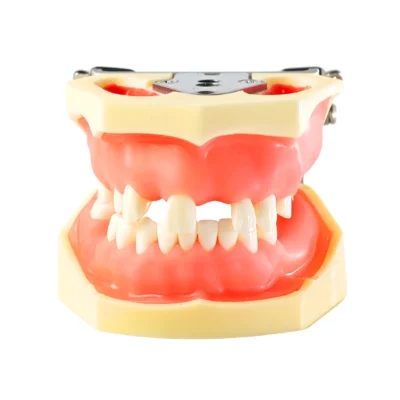
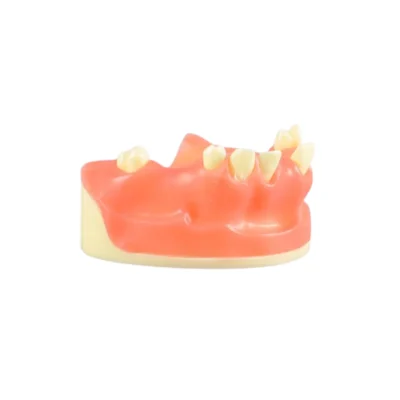
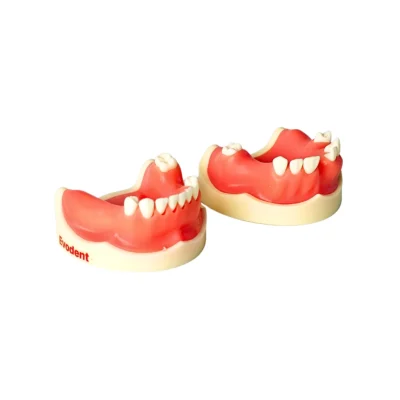
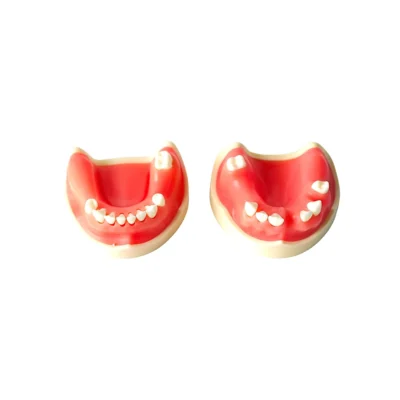
Evodent Partially Edentulous Implant Practice Model, Upper & Lower Jaw Training Set
Original price was: ₹8,000.00 INR.₹2,995.00 INRCurrent price is: ₹2,995.00 INR. - Sale!
Evodent Implant Practice Model for Implant and Suturing
Original price was: ₹5,000.00 INR.₹2,995.00 INRCurrent price is: ₹2,995.00 INR.
Related products
- Sale!
Evodent Dental Typodont Model with Soft Gingiva and Removable Teeth, Dental Extraction Demonstration Model with Root Anatomy for Patient Education
Original price was: ₹5,000.00 INR.₹2,995.00 INRCurrent price is: ₹2,995.00 INR. - Sale!
Evodent Three Times Silicone Plaster Mold for Crown, Tooth-Specific Crown Making Mold
Original price was: ₹1,500.00 INR.₹895.00 INRCurrent price is: ₹895.00 INR. - Sale!
Evodent Edentulous Denture Mold, Silicone Dental Cast Mold – Upper and Lower Jaw
Original price was: ₹5,000.00 INR.₹1,995.00 INRCurrent price is: ₹1,995.00 INR. - Sale!
Evodent Primary Teeth with Apex for Orthodontic Practice, Pediatric Dental Training Teeth Set, Pedodontic Dentition Model for Patient Education
Original price was: ₹8,000.00 INR.₹1,995.00 INRCurrent price is: ₹1,995.00 INR.