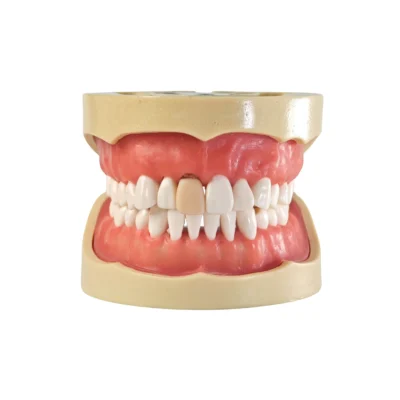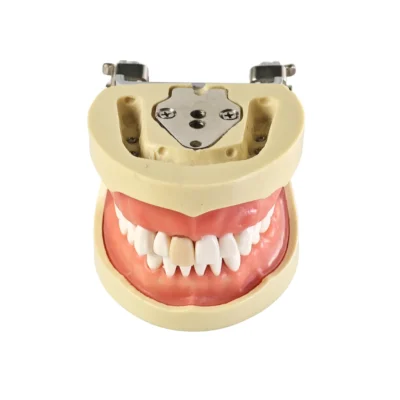
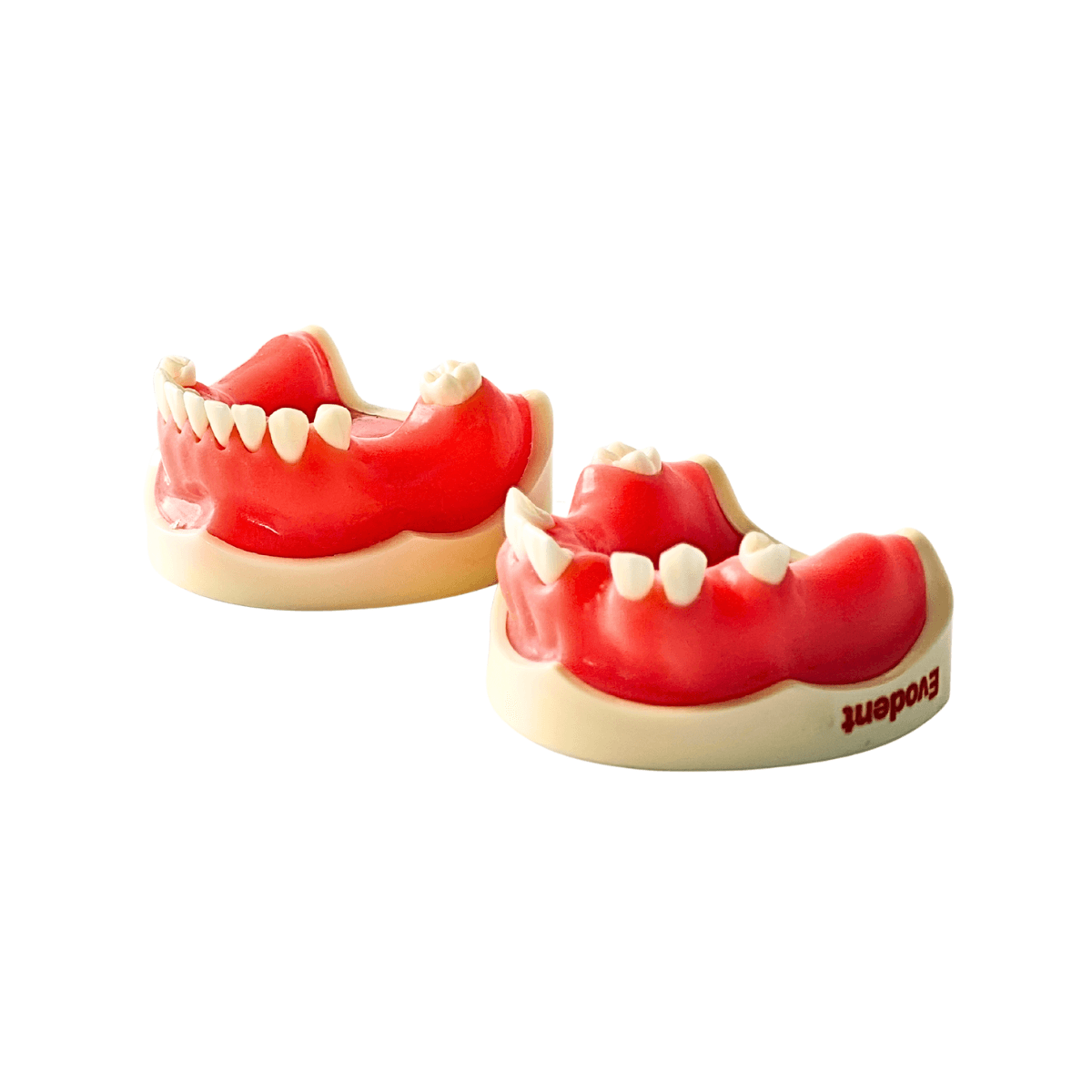
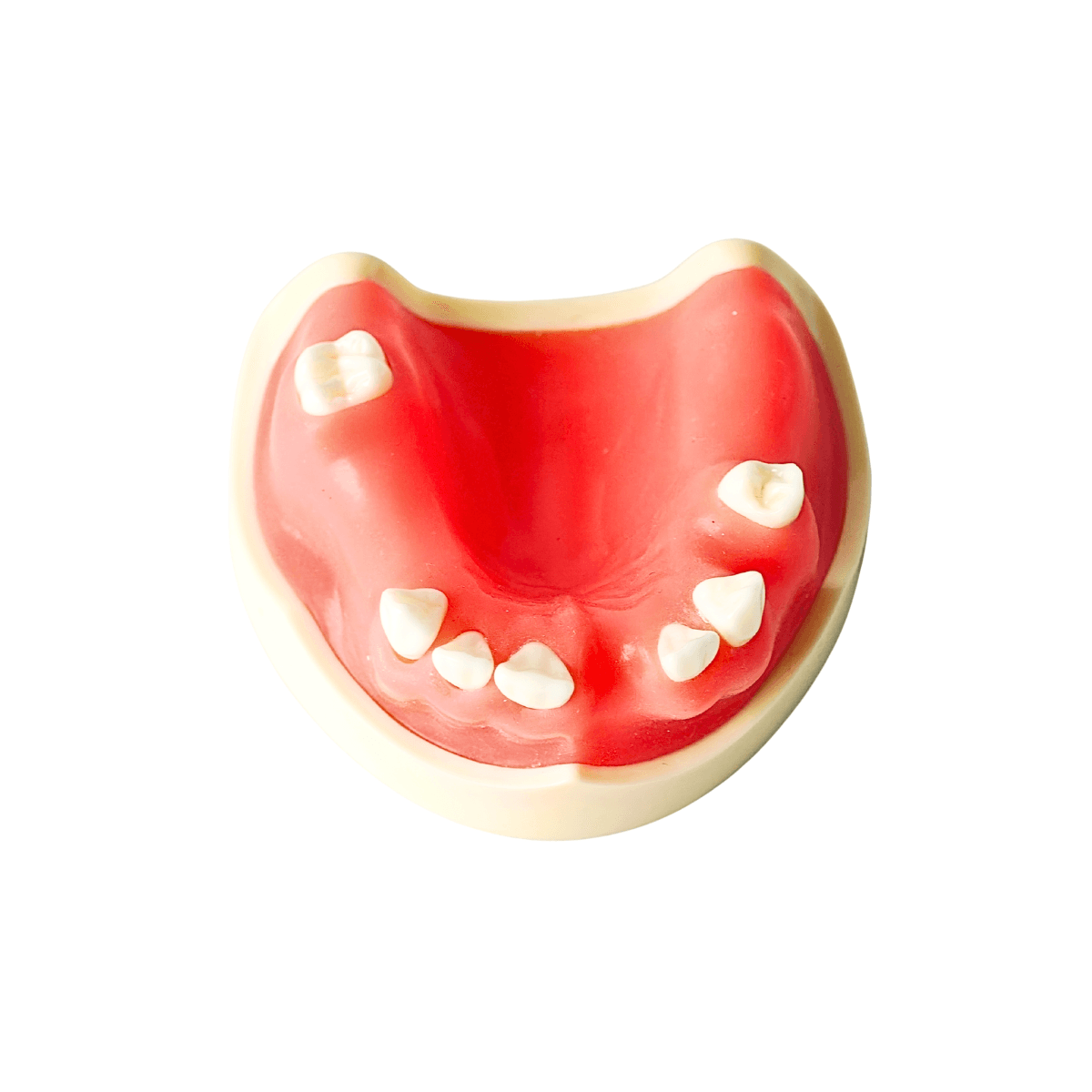
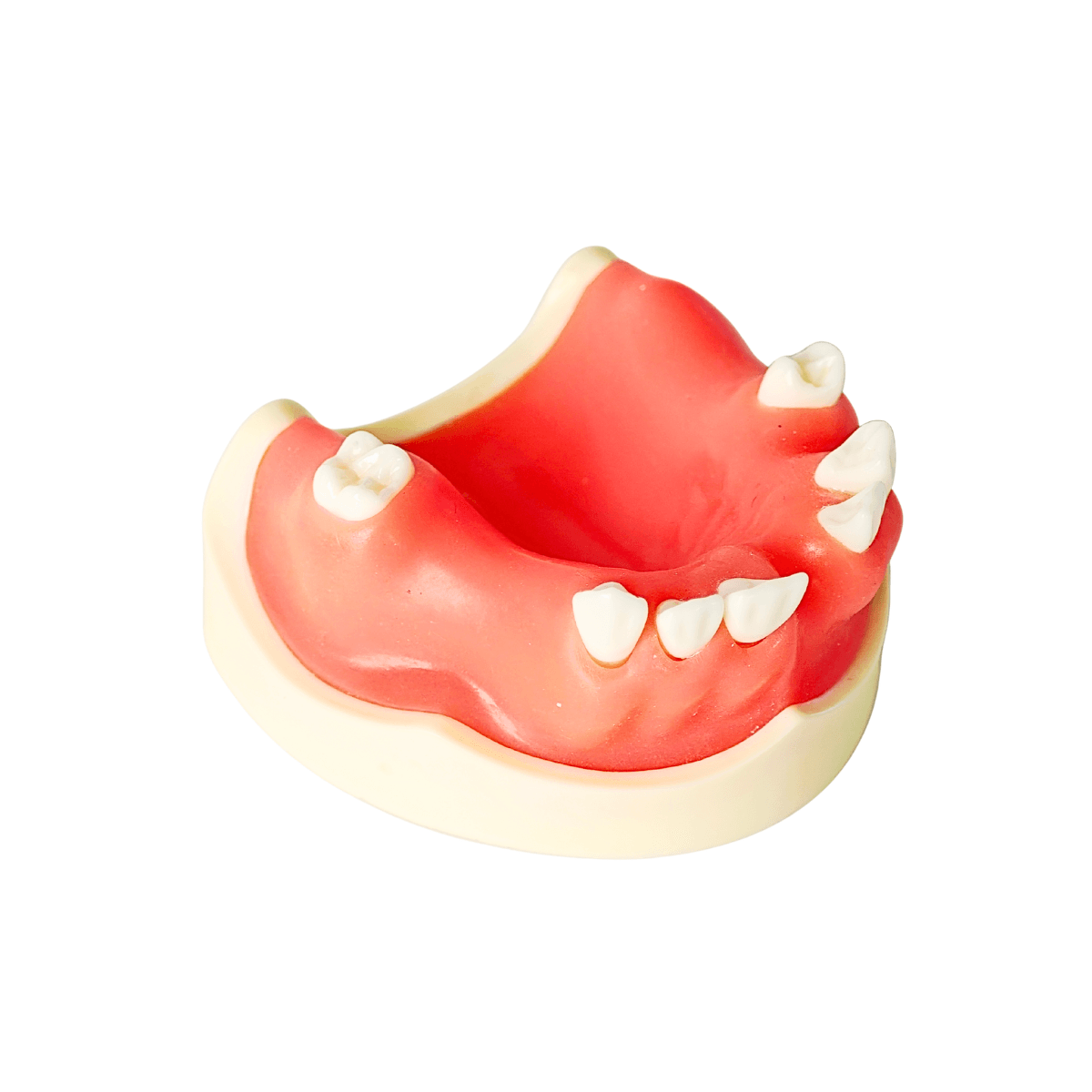
Evodent Partially Edentulous Implant Practice Model, Upper & Lower Jaw Training Set
Original price was: ₹8,000.00 INR.₹2,995.00 INRCurrent price is: ₹2,995.00 INR.
Partially edentulous upper and lower jaw implant practice model for dental students, colleges and implant training programs. Designed for hands-on implant education and simulation.
Shipping & Benefits
- International shipping available
- Tracking details shared by email
- Trusted by dental professionals worldwide
Description
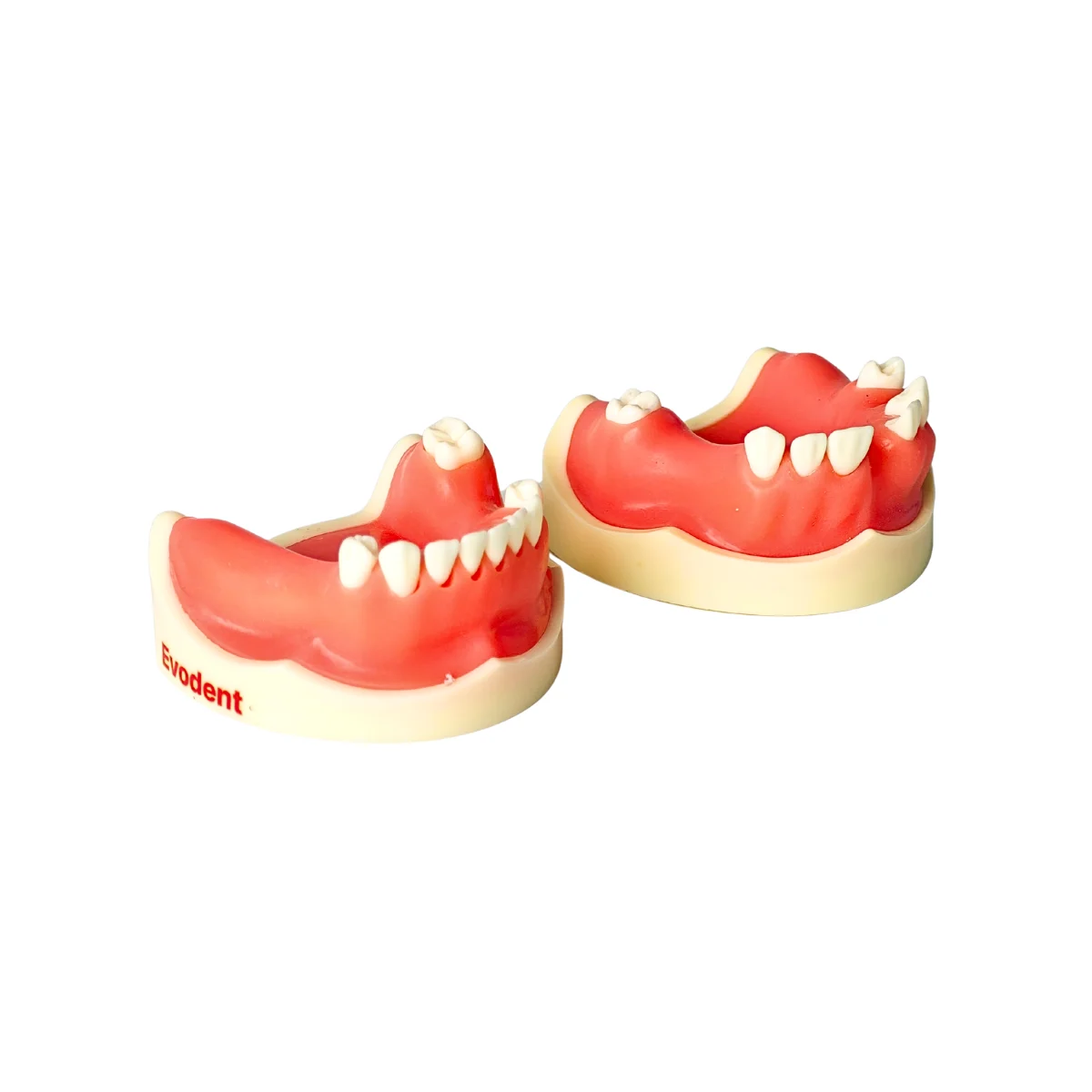
The Evodent Partially Edentulous Implant Practice Model is an upper and lower jaw training set designed for dental implant education, pre-clinical practice and classroom demonstration.
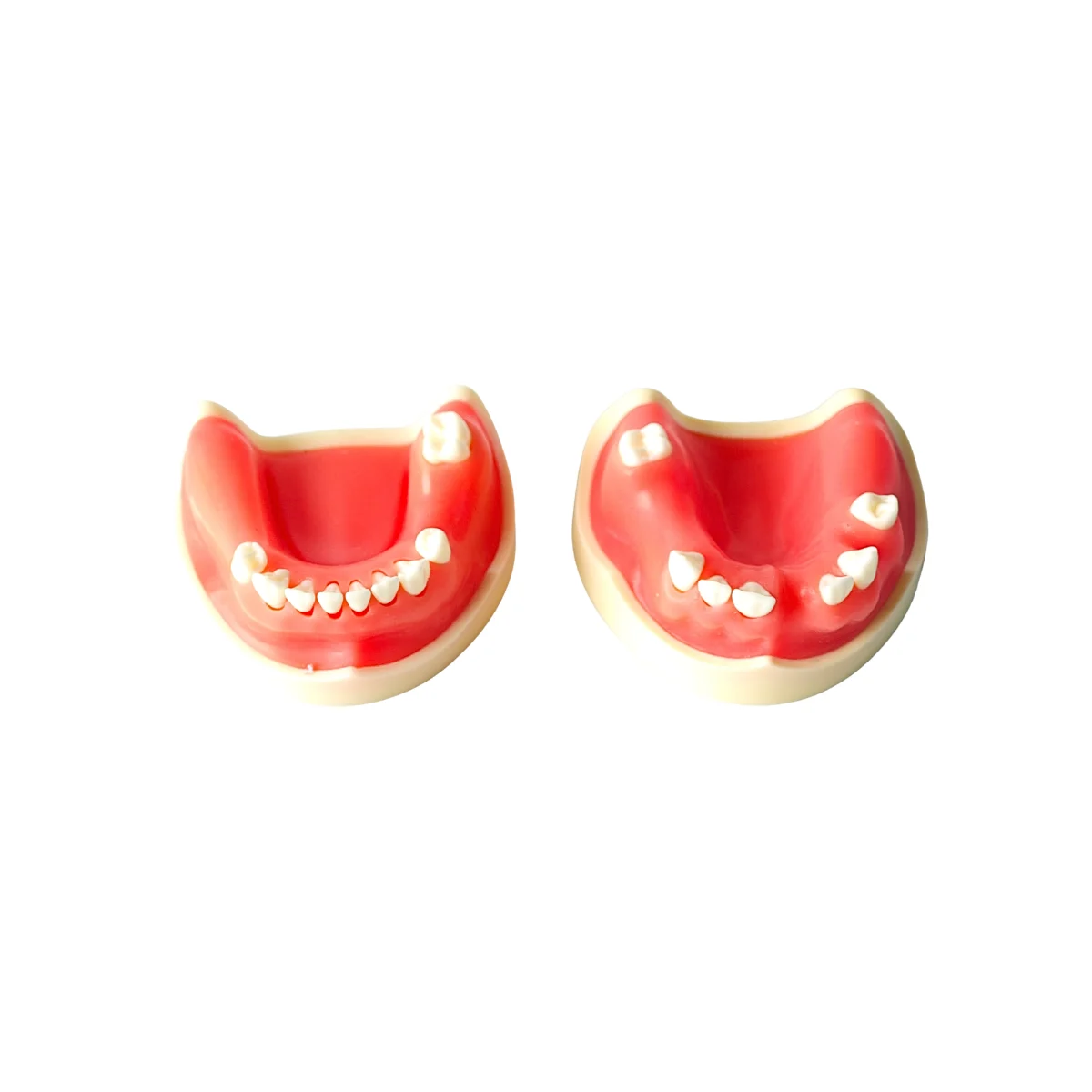
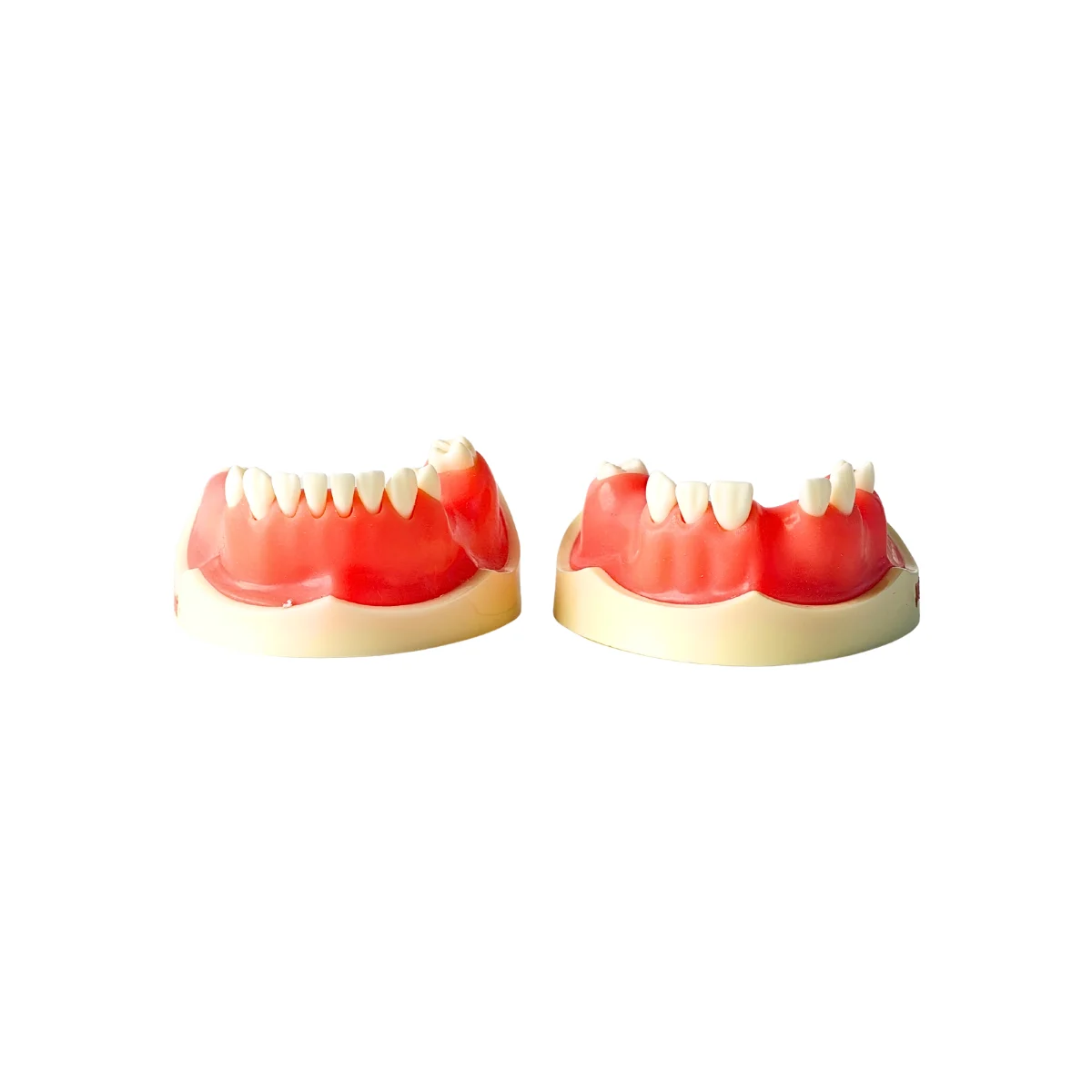
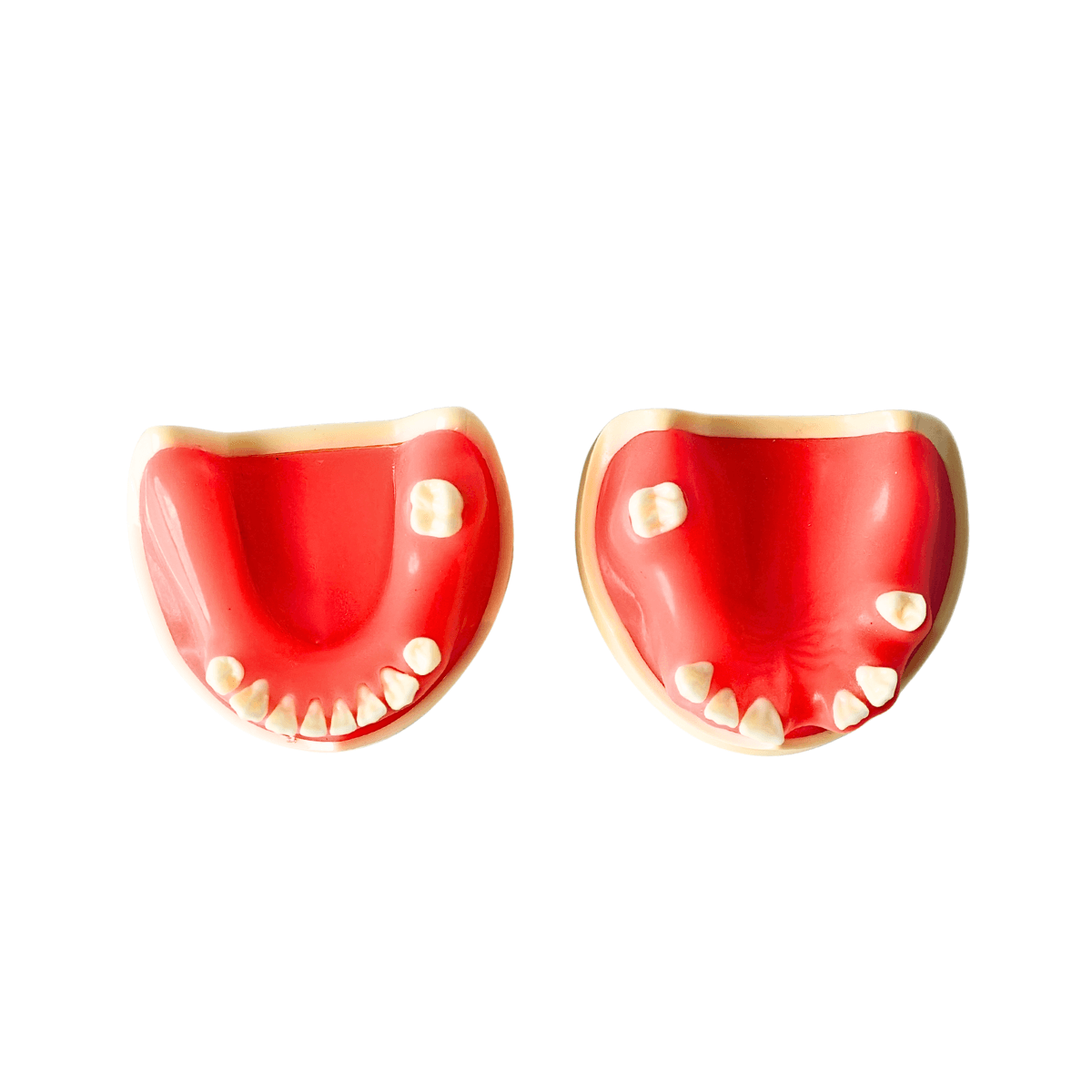
Each arch shows a partially edentulous situation, with remaining teeth alongside missing-tooth spaces. This gives students a more useful implant training context than an isolated block because implant position can be considered in relation to neighbouring teeth, available restorative space and the overall arch.
The model is intended for dental students, colleges, implant training centres and educators who need a practical jaw model for implant site planning, demonstration and hands-on simulation.
What Is a Partially Edentulous Implant Practice Model?
A partially edentulous implant practice model represents a dental arch in which some natural teeth are present and other tooth positions are missing.
For implant training, this matters because students are not looking at the implant site in isolation. They can consider how a proposed implant relates to:
- Adjacent teeth
- Missing-tooth spaces
- Available restorative space
- The shape and position of the dental arch
- Upper and lower jaw orientation
- The intended prosthetic position
This makes the model useful for both practical exercises and implant treatment-planning discussions.
What Can Students Practice on This Implant Training Model?
The Evodent Partially Edentulous Implant Practice Model is primarily designed for pre-clinical implant education. The exact exercise depends on the implant system, instruments and training protocol being used.
Students can use the model for:
- Identifying potential implant sites in a partially edentulous arch
- Understanding the relationship between an implant site and adjacent teeth
- Planning implant position and angulation
- Discussing restorative space before implant placement
- Comparing maxillary and mandibular implant sites
- Practicing implant site orientation
- Drilling and implant placement simulation where included in the training protocol
- Reviewing implant position after a practical exercise
- Faculty demonstrations and hands-on implant workshops
Upper and Lower Jaw Pair
The product includes one upper jaw and one lower jaw model, both with partially edentulous configurations.
Having both arches gives students more than one type of training situation. They can compare how access, arch position and the relationship to the remaining teeth differ between the maxilla and mandible.
This is useful in teaching sessions where the instructor wants students to think about implant placement as part of the complete dental arch rather than as a single isolated site.
Why Use a Partially Edentulous Model for Implant Training?
A partially edentulous jaw is useful for implant education because the missing-tooth area is surrounded by real reference points within the model.
Students can assess where the space begins and ends, how close the proposed site is to neighbouring teeth and how the planned implant position may relate to the future restoration.
This helps connect implant placement with the broader treatment-planning process instead of treating drilling and placement as a separate mechanical exercise.
How to Use the Implant Practice Model
The model can be used for individual study, faculty demonstration or a structured practical session.
- Select the upper or lower jaw according to the exercise.
- Choose the edentulous site that will be used for the training session.
- Assess the neighbouring teeth, available space and proposed restorative position.
- Plan the intended implant position and angulation according to the teaching protocol.
- Mark the site if required for the exercise.
- Use the selected implant training instruments and drilling sequence according to the implant system or instructor guidance.
- Perform the planned implant placement simulation if it forms part of the exercise.
- Review the final position in relation to the adjacent teeth, arch form and planned restoration.
- Compare the result with the instructor’s plan or the intended training objective.
The model should always be used according to the implant system, instrumentation and educational protocol selected for the training session.
How This Model Helps with Implant Treatment Planning
Implant training is not only about creating an osteotomy or placing an implant. Position matters because the implant has to work with the final restoration and the surrounding dentition.
The partially edentulous design allows students to discuss questions such as:
- Where should the implant be positioned within the edentulous space?
- How does the implant relate to the adjacent teeth?
- Is the planned angulation appropriate for the restorative position?
- How does the site differ between the upper and lower arch?
- How should the final implant position be reviewed after the exercise?
These questions make the model useful before, during and after a practical implant exercise.
Suitable for Students, Colleges and Implant Courses
The Evodent Partially Edentulous Implant Practice Model is suitable for:
- Dental students
- Postgraduate dental training
- Dental colleges
- Implant training centres
- Pre-clinical laboratories
- Faculty demonstrations
- Hands-on implant courses
- Classroom treatment-planning discussions
It can be used as a practical training aid before students progress to more advanced simulation or supervised clinical implant training.
Key Features
- Partially edentulous implant practice model
- Upper and lower jaw pair
- Designed for dental implant training and education
- Shows remaining teeth and missing-tooth spaces in the same arch
- Useful for implant site selection and positioning exercises
- Supports implant treatment-planning discussions
- Suitable for drilling and placement simulation when appropriate to the training protocol
- Useful for comparing maxillary and mandibular implant sites
- Suitable for dental students, colleges and implant training programs
- Useful for faculty demonstrations and hands-on courses
Technical Specifications
- Product Name: Evodent Partially Edentulous Implant Practice Model
- Product Type: Dental implant training and practice model
- Configuration: Partially edentulous
- Set Configuration: Upper jaw and lower jaw pair
- Dental Condition Represented: Remaining teeth with edentulous spaces
- Primary Application: Pre-clinical implant training
- Training Applications: Implant site selection, position planning, angulation discussion, drilling simulation, placement simulation and post-exercise review
- Teaching Applications: Implant education, treatment-planning discussion and faculty demonstration
- Suitable Users: Dental students, postgraduate trainees, dental colleges, implant training centres and educators
- Use Environment: Pre-clinical laboratory, classroom, workshop or training centre
- Intended Use: Educational and training use
FAQs
Q. What is the Evodent Partially Edentulous Implant Practice Model used for?
A. It is a pre-clinical training model for dental implant education. The upper and lower jaws show partially edentulous situations so students can study implant site selection, position, angulation and the relationship of the proposed implant to the surrounding teeth.
Q. Why is a partially edentulous model useful for implant practice?
A. It gives the student reference points that an isolated block does not. The missing-tooth space can be assessed in relation to the remaining teeth, available restorative space and overall arch. This makes implant planning and placement exercises easier to connect with the final restorative objective.
Q. Does the set include both upper and lower jaw models?
A. Yes. The set includes one partially edentulous upper jaw and one partially edentulous lower jaw, allowing students to work with both maxillary and mandibular training situations.
Q. What can students practice on this implant training model?
A. Students can use it for implant site identification, position and angulation planning, restorative-space assessment, drilling simulation, implant placement simulation where appropriate and review of the final implant position. The exact exercise depends on the implant system and teaching protocol.
Q. Can students practice implant placement on this model?
A. Yes, when implant placement forms part of the training protocol. Students should follow the drilling sequence, instruments and placement instructions for the implant system being taught rather than using a generic drilling approach.
Q. Can the model be used for implant treatment-planning exercises?
A. Yes. The partially edentulous design is useful for discussing where an implant may be positioned, how it relates to adjacent teeth, the available restorative space and how the planned position differs between the upper and lower jaw.
Q. Is this model suitable for dental colleges and implant courses?
A. Yes. It is suitable for dental colleges, pre-clinical laboratories, postgraduate training, implant workshops and faculty demonstrations where students need a physical jaw model for implant education and practical exercises.
You may also like…
- Sale!

Evodent Implant Practice Model Upper
Original price was: ₹4,000.00 INR.₹1,995.00 INRCurrent price is: ₹1,995.00 INR. - Sale!
Evodent Implant Practice Model for Implant and Suturing
Original price was: ₹5,000.00 INR.₹2,995.00 INRCurrent price is: ₹2,995.00 INR. - Sale!
Evodent Orthodontic Implant Practice Model
Original price was: ₹5,000.00 INR.₹2,295.00 INRCurrent price is: ₹2,295.00 INR. - Sale!
Evodent Sinus Lift Demonstration Model – Dental Implant Practice and Sinus Augmentation Training Model
Original price was: ₹5,000.00 INR.₹3,995.00 INRCurrent price is: ₹3,995.00 INR.
Related products
- Sale!
Evodent Anatomical Dental Tooth Model with Root & Pulp, Individual Tooth
Original price was: ₹500.00 INR.₹295.00 INRCurrent price is: ₹295.00 INR. - Sale!
Evodent Signature Root Canal Model with Jaw and Removable Tooth
Original price was: ₹7,000.00 INR.₹6,490.00 INRCurrent price is: ₹6,490.00 INR. - Sale!
Evodent Endodontic Root Canal Practice Training Block, RCT Block For Students and Workshops
Original price was: ₹500.00 INR.₹385.00 INRCurrent price is: ₹385.00 INR. - Sale!
Evodent Typodont Teeth with Metal Root and Tooth Color Crown, For Orthodontic Training, Set of 28 Teeth
Original price was: ₹20,000.00 INR.₹9,990.00 INRCurrent price is: ₹9,990.00 INR.