
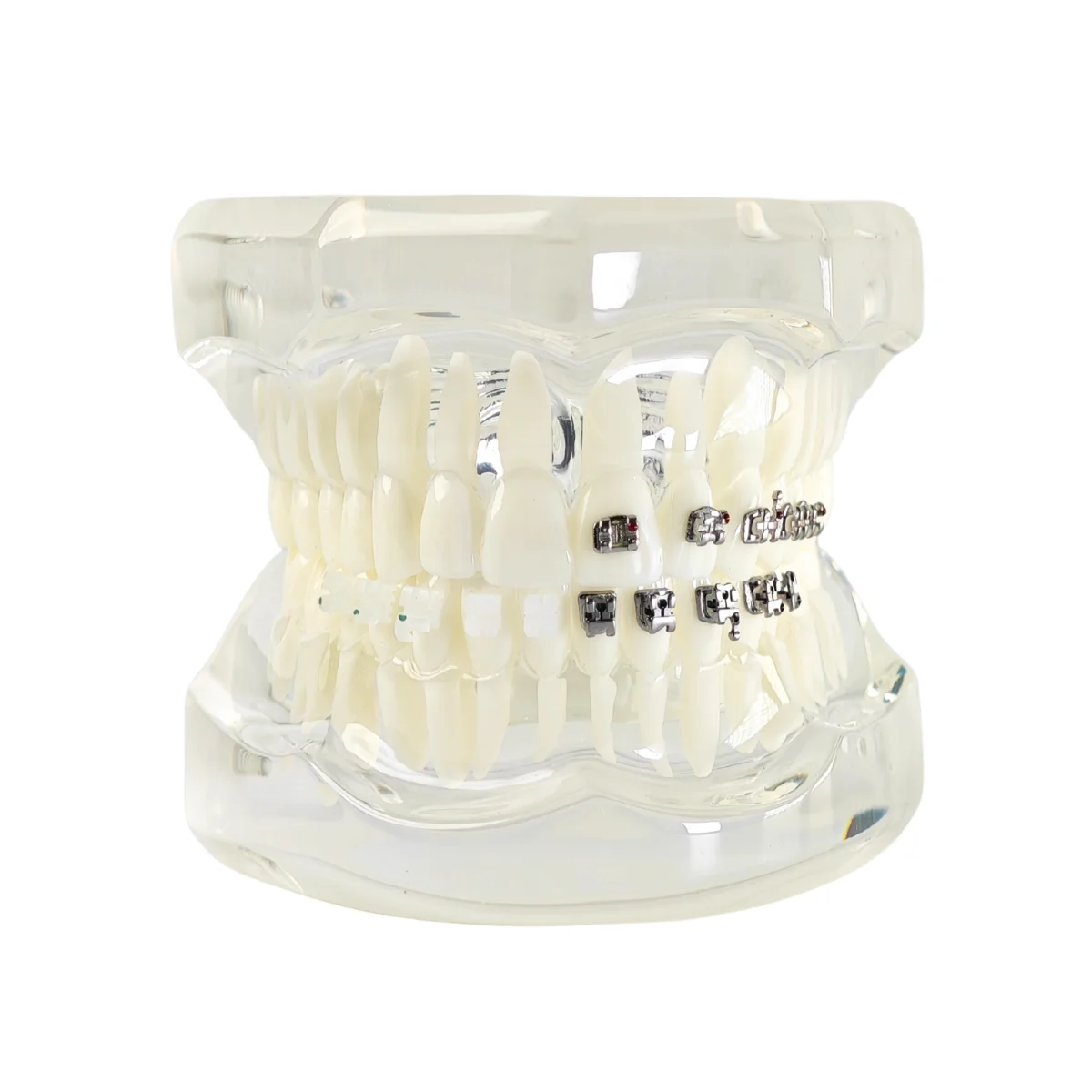
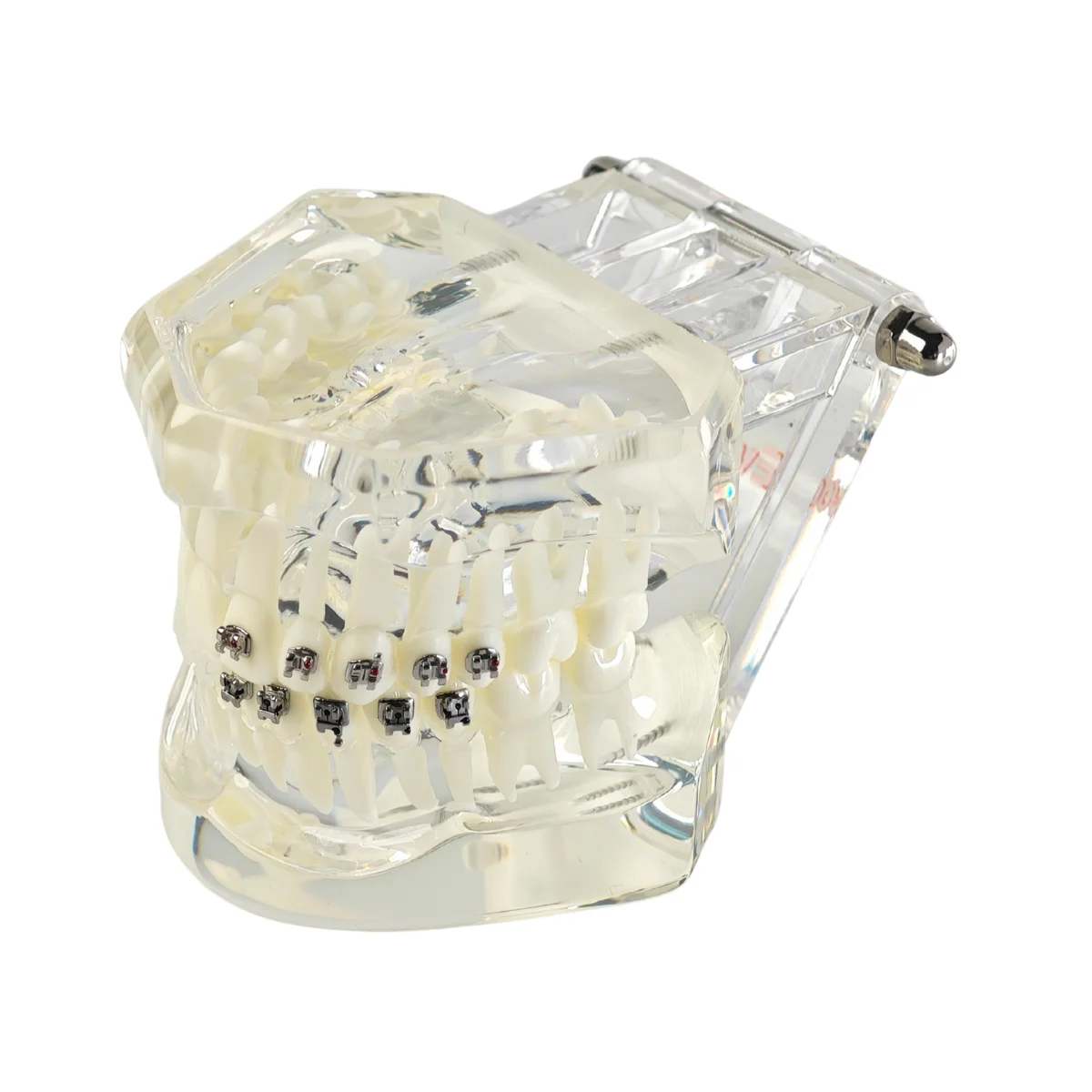
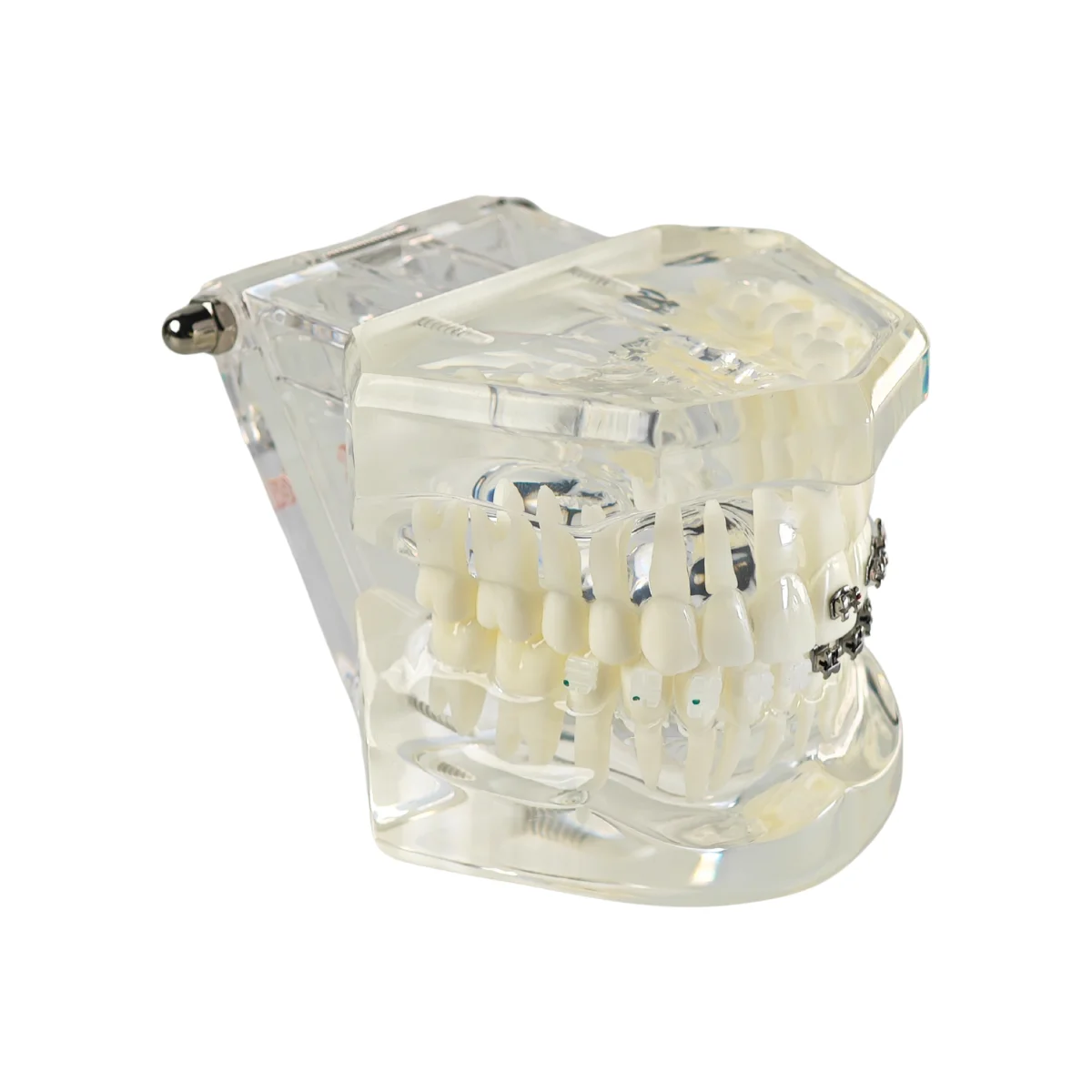
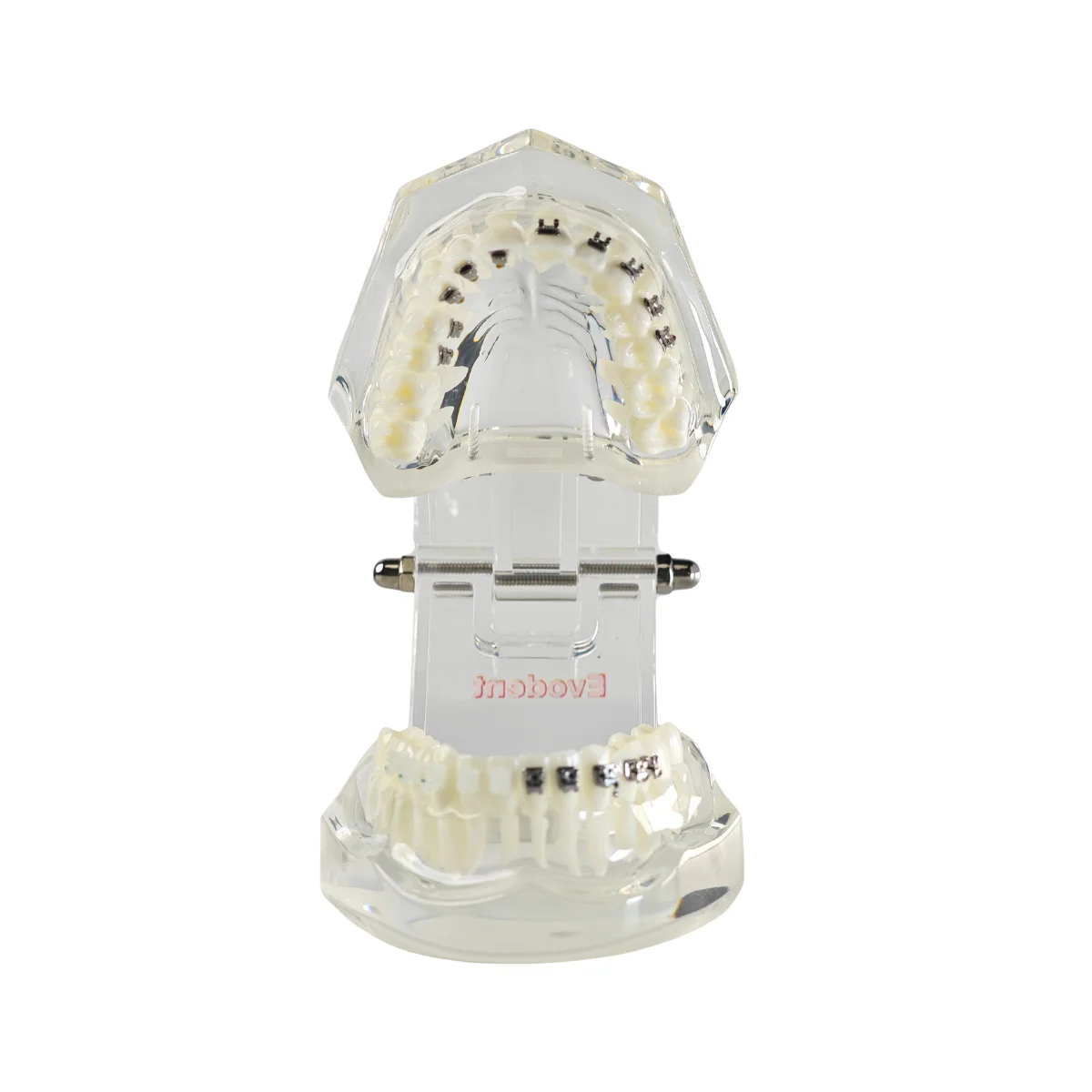
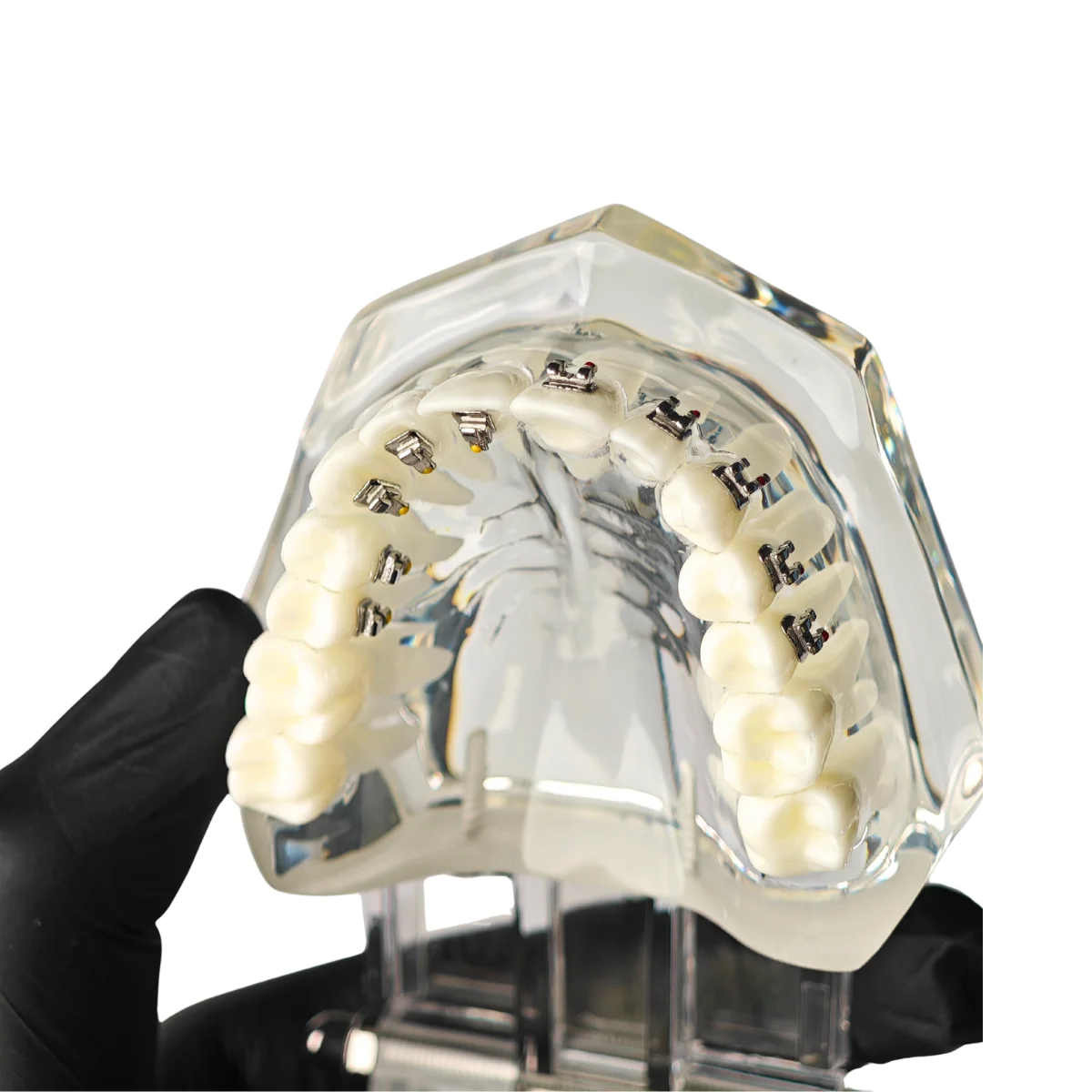
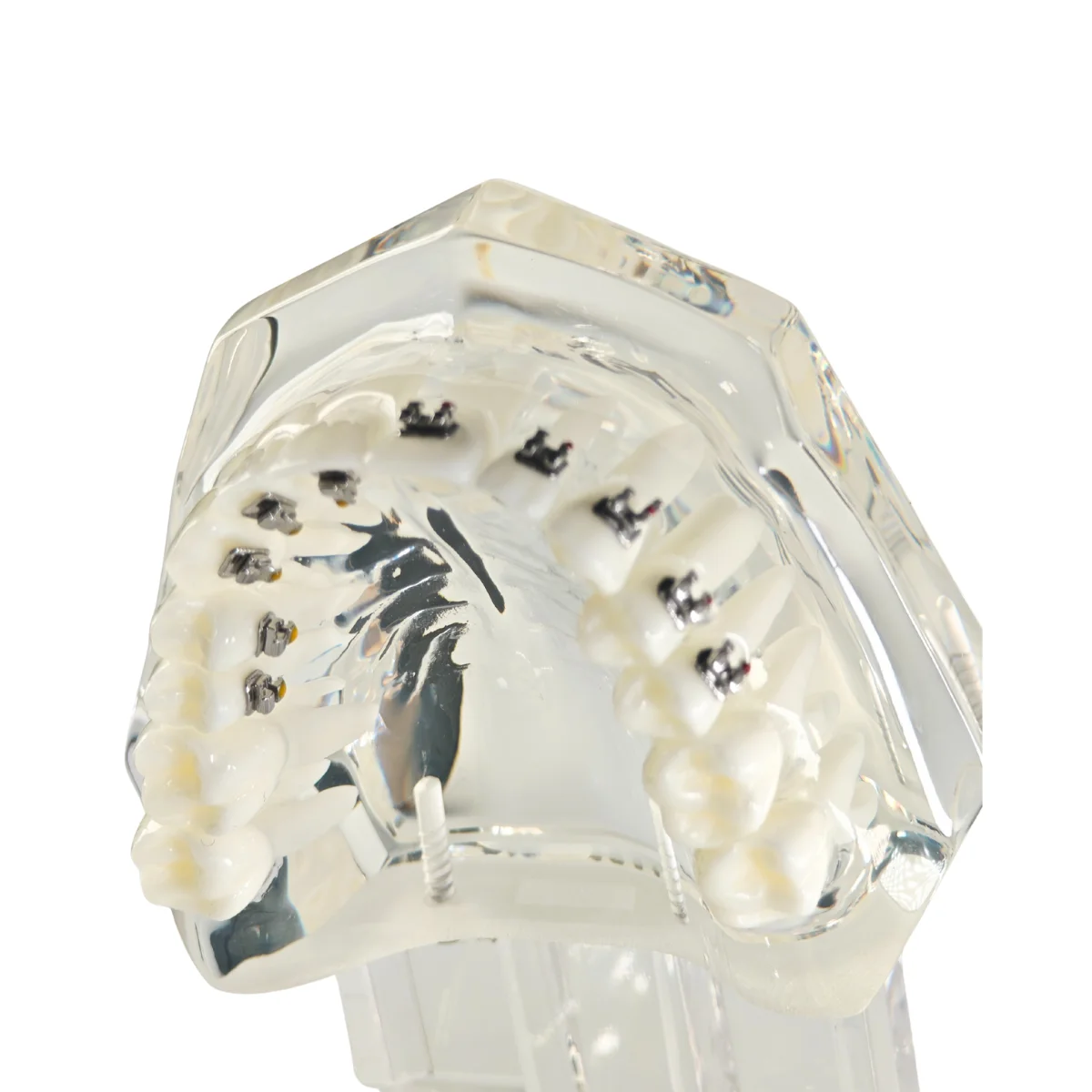
Evodent Four in One Orthodontic Bracket Types Demonstration Model – Metal, Ceramic, Self-Ligating & Lingual Braces
Original price was: ₹10,000.00.₹4,995.00Current price is: ₹4,995.00.
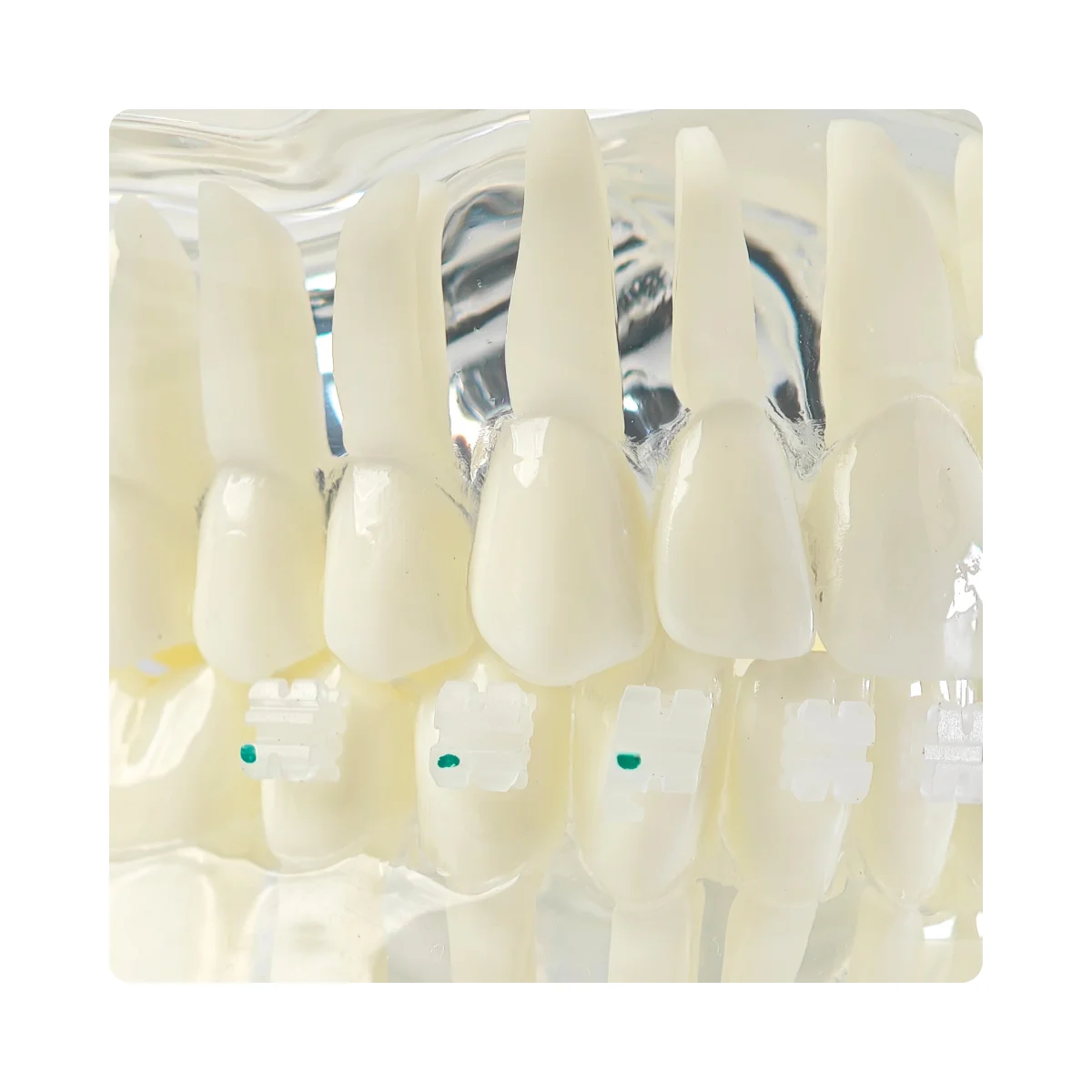
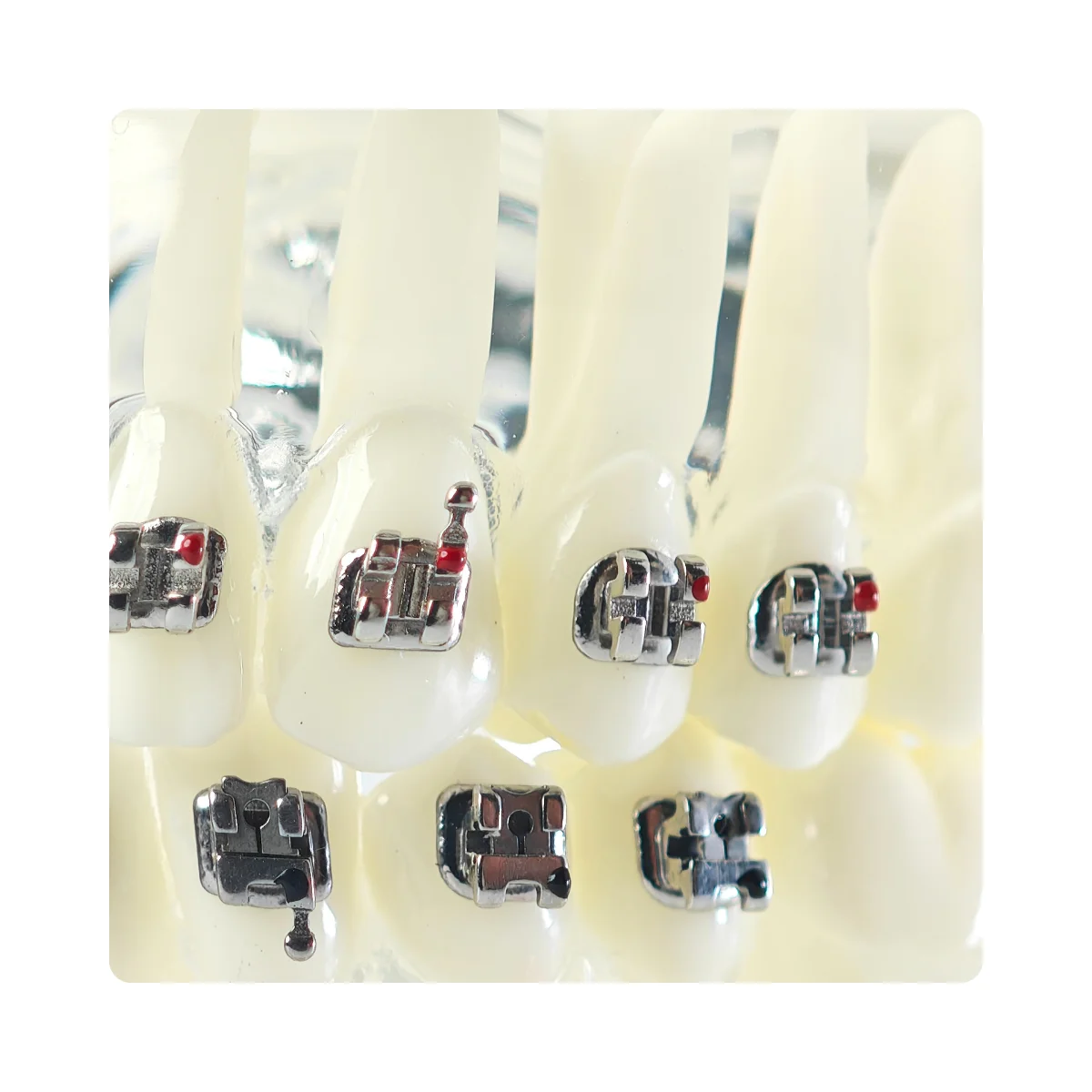
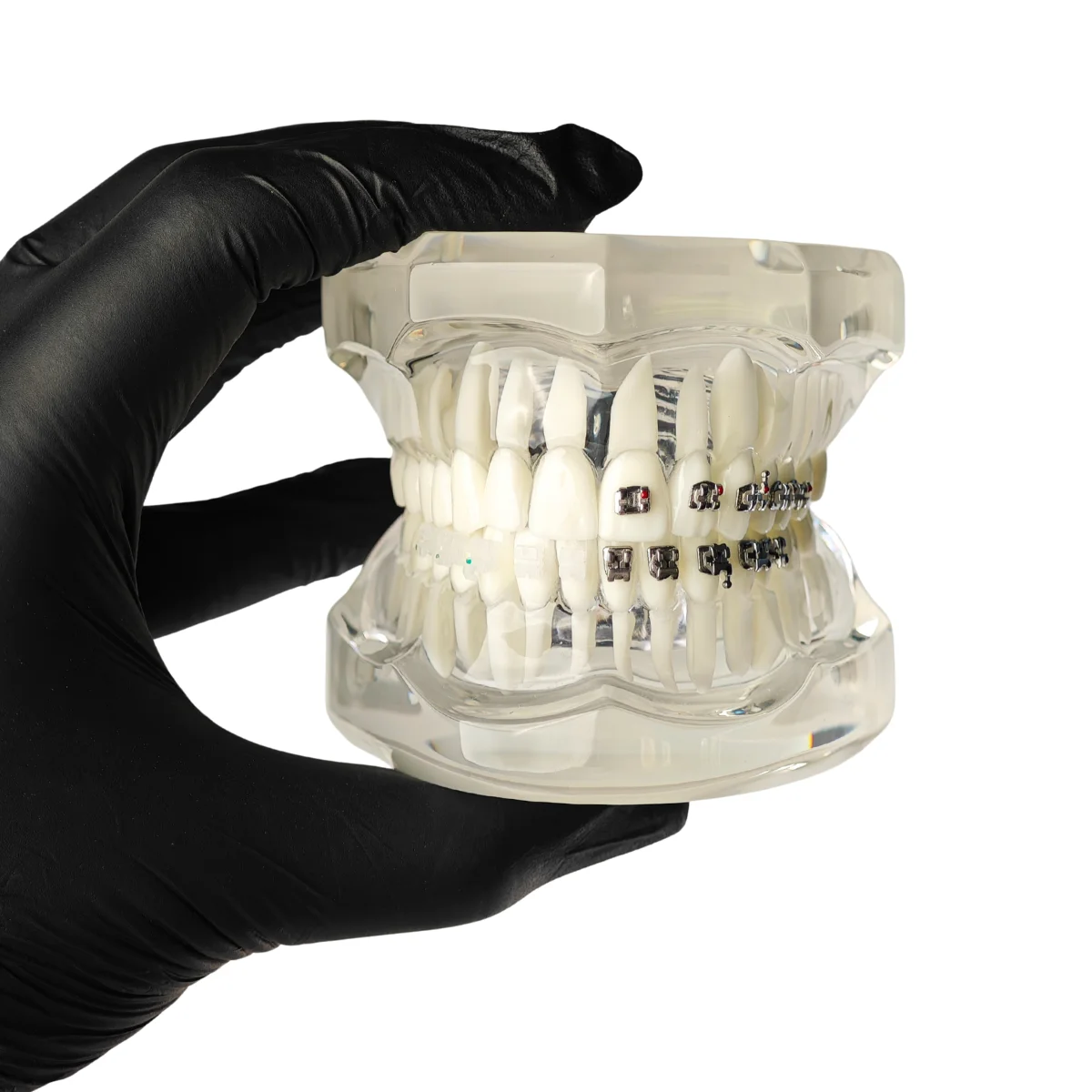
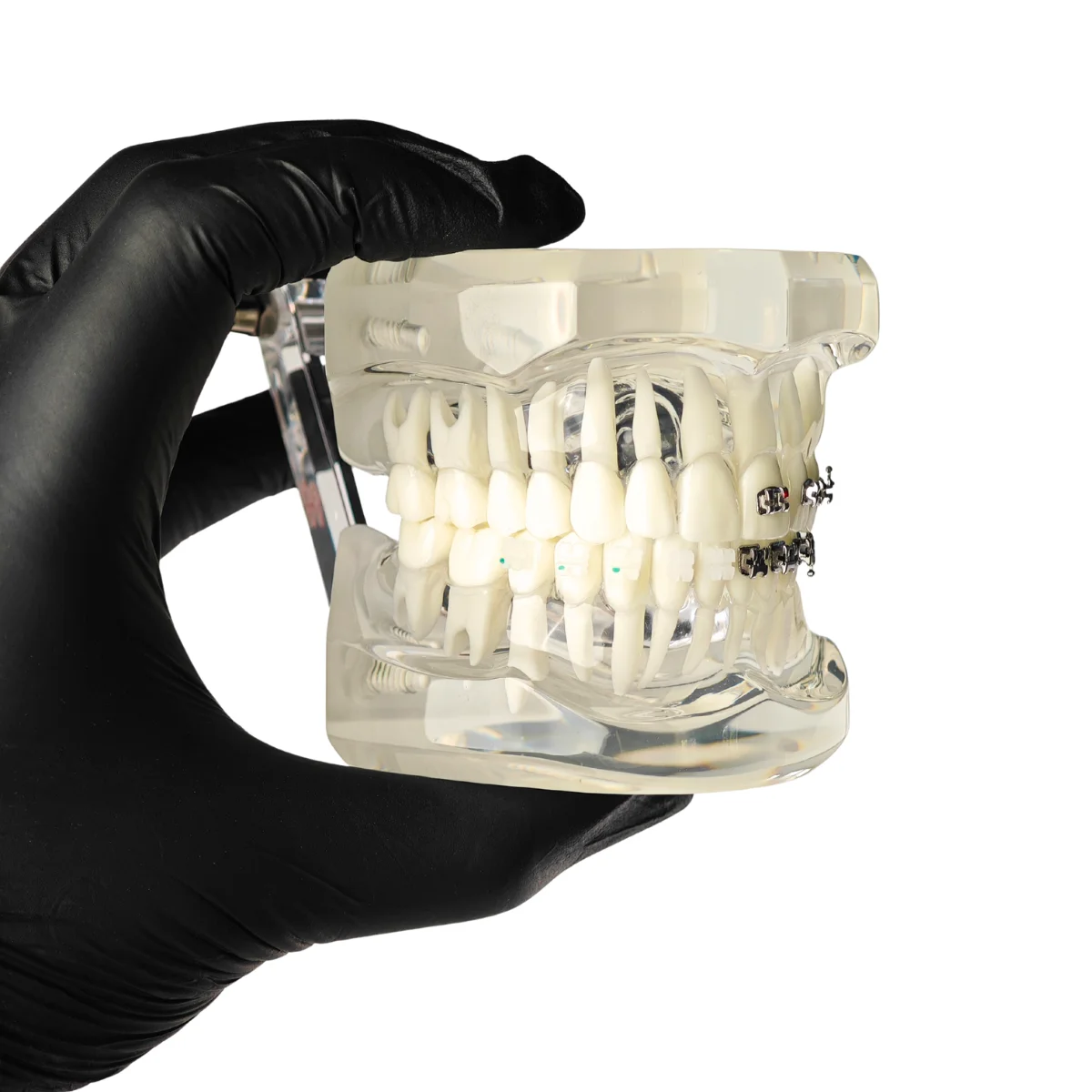
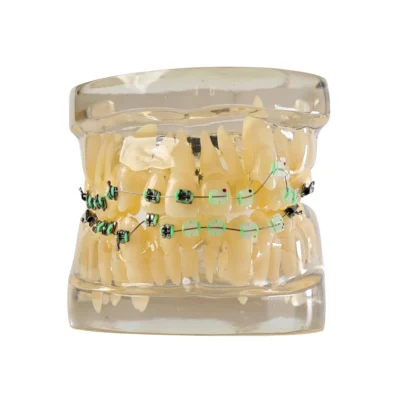
The Evodent Four in One Orthodontic Bracket Types Demonstration Model clearly shows metal, ceramic, self-ligating and lingual braces for orthodontic chairside explanation.
Shipping & Benefits
- Ships in 24 hours
- Damage-proof packaging
- GST invoice provided
Description
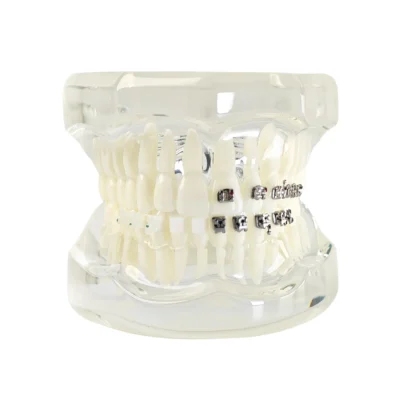
The Evodent Four in One Orthodontic Bracket Types Demonstration Model is a patient education designed to clearly show the four most commonly used orthodontic bracket systems metal, ceramic, self-ligating and lingual braces on a single dental model. It helps patients, students and clinicians visually understand how different orthodontic brackets look, how they are positioned, and how they differ from one another in real-world orthodontic treatment.
What is this Evodent Four in One Orthodontic Bracket Types Demonstration Model?
The Evodent Four in One Orthodontic Bracket Types Demonstration Model is a patient education model used to explain different types of braces in a simple, visual way. Instead of relying on charts or verbal explanations, this model allows orthodontists and educators to physically show:
- Where brackets are placed
- How bracket designs vary
- How lingual braces differ from labial systems
This makes complex orthodontic concepts easier to understand for orthodontic patients.
Bracket types shown in this model
This model demonstrates four orthodontic bracket systems side by side, making comparison intuitive and clear:
- Metal brackets: traditional stainless steel orthodontic brackets
- Ceramic brackets: tooth colored brackets commonly chosen for aesthetics
- Self-ligating brackets: brackets designed without elastic ligatures
- Lingual brackets: brackets placed on the inner (tongue-facing) surface of teeth
Seeing all four on a single model helps answer one of the most common patient questions: “What is the difference between these types of braces?”
Metal vs Ceramic vs Self-Ligating vs Lingual Braces – What’s the Difference?
Understanding the difference between metal, ceramic, self-ligating and lingual braces becomes much easier when you can see them side by side. Here is a simple explanation of how each type differs:
- Metal braces: Metal braces use stainless steel brackets placed on the front surface of the teeth. They are the most traditional and widely used orthodontic bracket system.
- Ceramic braces: Ceramic braces work in a similar way to metal braces but use tooth-colored brackets, making them less noticeable during treatment.
- Self-ligating braces: Self-ligating braces use a built-in mechanism to hold the archwire in place instead of elastic ties. This changes how the wire is secured to the bracket.
- Lingual braces: Lingual braces are placed on the inner, tongue-facing surface of the teeth, making them less visible from the front.
Seeing all four bracket types on a single model helps patients and students understand how each system looks and how bracket placement differs.
Why this model is useful for patient education?
Patients often struggle to visualize orthodontic treatments when explanations are purely verbal. This is where the Evodent Four in One Orthodontic Bracket Types Demonstration Model becomes extremely effective. It helps:
- Improve patient understanding and confidence
- Reduce confusion during orthodontic consultations
- Support clearer treatment discussions
- Make brace comparisons quick and visual
When patients can see the difference, decision-making becomes easier.
Who is this model for?
This orthodontic demonstration model is ideal for:
- Orthodontists: for chairside patient explanation
- Dental clinics: as a visual aid during consultations
- Dental colleges: for teaching orthodontic concepts
- Students: learning different orthodontic bracket systems
- Patient education setups: reception or consultation rooms
It is not intended for hands-on clinical training or procedures.
Key features at a glance
- Demonstrates four orthodontic bracket types on one model
- Clear visualization of labial vs lingual bracket placement
- Durable, transparent base for easy viewing
- Realistic tooth and bracket positioning
- Designed specifically for explanation and demonstration
How this model is commonly used
The Evodent Four in One Orthodontic Bracket Types Demonstration Model is commonly used to:
- Explain brace options to patients
- Compare metal, ceramic, self-ligating, and lingual braces
- Support orthodontic treatment discussions
- Enhance communication between doctor and patient
It acts as a physical reference point during conversations.
Technical Specifications
- Product Type: Orthodontic bracket types demonstration model
- Purpose: Patient education and orthodontic explanation
- Bracket Systems Displayed: Metal brackets, Ceramic brackets, Self-ligating brackets, Lingual brackets
- Use Case: Chairside patient education
- Designed For: Clinics & orthodontic centers
- Arch type: Full Arch
- Note: Color may vary
FAQs – Evodent Four in One Orthodontic Bracket Types Demonstration Model
Q. Which orthodontic bracket types are shown in this model?
A. This model shows metal brackets, ceramic brackets, self-ligating brackets and lingual brackets on a single dental model.
Q. Is this model meant for orthodontic training or procedures?
A. No, this is not a training or clinical practice model. It is designed only for demonstration and patient explanation.
Q. Can this model be used for chairside patient explanation?
A. Yes, it is ideal for chairside consultations to help patients understand different orthodontic brace options.
Q. Does this model show the difference between labial and lingual braces?
A. Yes, the model clearly demonstrates labial brackets on the front surface of teeth and lingual brackets on the inner surface.
Q. Are the brackets removable or adjustable?
A. No, the brackets are fixed in place and meant only for visual demonstration.
Q. Can this model help patients choose between different types of braces?
A. Yes. It allows patients to visually compare different orthodontic bracket types, making discussions clearer and decisions easier.
You may also like…
-
Sale!
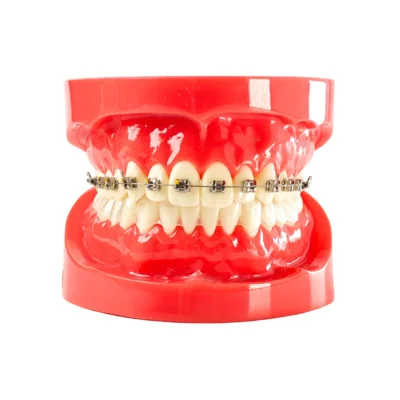
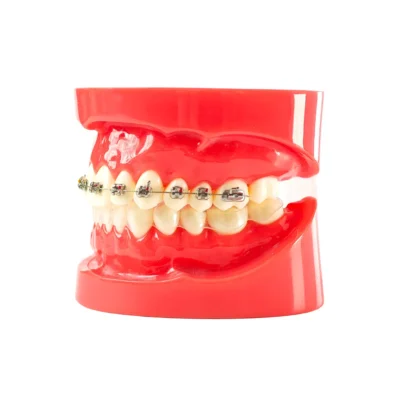
Evodent Orthodontic Braces vs Aligners Comparison Model for Patient Education (Fixed Appliances vs Clear Aligners)
Original price was: ₹5,000.00.₹2,795.00Current price is: ₹2,795.00. -
Sale!
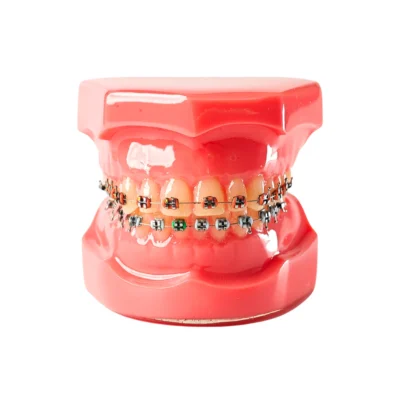
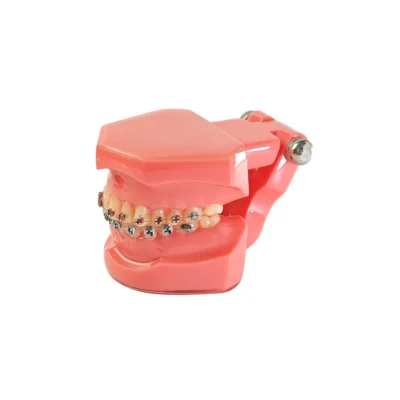
Evodent Orthodontic Model with Metal Bracket
Original price was: ₹6,000.00.₹2,995.00Current price is: ₹2,995.00. -
Sale!
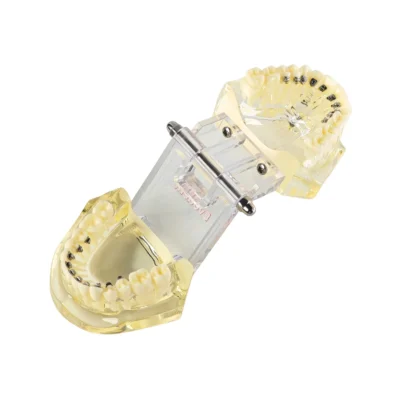
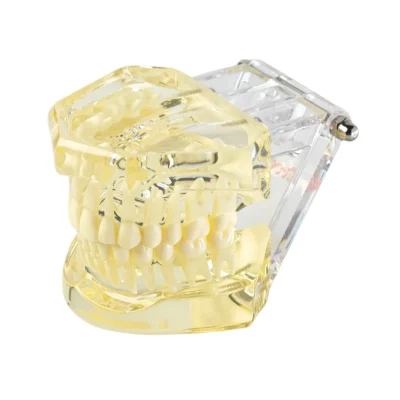
Evodent Lingual Braces Orthodontic Model – Lingual Orthodontic Demonstration Model for Patient Education
Original price was: ₹10,000.00.₹3,495.00Current price is: ₹3,495.00. -
Sale!
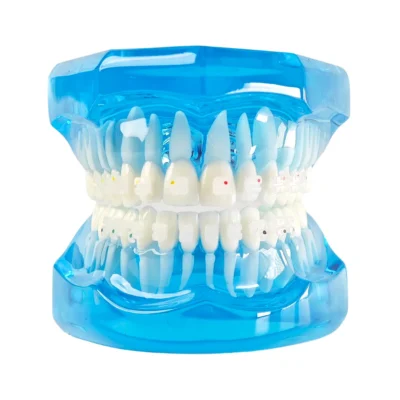
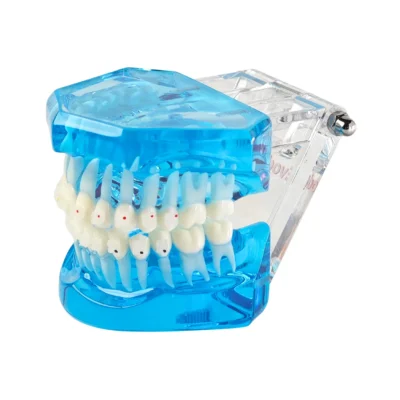
Evodent Orthodontic Model with Ceramic Brackets for Patient Education Model
Original price was: ₹5,000.00.₹2,495.00Current price is: ₹2,495.00.
Related products
-
Sale!
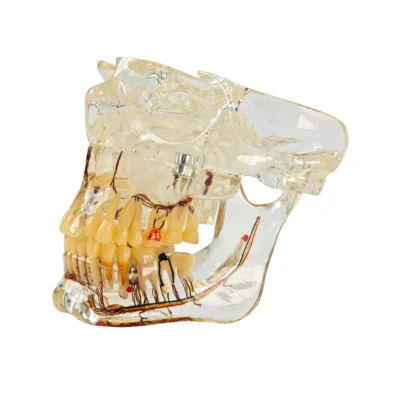
Evodent Signature Orthognathic and Osteology Model for TMJ Anatomy, Jaw Movement and Maxillofacial Relationship Demonstration
Original price was: ₹25,000.00.₹15,990.00Current price is: ₹15,990.00. -
Sale!
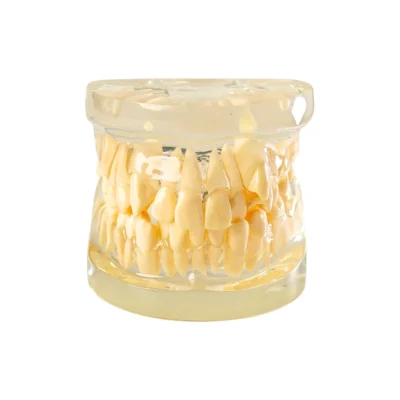
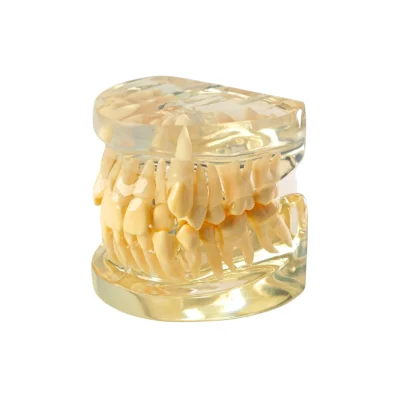
Evodent Class I Malocclusion Dental Model – Orthodontic Occlusion Demonstration Model for Patient Education
Original price was: ₹5,000.00.₹2,775.00Current price is: ₹2,775.00. -
Sale!
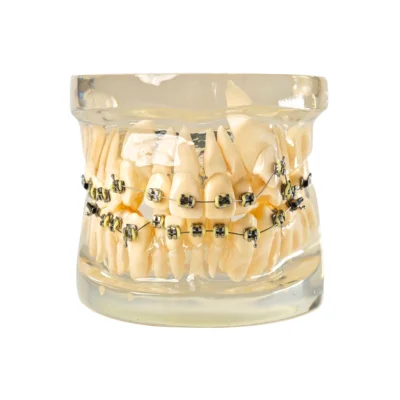
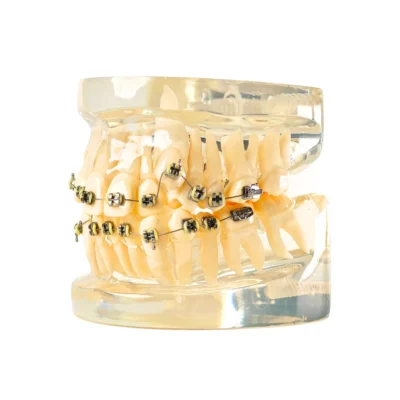
Evodent Signature Dental Malocculation Model with Metal Bracket, Patient Education Model
Original price was: ₹6,000.00.₹3,495.00Current price is: ₹3,495.00. -
Sale!
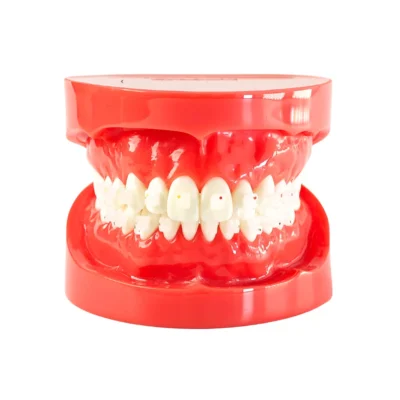
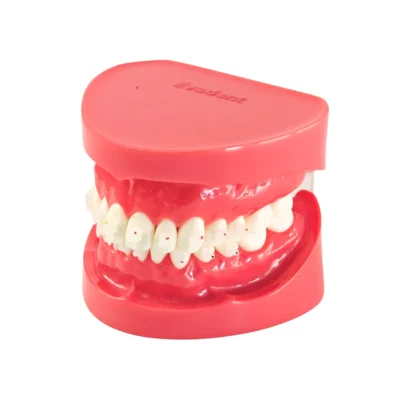
Evodent Orthodontic Model with Ceramic Bracket
Original price was: ₹4,000.00.₹1,995.00Current price is: ₹1,995.00.