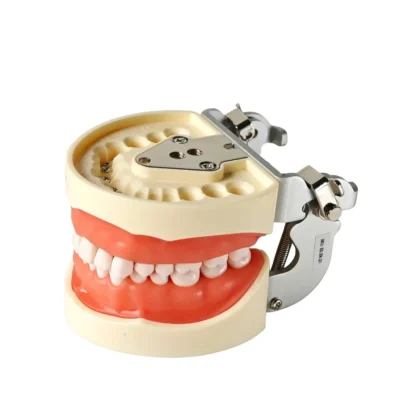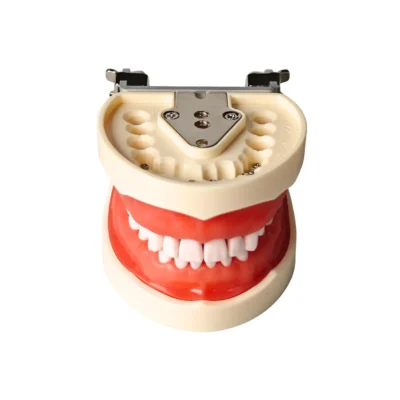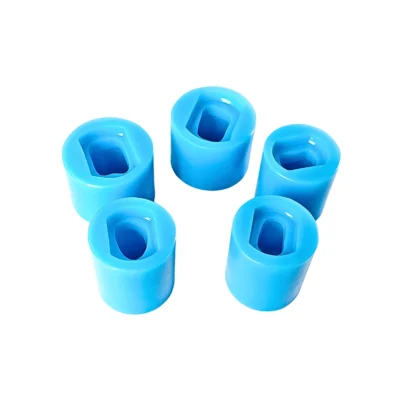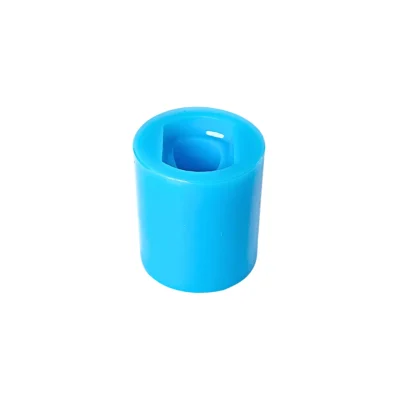
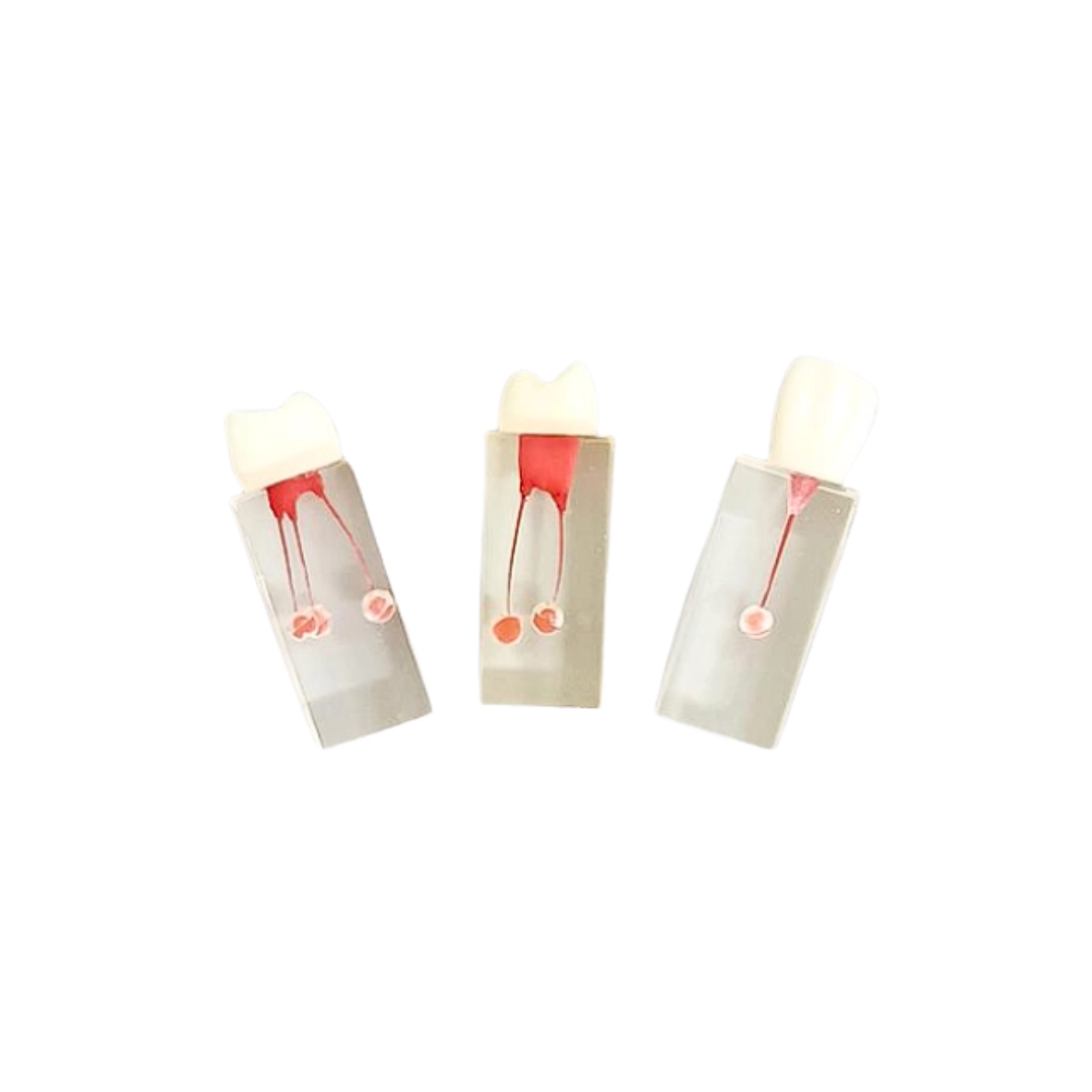
Evodent Endodontic Training Model with Crown for Root Canal Practice, Tooth 21, 24 and 26
Original price was: ₹500.00 INR.₹245.00 INRCurrent price is: ₹245.00 INR.
Evodent endodontic training model with crown for root canal access, pulp chamber location and student practice. Available in tooth 21, 24 and 26.
Out of stock
Shipping & Benefits
- International shipping available
- Tracking details shared by email
- Trusted by dental professionals worldwide
Description
Evodent Endodontic Training Model with Crown is used for root canal access practice, pulp chamber location and endodontic skill training. It helps students practice how access changes when a crown or full coronal anatomy is present, which is a common difficulty in real endodontic work.
This model is available in tooth numbers 21, 24 and 26. That gives dental colleges, workshops and students a choice between anterior, premolar and molar-style access practice instead of using the same tooth form for every exercise.
What This Evodent Endodontic Training Model Is Used For
This model is used when students need to practice endodontic access through a crown before moving into chamber location, canal scouting and instrumentation.
- Crown access practice: Helps students open through crown anatomy with better depth and direction control.
- Root canal training: Useful for access opening, canal entry and file progression.
- Pulp chamber location: Helps students understand how to approach the chamber without overcutting.
- Tooth-specific training: Tooth 21, 24 and 26 allow different access exercises.
- Teaching and demonstration: Useful for faculty-led endodontic sessions.
Available Tooth Numbers
This model is available in three tooth options. Select the tooth based on the access exercise and the level of the student group.
- Tooth 21: Useful for anterior access, straight-line entry and basic chamber orientation.
- Tooth 24: Useful for premolar-style access, canal orientation and intermediate endodontic practice.
- Tooth 26: Useful for molar access, visibility, entry control and more demanding root canal practice.
Why a Crown-Based Endodontic Model Is Useful
Students often learn access opening on simple models first. This crown-based model adds a more realistic challenge because the student must judge entry, depth and direction through coronal anatomy before reaching the chamber.
- Closer to clinical training needs: Crown access is a common challenge in endodontics.
- Better bur control: Helps students learn controlled entry instead of aggressive cutting.
- Depth awareness: Helps students understand when to stop and reassess the access path.
- Useful mistake review: Faculty can discuss access shape, direction and chamber location after practice.
For Dental Colleges
Dental colleges can use this model for endodontic access training, root canal demonstrations and student assessment exercises. The tooth options help faculty assign different access challenges to different batches or skill levels.
- Useful for conservative dentistry and endodontic departments.
- Suitable for access opening demonstrations.
- Helps standardize practice exercises across student groups.
- Works well for teaching anterior, premolar and molar access differences.
For Students
Students can use this model for repeated root canal access practice outside regular lab sessions. It is a good next step after basic access models because it teaches how to approach the chamber through crown anatomy.
- Useful for improving hand control and bur angulation.
- Helps build confidence before extracted teeth or clinical cases.
- Allows practice on tooth 21, 24 or 26 depending on the required exercise.
- Good for personal endodontic practice and revision.
For Workshops and Demonstrations
This model is also useful for endodontic workshops where participants need a simple, repeatable tooth model for crown access and canal entry practice. Trainers can use it to explain common mistakes before moving to more advanced models.
- Suitable for hands-on access opening courses.
- Useful for showing access direction and entry errors.
- Practical for short sessions where every participant needs the same exercise.
Skills Students Can Practice
- Crown penetration and access opening
- Pulp chamber location
- Working length awareness
- Canal scouting and negotiation
- Hand file progression
- Bur angulation and entry control
- Access shape review and correction
How to Use This Model
Use the model on a stable training station or faculty demonstration setup. Select the required tooth number based on the exercise.
- Select tooth 21, 24 or 26 depending on the training goal.
- Inspect the crown anatomy before access preparation.
- Begin controlled access opening using the planned bur sequence.
- Locate the pulp chamber and establish canal entry.
- Continue with canal scouting and instrumentation as planned.
- Review access shape, direction and file progression after the exercise.
Technical Specifications
- Product type: Endodontic training model with crown
- Primary use: Root canal access and instrumentation training
- Training focus: Crown access, pulp chamber location, canal entry and file progression
- Available tooth numbers: 21, 24 and 26
- Tooth 21 use: Anterior access and straight-line entry practice
- Tooth 24 use: Premolar access and canal orientation practice
- Tooth 26 use: Molar access, visibility and advanced entry control
- Recommended for: Dental students, dental colleges, workshops and endodontic departments
- Use setting: Student practice, faculty demonstration, workshop or teaching lab
- Training value: Helps learners practice access through crown anatomy before canal instrumentation
FAQs – Evodent Endodontic Training Model with Crown
Q. What is the Evodent Endodontic Training Model with Crown used for?
A. It is used for crown-based root canal access, pulp chamber location, canal entry and endodontic student training.
Q. Which tooth numbers are available?
A. This model is available in tooth numbers 21, 24 and 26.
Q. Why is a crown-based endodontic model useful?
A. It helps students practice access through crown anatomy, which makes the exercise more realistic than a simple open-access training tooth.
Q. Is this suitable for dental colleges?
A. Yes. Dental colleges can use it for endodontic access training, student exercises, faculty demonstrations and batch-based practice.
Q. Can this model be used in workshops?
A. Yes. It is useful for hands-on endodontic workshops where participants need to practice crown access, chamber location and canal entry.
Q. Can students use this for personal practice?
A. Yes. Students can use it for repeated access preparation, pulp chamber orientation, canal scouting and file progression practice.
Q. What is the difference between tooth 21, 24 and 26?
A. Tooth 21 is useful for anterior access, tooth 24 is useful for premolar-style access and tooth 26 is useful for molar access and more demanding visibility control.
You may also like…
- Sale!

Evodent Root Canal Training Block with Crown, Endodontic Tooth Model – 14, 21, 26, Clear Resin Canal Anatomy for RCT Practice – 14
Original price was: ₹700.00 INR.₹295.00 INRCurrent price is: ₹295.00 INR. - Sale!
Evodent Cavity Preparation Practice Teeth, Natural Tooth Simulation, Pack of 4
Original price was: ₹6,000.00 INR.₹3,495.00 INRCurrent price is: ₹3,495.00 INR. - Sale!
Evodent Anatomical Dental Tooth Model with Root & Pulp, Individual Tooth
Original price was: ₹500.00 INR.₹295.00 INRCurrent price is: ₹295.00 INR. - Sale!
Evodent Root Canal Curvature Training Blocks (Pack of 3) – Straight, Moderate & Severe Curved Canal Models for Endodontic Practice
Original price was: ₹2,000.00 INR.₹995.00 INRCurrent price is: ₹995.00 INR.
Related products
- Sale!
Evodent 200 PRO SG TN Dental Typodont Model with Tooth Number – 32 Teeth, Soft Gingiva, Nissin 200 Compatible Training Typodont
Original price was: ₹5,000.00 INR.₹2,500.00 INRCurrent price is: ₹2,500.00 INR. - Sale!
Evodent FE Articulator for 200 PRO HG / SG and 200 CORE HG / SG Models
Original price was: ₹1,000.00 INR.₹495.00 INRCurrent price is: ₹495.00 INR. - Sale!
Evodent Six Times Silicone Mold for Crown and Plaster Cast Making – Teeth 11, 13, 14, 15, 16, 17
Original price was: ₹3,000.00 INR.₹1,995.00 INRCurrent price is: ₹1,995.00 INR. - Sale!
Evodent Primary Teeth with Apex for Orthodontic Practice, Pediatric Dental Training Teeth Set, Pedodontic Dentition Model for Patient Education
Original price was: ₹8,000.00 INR.₹1,995.00 INRCurrent price is: ₹1,995.00 INR.