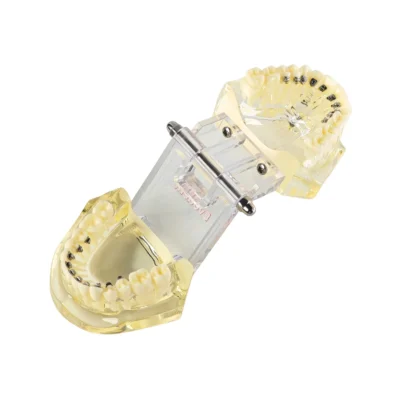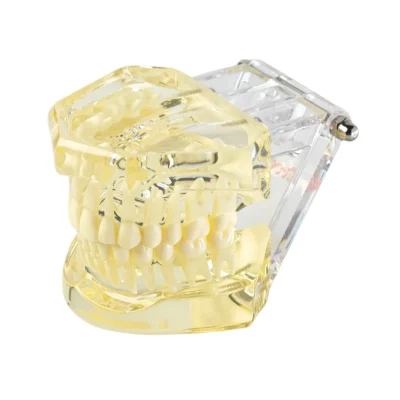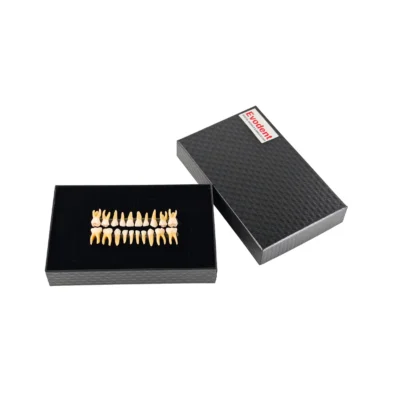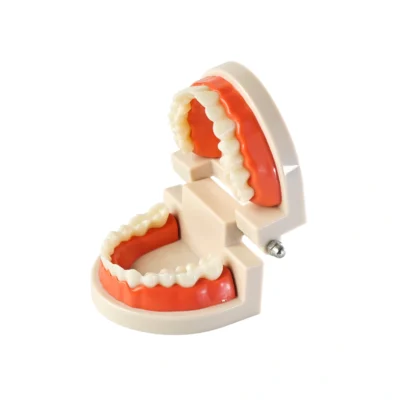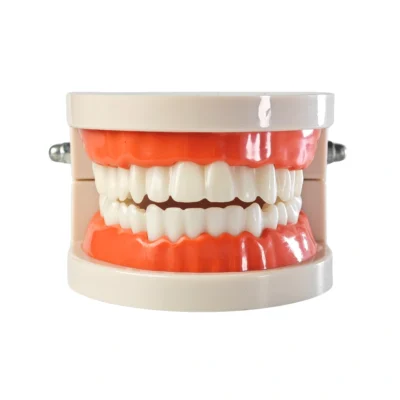
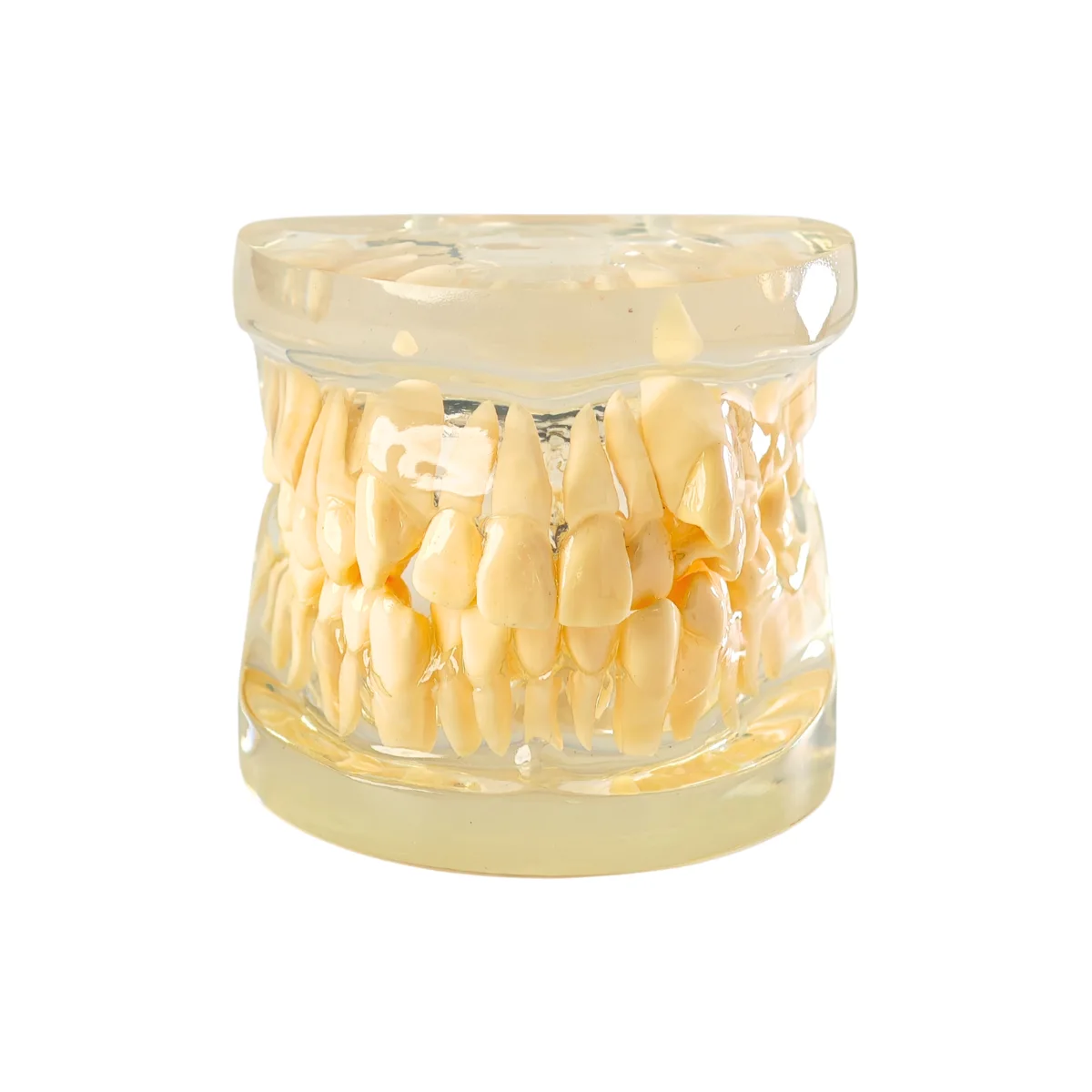
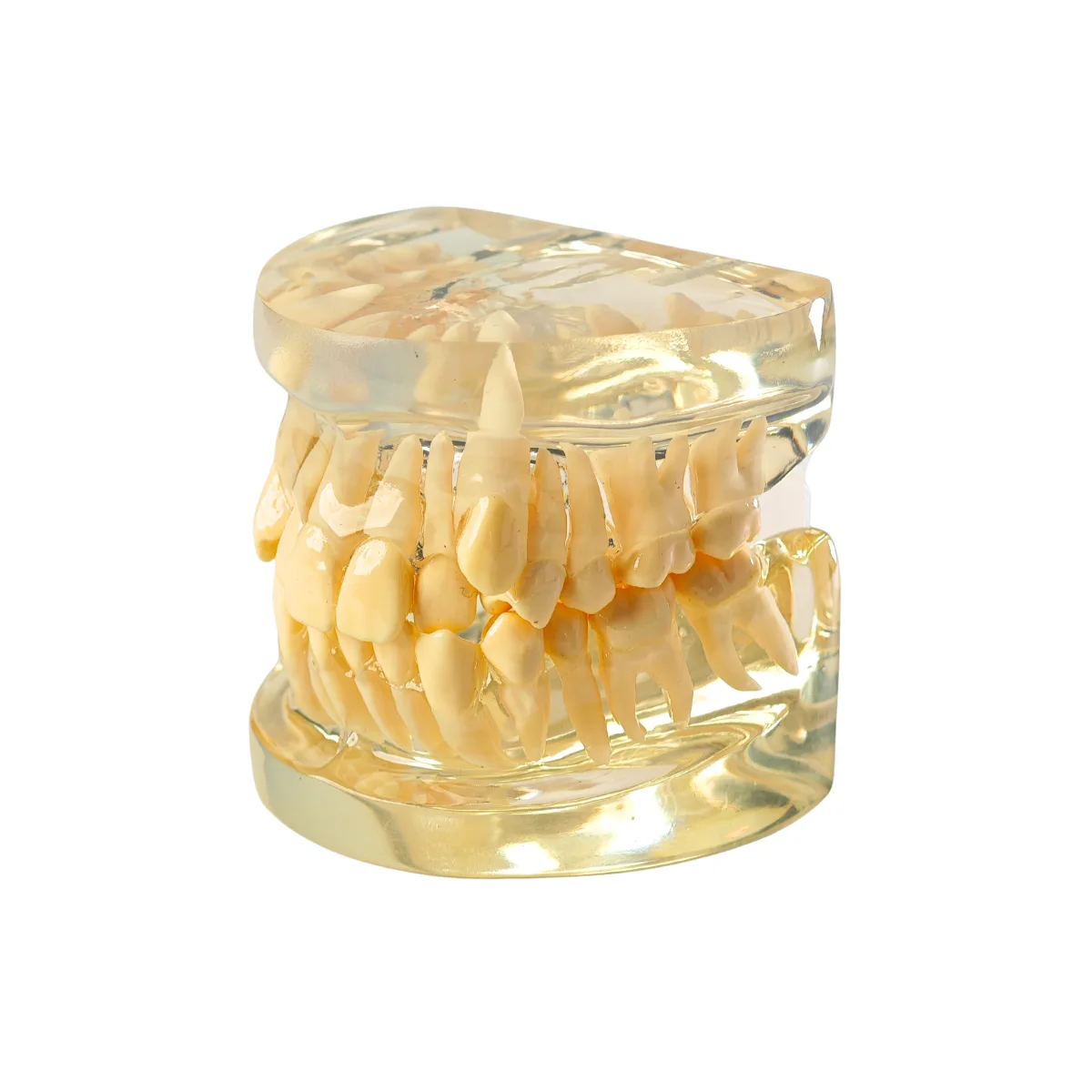
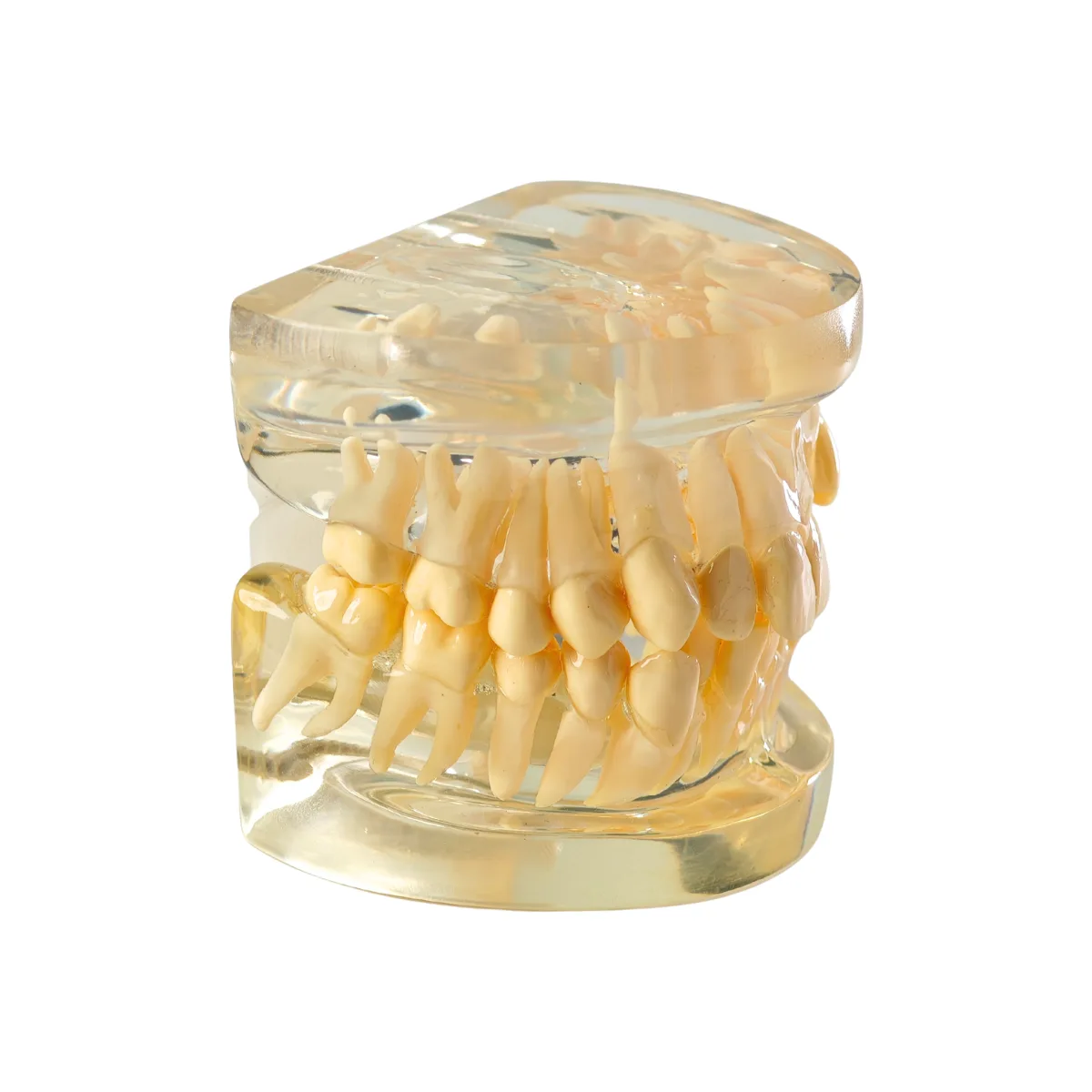
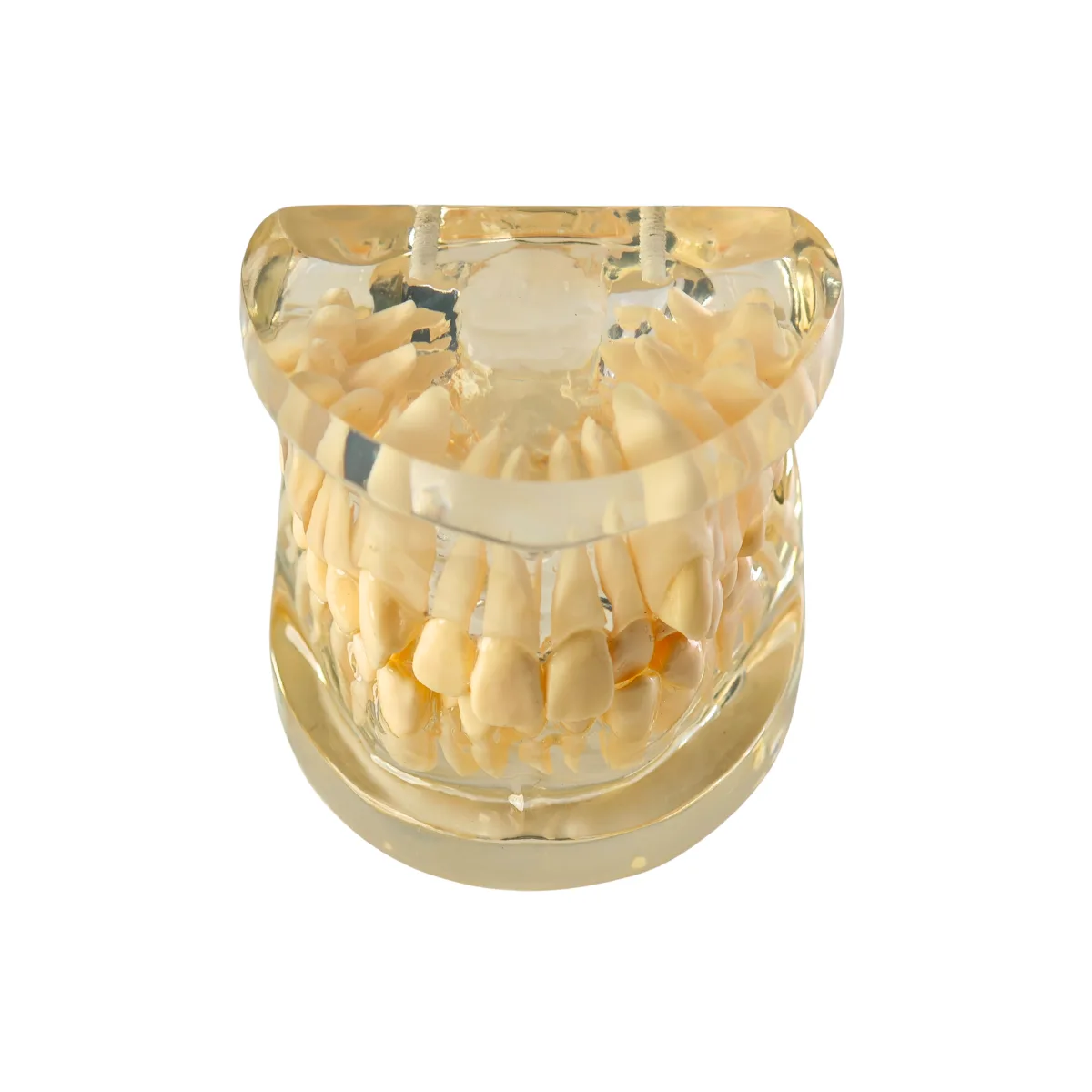
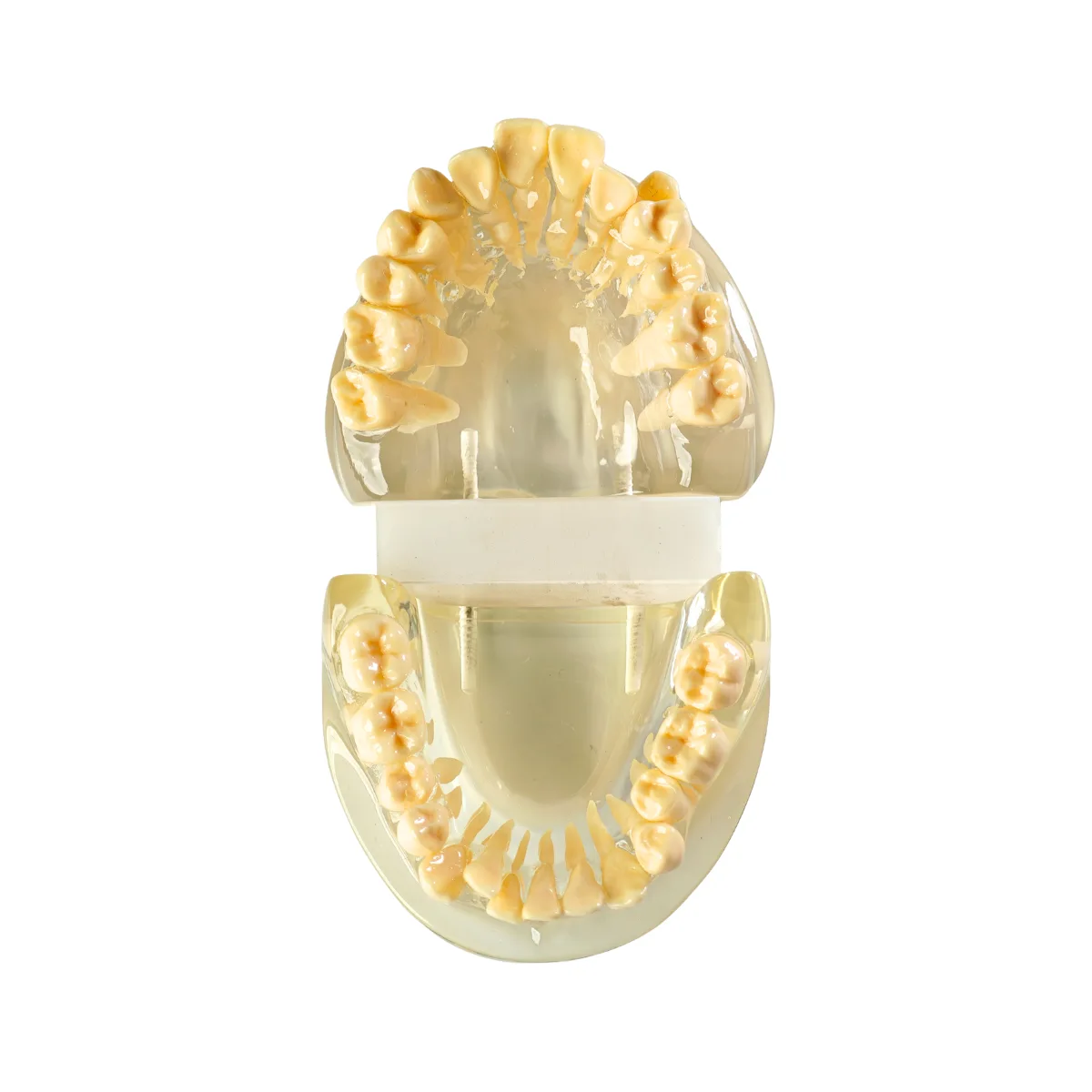
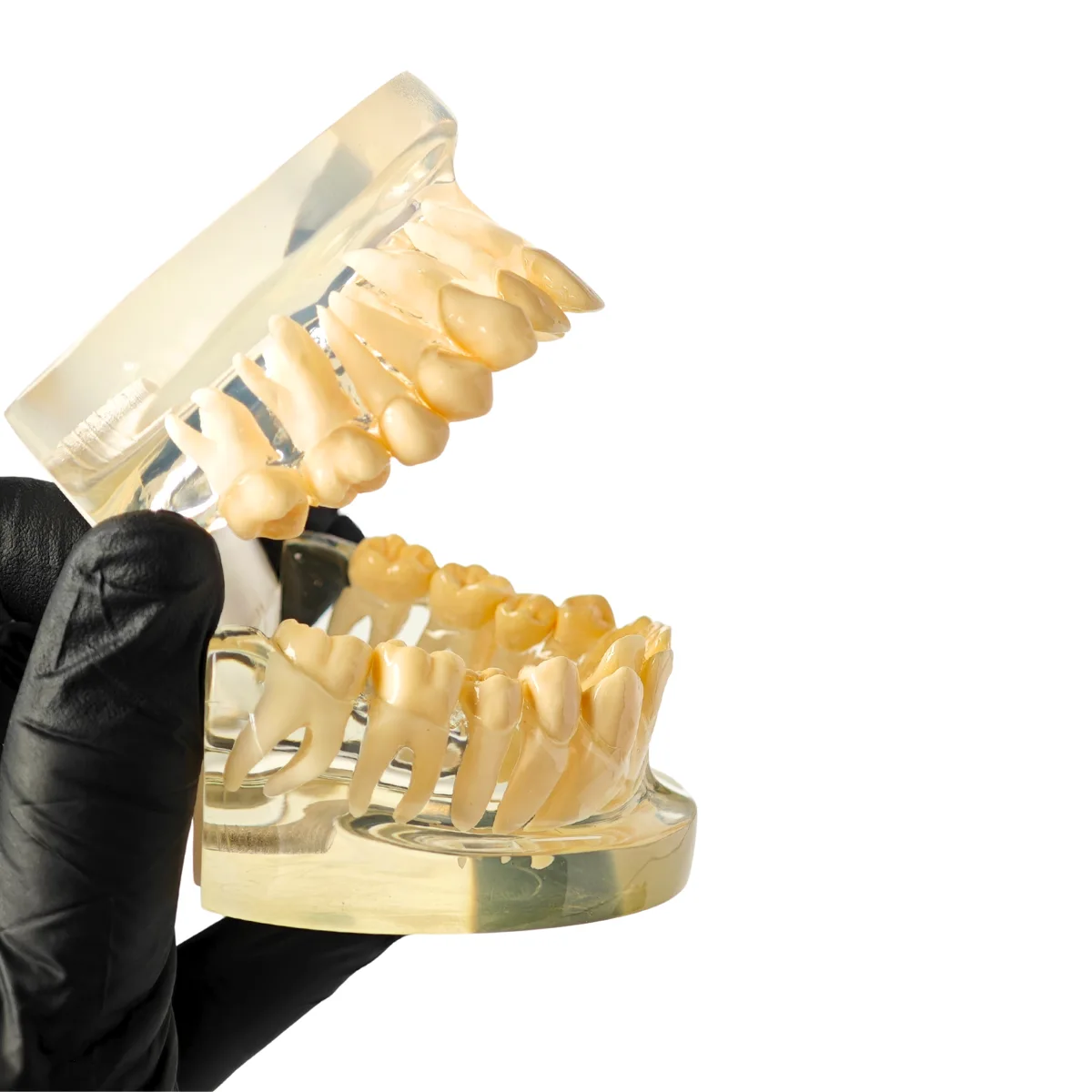
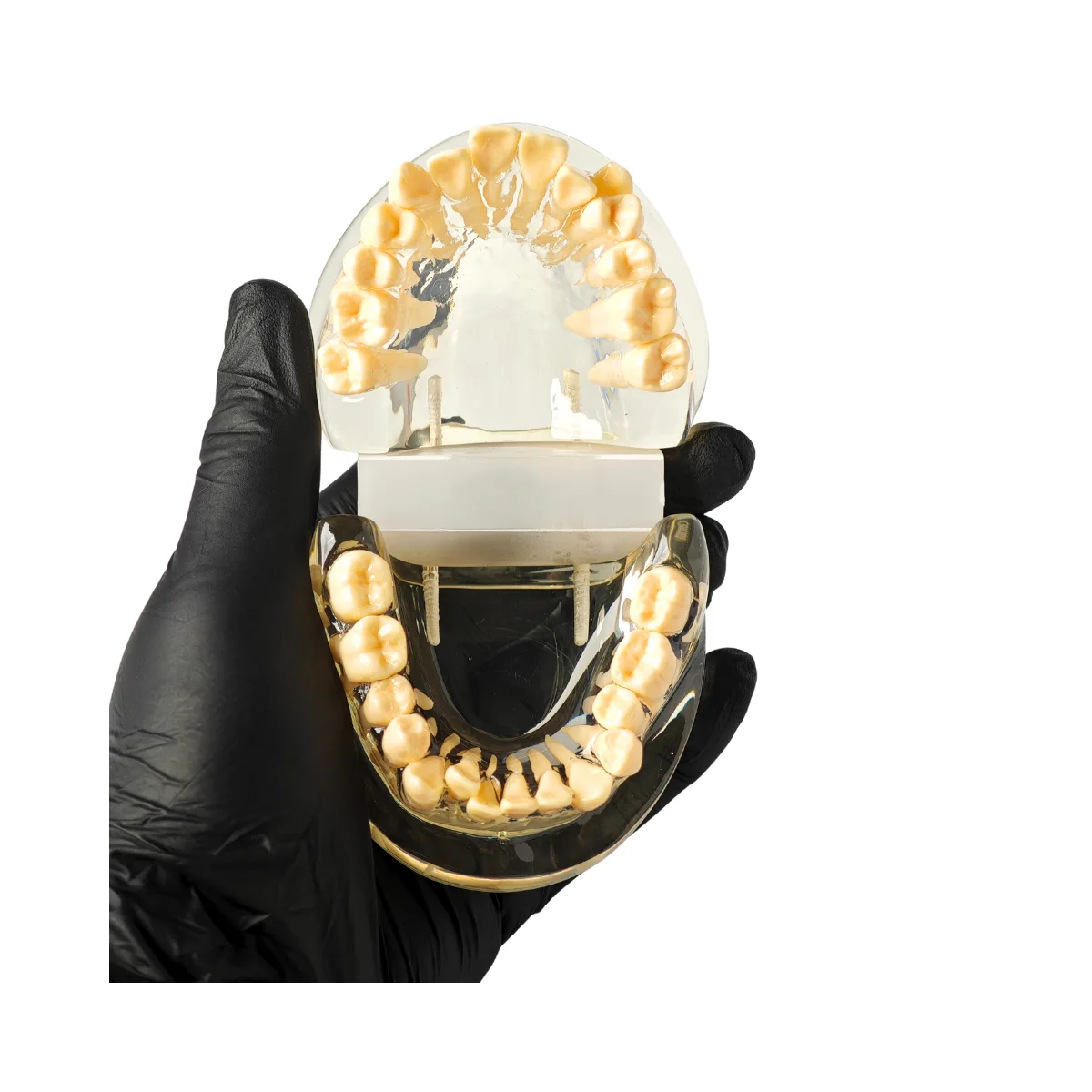
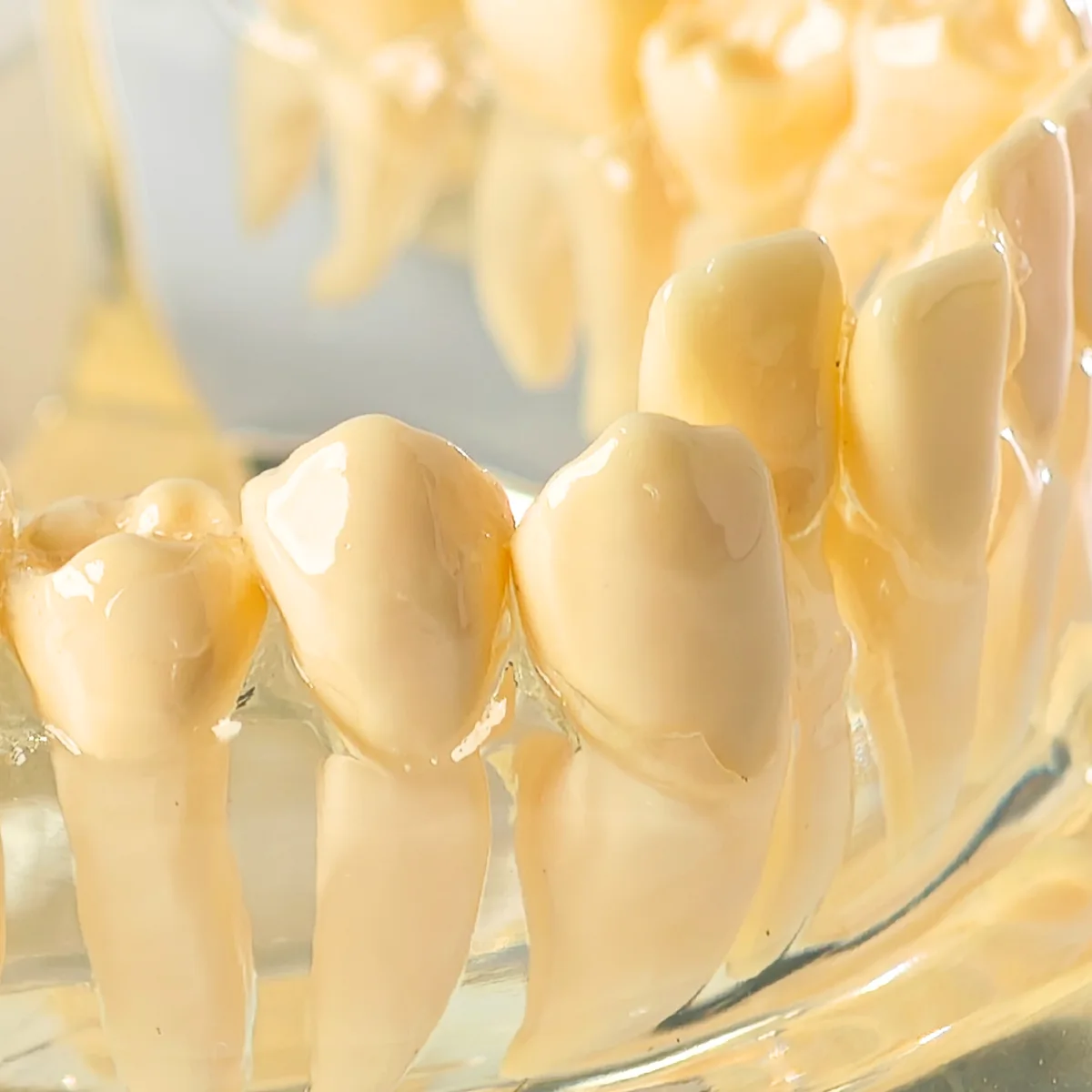
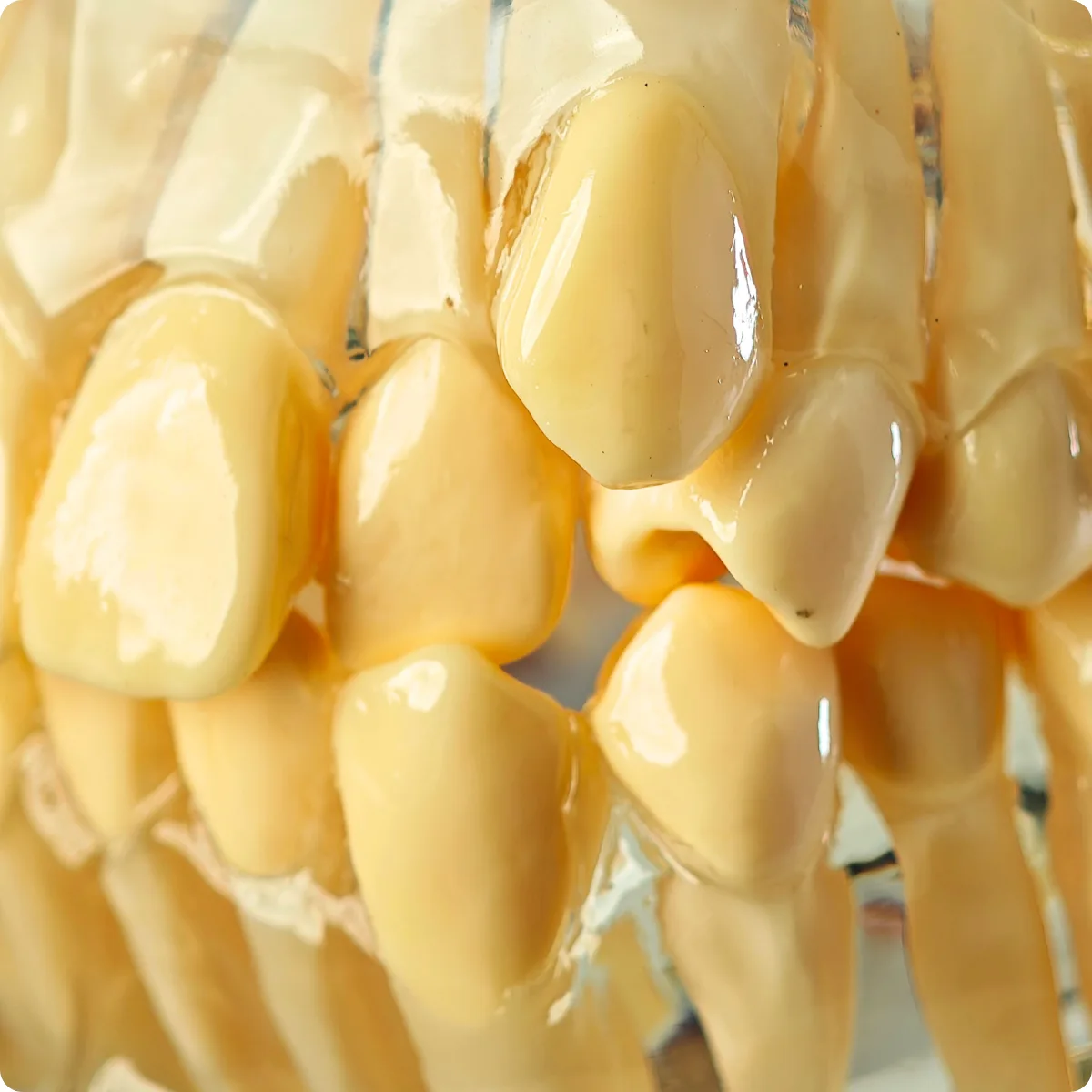
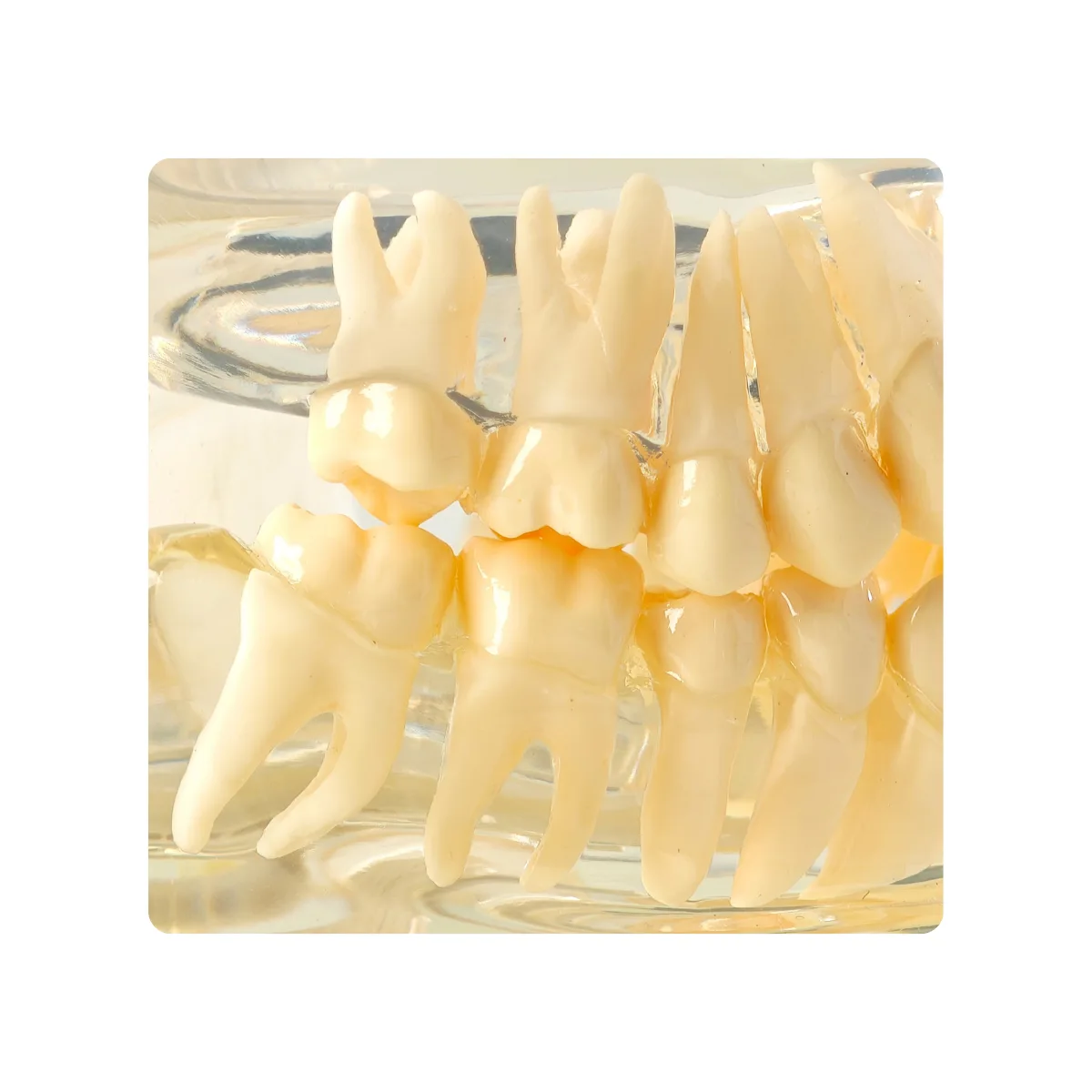
Evodent Class I Malocclusion Dental Model ? Orthodontic Occlusion Demonstration Model for Patient Education
Original price was: ₹5,000.00 INR.₹2,775.00 INRCurrent price is: ₹2,775.00 INR.
Out of stock
Shipping & Benefits
- International shipping available
- Tracking details shared by email
- Trusted by dental professionals worldwide
Description
Explaining bite problems to patients can sometimes be surprisingly difficult. Terms like malocclusion, bite relationship, and tooth alignment don’t mean much until patients can actually see what’s happening inside the mouth. That’s exactly where the Evodent Class I Malocclusion Orthodontic Model becomes incredibly useful.
This realistic dental model clearly demonstrates a Class I malocclusion bite relationship, allowing dentists to visually explain how teeth align, how bite relationships work and why orthodontic treatment may sometimes be necessary. Instead of relying only on verbal explanations, dentists can use this orthodontic model to show patients exactly how teeth and jaws relate to each other.
Because the model is transparent, both the external tooth alignment and internal tooth structure are visible, making it a powerful chairside teaching tool. Whether used during patient consultations, orthodontic treatment discussions or dental education sessions, this dental malocclusion model helps transform complex dental concepts into clear visual explanations.
What Is a Class I Malocclusion?
In orthodontics, Class I malocclusion refers to a bite relationship where the upper and lower molars align normally, but there may still be issues with tooth positioning such as crowding, spacing or rotations. Although the jaw relationship is considered normal, the alignment of individual teeth may require orthodontic correction.
A Class I malocclusion orthodontic model helps dentists demonstrate:
- How teeth align within the dental arch
- How upper and lower teeth meet during biting
- Common tooth positioning problems
- The difference between normal occlusion and malocclusion
By visually presenting these concepts, patients can easily understand why orthodontic evaluation may be recommended.
What This Orthodontic Malocclusion Model Demonstrates?
The Evodent Class I Malocclusion Dental Model provides a clear visual representation of tooth arrangement and bite relationships. This orthodontic demonstration model shows:
- Eealistic permanent teeth anatomy
- Class I malocclusion alignment pattern
- Upper and lower jaw relationship
- Tooth positioning within the dental arch
- Natural occlusal contact between teeth
Because the model is designed with clear material, the structure of the teeth and surrounding anatomy remains visible from multiple angles. This allows dentists to rotate the model and demonstrate dental concepts more effectively during patient consultations.
Why Dentists Use Malocclusion Demonstration Models
Orthodontic concepts can be difficult for patients to visualize. Even with diagrams or X-rays, many people struggle to understand how teeth actually fit together. A dental malocclusion model helps bridge that gap. Dentists commonly use orthodontic models to:
- Explain bite alignment and occlusion
- Demonstrate tooth crowding or spacing
- Discuss orthodontic treatment planning
- Educate patients about oral anatomy
- Improve communication during consultations
When patients can see the problem clearly, they are more likely to understand the diagnosis and treatment recommendations.
Realistic Dental Anatomy for Clear Demonstration
The Evodent orthodontic model is designed to replicate the natural structure of teeth and dental arches. The teeth are anatomically shaped and arranged in a realistic dental arch, allowing clinicians to demonstrate natural occlusion patterns and malocclusion characteristics. Because the model represents the entire dentition, dentists can easily explain the relationship between:
- Incisors
- Canines
- Premolars
- Molars
This makes it an excellent teaching aid for both dentists and patients.
Transparent Design for Better Visualization
One of the most useful features of this dental occlusion model is its clear transparent construction. The transparent design allows viewers to see the positioning of teeth from multiple angles, providing a deeper understanding of how teeth are arranged within the jaw. This clarity makes the model particularly effective for:
- Chairside patient education
- Orthodontic consultations
- Dental training environments
- Oral health awareness demonstrations
Who Should Use This Orthodontic Model?
This Class I malocclusion orthodontic model is ideal for:
- Dental clinics
- Orthodontic practices
- Patient education consultations
- Dental training institutes
- Oral health education programs
Because the model is compact and easy to handle, it can be comfortably used during everyday dental consultations.
Technical Specifications
- Product Name: Evodent Class I Malocclusion Orthodontic Model
- Product Type: Dental malocclusion demonstration model
- Primary Use: Orthodontic patient education and bite demonstration
- Dentition: Full permanent dentition
- Bite Representation: Class I malocclusion occlusion pattern
- Material: Transparent dental simulation polymer
- Design: Clear anatomical dental model
- Usage Environment: Dental clinics, orthodontic consultations, teaching demonstrations
FAQs – Class I Malocclusion Orthodontic Model
Q. What is a Class I malocclusion model?
A. A Class I malocclusion model is a dental demonstration model used by dentists to explain tooth alignment and bite relationships where the molars align normally but tooth positioning may be irregular.
Q. Why do dentists use orthodontic models?
A. Dentists use orthodontic models to visually explain bite alignment, malocclusion, and orthodontic treatment concepts to patients during consultations.
Q. What does a malocclusion dental model show?
A. A malocclusion dental model shows how teeth align within the jaw and how upper and lower teeth meet during biting.
Q. Can orthodontic models help patients understand treatment?
A. Yes. Orthodontic models make it easier for patients to understand bite problems and why orthodontic treatment may be recommended.
Q. Where are dental malocclusion models used?
A. Dental malocclusion models are commonly used in dental clinics, orthodontic practices, and educational settings to demonstrate bite alignment and tooth positioning.
You may also like…
- Sale!

Evodent Orthodontic Braces vs Aligners Comparison Model for Patient Education (Fixed Appliances vs Clear Aligners)
Original price was: ₹5,000.00 INR.₹2,995.00 INRCurrent price is: ₹2,995.00 INR. - Sale!
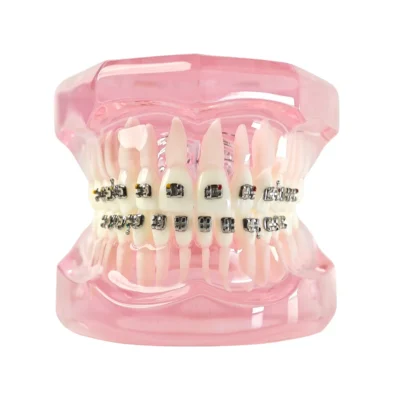
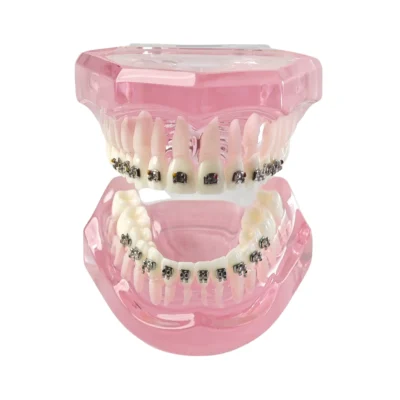
Evodent Orthodontic Patient Education Model with Metal Braces – Pink for Treatment Explanation
Original price was: ₹5,000.00 INR.₹2,495.00 INRCurrent price is: ₹2,495.00 INR. - Sale!
Evodent Metal vs Ceramic Brackets Comparison Model for Patient Education, Orthodontic Model with Half Meta and Half Ceramic Brackets
Original price was: ₹4,000.00 INR.₹2,495.00 INRCurrent price is: ₹2,495.00 INR. - Sale!
Evodent Orthodontic Model with Ceramic Brackets for Patient Education Model
Original price was: ₹5,000.00 INR.₹2,495.00 INRCurrent price is: ₹2,495.00 INR. - Sale!
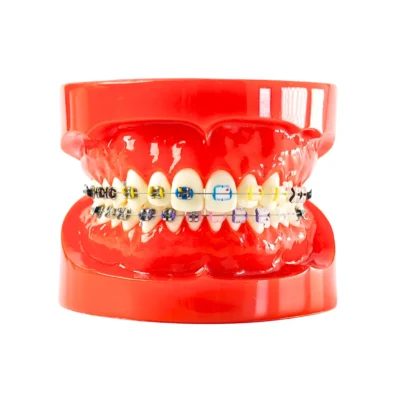
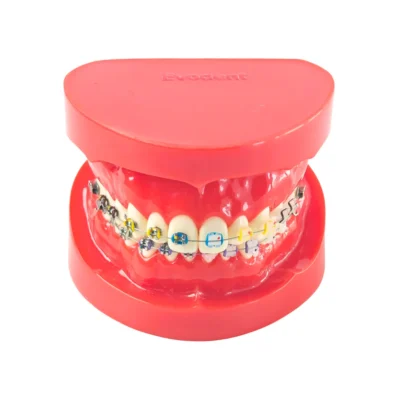
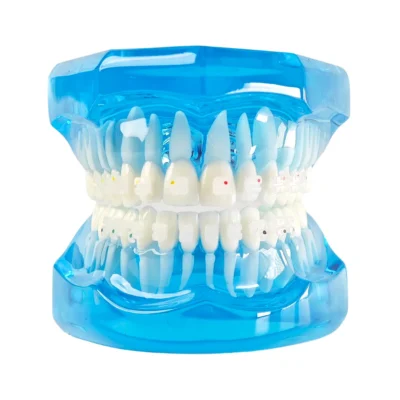
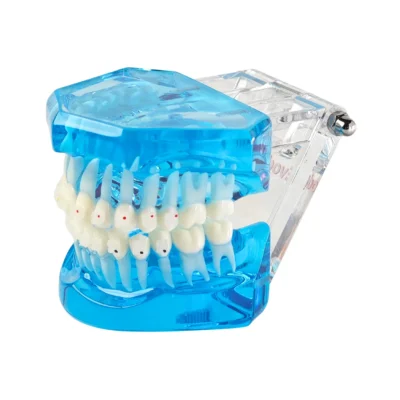
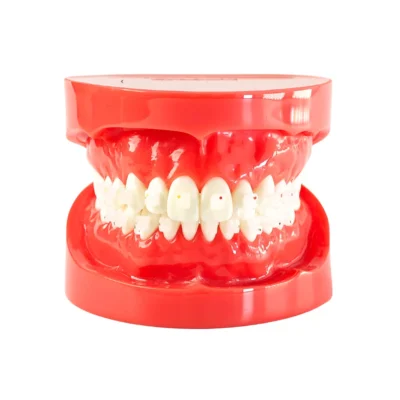
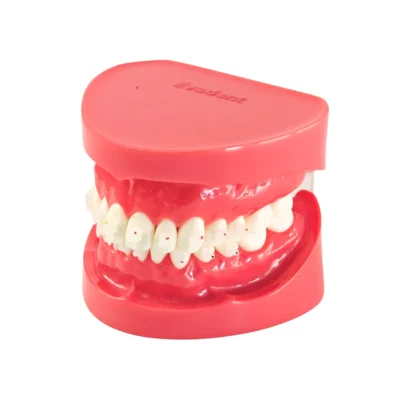
Evodent Orthodontic Model with Ceramic Bracket, Dental Braces Demonstration Model for Patient Education and Orthodontic Consultation, Red
Original price was: ₹4,000.00 INR.₹1,995.00 INRCurrent price is: ₹1,995.00 INR.
Related products
- Sale!
Evodent Lingual Bracket Orthodontic Model Lingual Orthodontic Demonstration Model for Patient Education
Original price was: ₹10,000.00 INR.₹3,495.00 INRCurrent price is: ₹3,495.00 INR. - Sale!
Evodent Orthodontic Model with Metal Braces with Colorful Ligatures, Patient Education Typodont
Original price was: ₹2,000.00 INR.₹999.00 INRCurrent price is: ₹999.00 INR. - Sale!
Evodent Primary Teeth with Apex for Orthodontic Practice, Pediatric Dental Training Teeth Set, Pedodontic Dentition Model for Patient Education
Original price was: ₹8,000.00 INR.₹1,995.00 INRCurrent price is: ₹1,995.00 INR. - Sale!
Evodent Ideal Dental Model, For Patient Education – Full Mouth Demonstration Model
Original price was: ₹750.00 INR.₹299.00 INRCurrent price is: ₹299.00 INR.